All posts tagged: Rental LED display
The hardest part of starting up is starting out
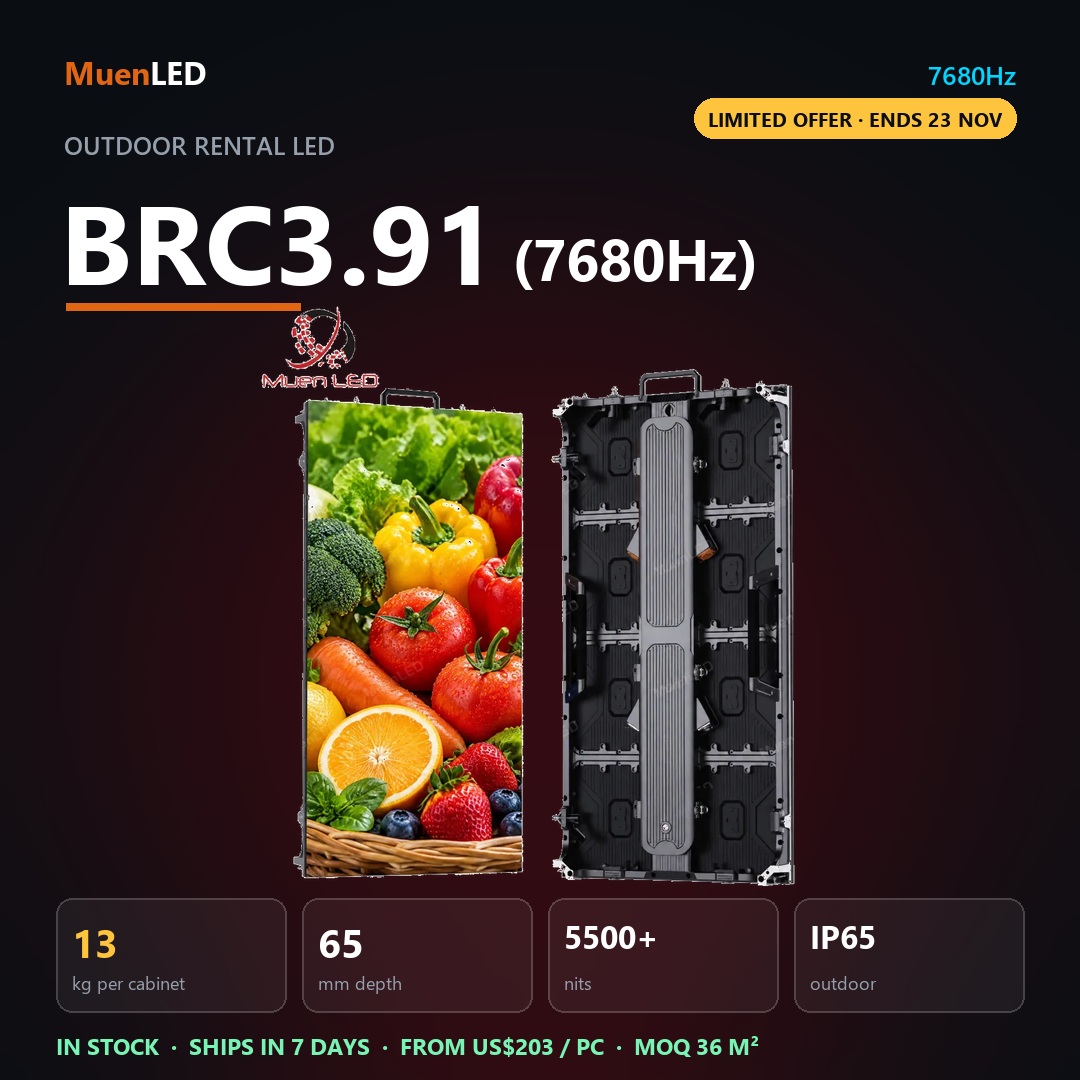
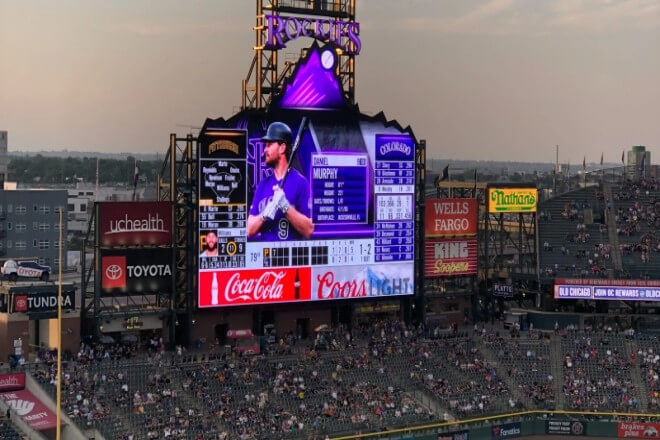
ARC3.91 Outdoor Rental LED Display: High Brightness, IP65 Waterproof and Fast Setup
When you are building a stage, a sports event or a brand activation outdoors, the display has to stay readable in daylight, survive rain and go up — and come back down — fast. The Muenled ARC3.91 outdoor rental LED display is engineered for exactly that. With a 3.91mm pixel pitch, >4000 nits brightness, a 7680Hz refresh rate and IP65 sealing in a lightweight 15kg cabinet, it is a dependable workhorse for rental fleets and fixed outdoor installations alike.
#Muenled
#LEDdisplay
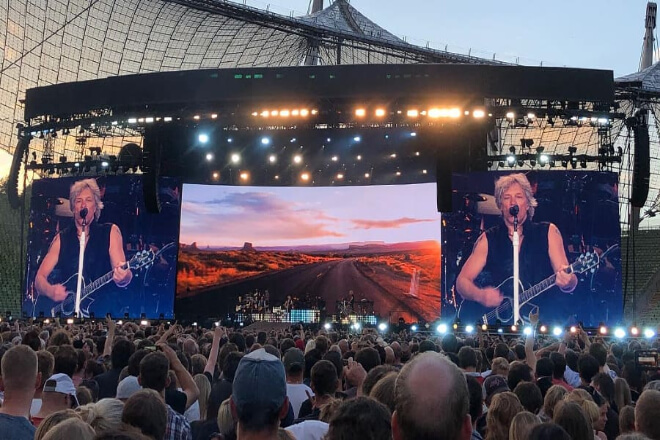
Stage to Audience: LED Displays Craft Immersive Performances
Nowadays, the audience’s experience of a performance goes far beyond just the stage itself.
Sometimes it’s the change in background visuals, sometimes it’s the visuals “extending” from the stage to their feet, and even the area around the audience seating participates in the same visual expression.
The role of LED displays here is simple, but the effect is significant: making the entire space “move” together.
#Muenled
#LEDdisplay
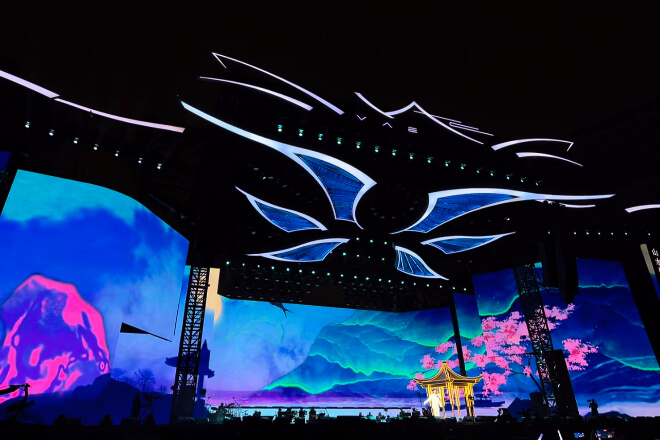
Booming Concert Economy: New Opportunities for Rental LED Displays
Recently, attending concerts has yielded a striking observation: stages are becoming increasingly elaborate, and rental LED screens are growing larger and more numerous.
They’re no longer just background elements; sometimes they even outshine the stage lighting behind the singers.
This reflects the booming concert economy and its growing sophistication in visual design.
#Muenled
#LEDdisplay
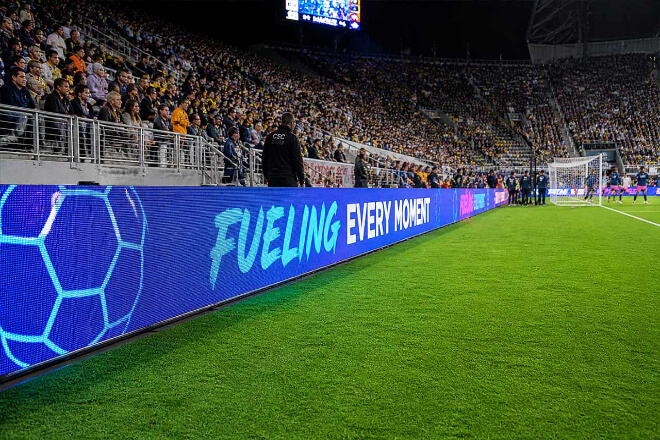
LED Display Allocation Standards for Modern Stadium Construction
When entering a modern stadium, many people’s first impression is of the pitch and stands, but what truly supports the event experience are the LED displays scattered throughout the venue.
From the massive main screen to the sideline information screens and the surrounding advertising screens, they together form a complete visual system.
So, how many LED displays does a modern stadium actually need? The answer isn’t just a number.
#Muenled
#LEDdisplay
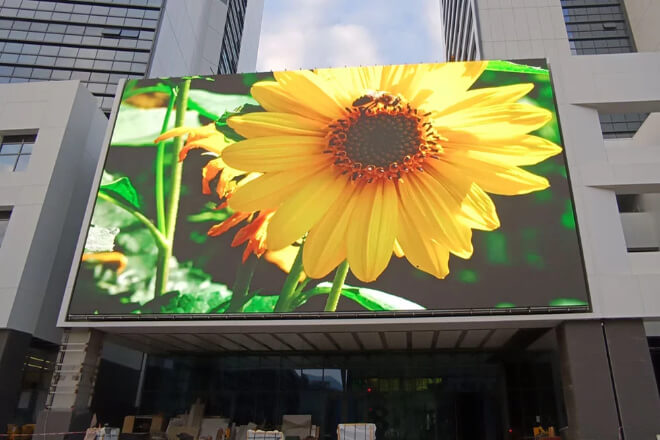
How LED Displays Shift from Cost Items to Business Assets
Many companies, when purchasing LED displays, often prioritize price.
“How much does this screen cost?” is the starting point for almost every purchasing decision.
However, after using it for a period of time, many people realize that the value of a screen far exceeds the initial quote.
It can showcase a brand, attract customers, support events, and even become a continuously value-creating “digital asset” within a space.
#Muenled
#LEDdisplay
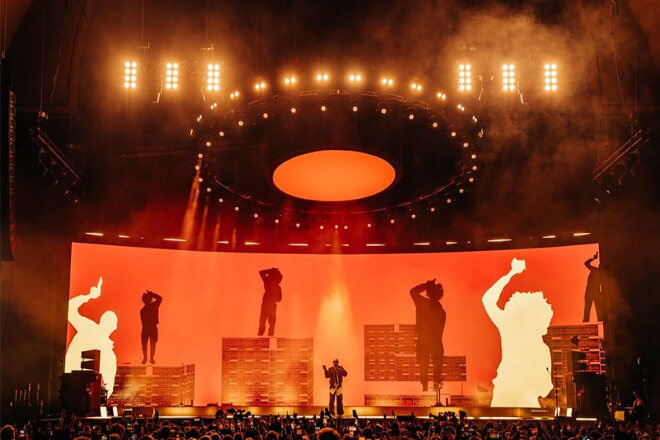
Rental LED Displays: Rising Demand in a Booming Concert Economy
At a concert, audiences remember more than just the songs.
The stage visuals, the atmosphere, and every change in lighting and visuals all influence the overall performance experience.
As concerts grow larger and stage designs become more complex, rental LED displays, with their flexibility, speed, and high adaptability, are increasingly becoming a common choice for large-scale performances.
#Muenled
#LEDdisplay
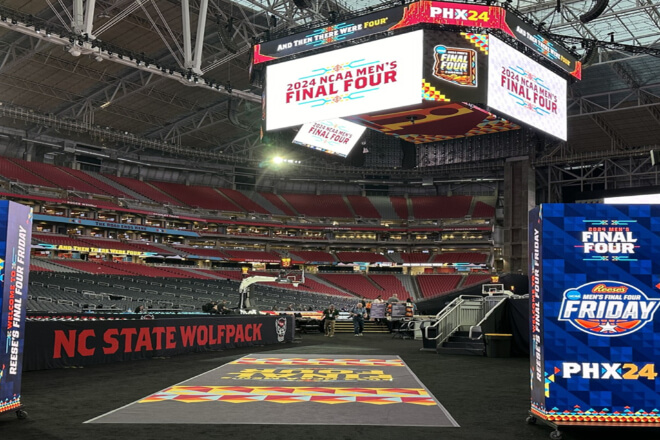
LED Screens: Unlocking Commercial Value for Global Sporting Events
While spectators are focused on the game, brands might be eyeing something else entirely—the screen.
Raceside advertising, scoreboards, highlight reels, even a few seconds of a player’s entrance can become a brand exposure opportunity.
The increasing use of LED screens isn’t just about making the game more visually appealing; the commercial implications behind them are more complex than you might imagine.
#Muenled
#LEDdisplay
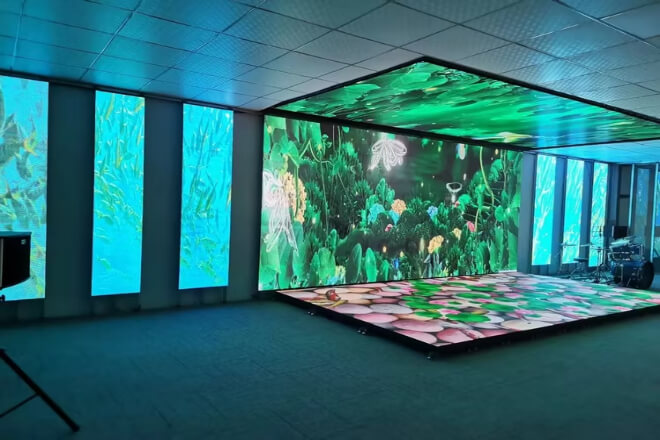
What Is the Gap Between High-End and Standard LED Displays?
The price difference in LED displays can sometimes be quite significant.
They all look like the same screen, similar in size and displaying the same content, so why is one so much more expensive? Many customers’ first reaction is, “Is there really such a big difference?”
In fact, the difference isn’t always immediately apparent upon powering on; it gradually becomes apparent through image quality, stability, and long-term use.
#Muenled
#LEDdisplay
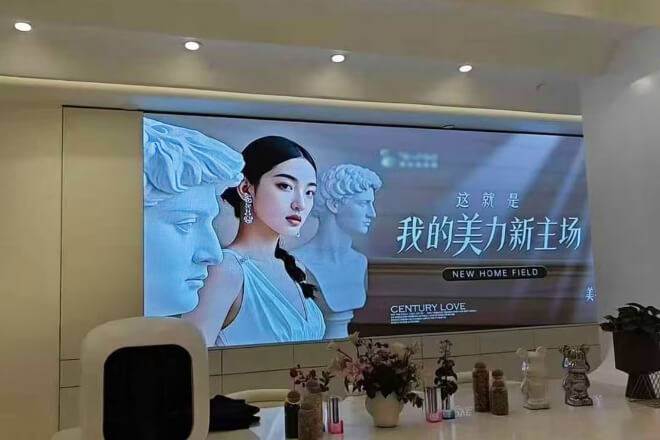
Portability vs Durability: The Core Dilemma for Rental LED Screens
Anyone who has run an event knows what the biggest fear on-site is: It’s not a lack of creativity, but equipment failing at crucial moments.
For rental LED displays, they might be on a concert stage today, and then used at an exhibition, sporting event, or corporate event the next day.
Frequent transportation, installation, and dismantling put a strain on the equipment itself.
So, which is the more important selection criterion: portability or durability?
#Muenled
#LEDdisplay