2.6 mm or 3.9 mm? Choosing Pixel Pitch for a Rental Fleet
2.6 mm or 3.9 mm? Choosing Pixel Pitch for a Rental Fleet
Two outdoor rental walls, same cabinet size, same 3 x 2 m footprint, same IP65 sealing — and a price difference of roughly 45%. The only real difference is the pitch: 2.604 mm against 3.91 mm. Choosing between them is the most common purchasing decision a rental company faces, and it is usually made on the wrong criteria.
This article sets out what the extra density actually buys, what it does not, and how to decide which one to stock first.
The number that changes everything: resolution
Both walls are built from twelve 500 x 1000 mm cabinets in a six-by-two arrangement. The cabinet geometry is identical. What changes is how many pixels fit inside each cabinet.
| 2.604 mm pitch | 3.91 mm pitch | |
|---|---|---|
| Pixels per cabinet (500 x 1000 mm) | 192 x 384 | 128 x 256 |
| Pixels on a 3 x 2 m wall | 1,152 x 768 | 768 x 512 |
| Pixels per square meter | ~147,400 | ~65,400 |
| Native aspect ratio | 3:2 | 3:2 |
| Cabinet weight | ~15 kg | similar class |
| Brightness | >4,000 nits | >3,000 nits |
The 2.6 mm wall carries 2.25 times the pixel count of the 3.9 mm wall. That is the entire product difference, and everything else follows from it: sharper text, cleaner logos, better close-range photographs, and a higher price.
What the extra density buys you
Legibility at close range. On the 2.6 mm wall, a 40 px capital letter is readable from about 4 m. On the 3.9 mm wall the same letter needs to be roughly 60 px to read at the same distance, which eats a third more of the canvas. For events where guests walk past the screen — red carpets, registration walls, product plinths, wedding photo spots — that difference is visible immediately.
Cleaner camera work. Phone video and event photography are the most common cameras at any event, and both are usually closer than the audience. A denser wall holds together at 3–4 m where a coarser wall shows its grid. If your clients photograph their own events for social media — and they all do — this is the specification they will notice without being told.
Higher brightness headroom. This wall is rated above 4,000 nits, which is a meaningful step up from the 3,000-nit class. In practice it means the image still holds contrast in open shade, under a bright marquee, and at the edge of a stage roof where a lower-brightness wall starts to look washed out.
A different rate card. Because the wall resolves detail at close range, it can be sold into indoor-quality work — corporate conferences, product launches, award dinners — while remaining an IP65 outdoor product. That combination is what justifies a premium rate rather than a commodity one.
What it does not buy you
It does not make a bigger screen. Twelve cabinets is still 3 x 2 m. If the job needs a 6 x 3 m backdrop for a festival field, density is irrelevant; you need more cabinets, not finer ones.
It does not fix bad content. A 1920 x 1080 video stretched to 3:2 will still look stretched on a 1,152 x 768 canvas. Density does not correct aspect ratio errors, thin white type on white backgrounds, or a phone-shot clip recorded at 640 x 480.
It does not remove the need for viewing distance discipline. A 2.6 mm wall looks superb at 4 m and looks like a wall at 40 m — the same as any other screen at that distance. For far-field audiences, the extra density is invisible and the extra cost is wasted.
The decision table
| Job type | Recommended pitch | Why |
|---|---|---|
| Outdoor festival main stage, audience 15 m+ | 3.9 mm (or coarser) | Density is invisible at that distance; spend the budget on size |
| Wedding, especially daylight outdoor ceremony | 2.6 mm | Guests stand close, photographs are taken constantly |
| Corporate conference, product launch | 2.6 mm | Text-heavy content, close seating, camera coverage |
| Awards dinner, gala | 2.6 mm | Photographed constantly, guests walk past the screen |
| Brand activation, exhibition stand | 2.6 mm | Foot traffic passes within 2–3 m |
| Church / worship stage | 2.6 mm | Congregation at 5–10 m, lyrics must be readable |
| Rental to other AV companies | 3.9 mm | Cross-rental competes on price, not density |
| Large backdrop on a tight budget | 3.9 mm | Coverage per dollar is the priority |
The pattern is simple: 2.6 mm for jobs where people get close or point a camera at it; 3.9 mm for jobs where the audience is far away and the budget should buy area instead of density.
The fleet answer: buy in the right order
Most rental companies should not choose one and reject the other. They should choose an order.
- Start with the coarser pitch if you are building a fleet from zero. It covers festival stages, outdoor brand events and cross-rental, and it is the product that gets booked most often at a competitive rate.
- Add a dense wall when the enquiries tell you to. The trigger is not ambition; it is a pattern in your quote log — clients asking whether the screen is “HD”, whether text will be readable in photos, or whether it can be used indoors.
- Keep the cabinet size identical. This is the point most buyers miss. Two pitches in the same 500 x 1000 mm cabinet share rigging, frames, flight cases, spare parts and crew knowledge. Two pitches in different cabinet sizes share nothing.
A fleet with one 3.9 mm wall and one 2.6 mm wall can bid on almost any outdoor event and price two tiers. A fleet with two mismatched cabinet sizes has twice the logistics and half the flexibility.
What to verify before you buy the denser wall
- Native resolution, not “supports 1080p”. Ask for the pixel count per cabinet and multiply. A wall described as “Full HD” that is actually 1,152 x 768 is being described by its input, not its output.
- Brightness under real conditions. A 4,000-nit rating is measured at a specific color temperature and drive level. Ask how brightness holds at 80% drive and after an hour of operation.
- Cabinet weight with the module installed. Weight per cabinet drives crew size, truss load and case design.
- Service access. Rear service is standard on rental cabinets; confirm the service clearance the frame needs.
- Spare module ratio. A denser wall has more LEDs per square meter, which means more potential failure points. Carry spares accordingly.
Where this wall fits
The 2.604 mm wall is the premium tier of a 3 x 2 m rental range: same footprint and rigging as the standard-pitch cabinet, 2.25 times the pixel density, more brightness, and the close-range image quality that lets you quote indoor-grade work from an outdoor-rated product.
Specification details — cabinet size, module count, native resolution, scan mode, brightness and control system — are on the ARC2.604 3x2M outdoor rental LED display set product page.
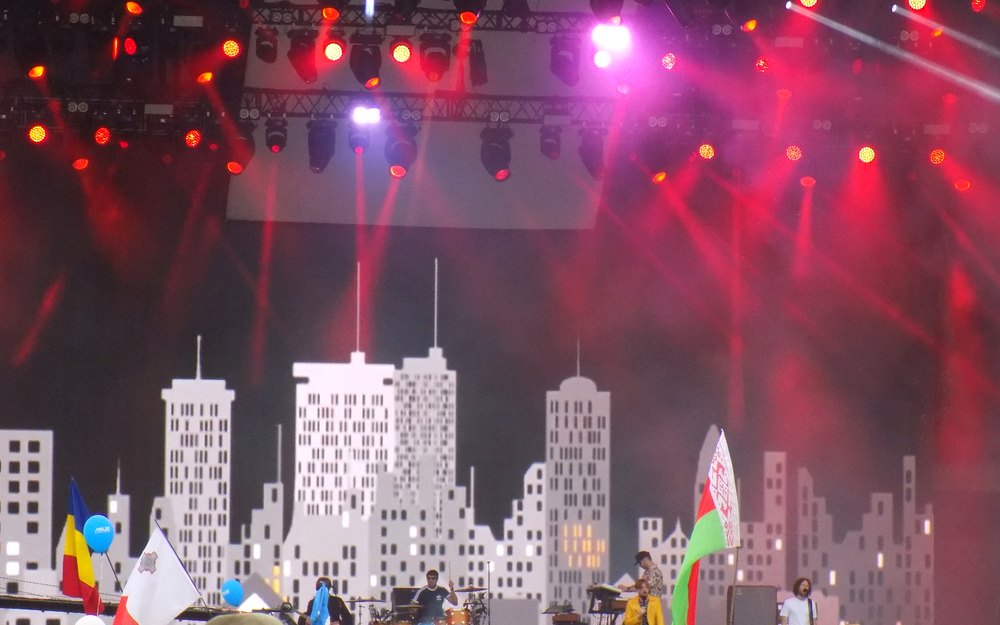
Figure 1 — For far-field audiences, area beats density: spend the budget on size.
Figure 2 — Festival work is where the coarser pitch earns its keep; close-range events are where the dense one does.

Figure 3 — Camera distance decides whether density is visible — and whether the premium is justified.
The short version
The 2.6 mm wall is not “better” than the 3.9 mm wall; it is better suited to a different job. It resolves detail at 3–4 m, carries 2.25 times the pixels and more brightness, and can therefore be sold into close-range, camera-heavy, premium work. Buy it when your quote log shows clients asking for readable text and clean photographs — and keep the cabinet size identical so both pitches share cases, frames and crew.
For the full specification and cabinet options, see the product page.