Storage and Off-Season Care: Protecting Rental Panels Between Jobs
Storage and Off-Season Care: Protecting Rental Panels Between Jobs
Most damage to rental LED walls does not happen at shows. It happens in the warehouse — slowly, invisibly, during the weeks a screen sits in a case nobody opens. Corrosion from damp, modules crushed under careless stacking, connector contacts oxidizing, foam that stopped protecting corners two seasons ago.
A 3 x 2 m outdoor set is twelve cabinets, roughly 180 kg of panels plus their cases — an asset worth protecting with a routine, not with hope. Here is the between-jobs playbook: storage environment, case discipline, periodic powered checks, and the inventory system that makes the next load-in fast.
The storage environment
LED panels are sealed to IP65 for operation, but storage is different: cases are not sealed environments, and temperature swings move moisture in and out of them.
Target conditions:
| Parameter | Target | Why |
|---|---|---|
| Temperature | Stable, roughly 10–30 °C | Thermal cycling stresses solder joints and foam |
| Relative humidity | Below 60% | Above this, corrosion begins on contacts and unsealed edges |
| Light | Dark or dim | Prolonged UV ages plastics and case materials |
| Floor | Dry, level, no direct concrete contact | Concrete wicks moisture; pallets or shelving beat bare floors |
| Airflow | Gentle, not a draft onto open cases | Stagnant damp air is the worst case; moving dry air is the friend |
The classic mistake is the shipping-container or garden-shed storage: fine in a dry summer, a corrosion bath in a rainy winter. If storage space is unconditioned, desiccant packs in every case and a monthly check become mandatory rather than optional.
Case discipline
The flight case is the panel’s armor. Three rules keep it working:
- Cabinets ride upright in their foam slots, faces protected. Never stack cabinets loose on their faces, and never store anything on top of a case except another closed case of the same footprint.
- Inspect foam quarterly. Foam compresses over time; once it no longer grips the cabinet, corners take the transport impacts. Foam replacement is cheap; a crushed module is not.
- Cases get numbers, and cabinets get matched slots. A cabinet that always rides in case 3, slot 2 is a cabinet whose damage history you can trace. Photograph the case interiors once — when something is missing at the next load-in, the photo settles it.
The wet-panel rule is absolute: nothing wet goes into a case. After any rain-exposed job, cabinets dry in open air before casing. A damp cabinet in a closed case is a humidity chamber; by spring the connectors tell the story.
The monthly powered check
Once a month, in season or out, every stored wall gets thirty minutes of power:
- Open the cases in a dry space, let the panels acclimatize (cold panels into warm rooms get 30–60 minutes unpowered first — condensation destroys driver boards that are switched on too early).
- Assemble the wall or run it in a test rig.
- Power up at low brightness (20–30%) and run a full white field for 20–30 minutes. The gentle operating heat drives residual moisture out through the normal ventilation path.
- Cycle white / black / 50% grey and log anything new: dead pixels, dim modules, color drift.
- Power down, let it cool, re-case.
This single habit catches most storage-borne problems while they are still cheap, and it doubles as a moisture-prevention routine in humid climates.
Inventory: the system that makes load-ins fast
Storage is also where fleet management lives:
- Serial-to-case mapping, one page per wall, photographed and stored in the cloud. When a cabinet is missing, you know it now — not at the next load-in.
- Module pool tracked separately from cabinets. Spares have their own cases, their own location, and their own age log. A “matched module pool” (see calibration practice) only works if you know which modules are which age.
- Cable and accessory bins with fixed homes. Power links, data links, clamps, base hardware — each has a labeled bin. Missing accessories are the silent tax on every load-in.
- A defects-and-history log per cabinet. Every repair, every dead-pixel incident, every calibration correction, with dates. When a cabinet hits the end of its economic life, the log is how you know — and how you justify the replacement.
Off-season specifics for outdoor rental
In markets with a real winter, the off-season is when fleets quietly age:
- Condensation is the season’s main enemy. Cold panels moving into heated rooms sweat. Anything brought out of cold storage for a winter indoor job sits unpowered for 30–60 minutes first. This single rule prevents a whole category of spring repairs.
- Batteries and electronics in the kit (processors, media players, spare parts) store better at partial charge in a dry drawer than inside a cold van.
- Cases stacked to a sane height — high stacks in earthquake-and-forklift country crush corner foam and warp case walls.
- A winter deep-clean: dust out the cabinet rears with low-pressure air, inspect gaskets, replace the ones that compressed during the season, and lubricate latches if the manufacturer specifies it.
Preparing for the next season
Before the first spring booking:
- Full uniformity pass on every wall (grey field at three levels, per the calibration routine) and a recalibration where needed.
- Full firmware and configuration audit: processor configurations archived and named, control system firmware consistent across the fleet.
- Spares count against a target ratio — 2–3% of the fleet in modules, spare receiving cards, a box of links and fasteners. Winter is when to buy them, not mid-season at rush prices.
- Case and gasket inspection as above.
- First booking dry run: assemble one wall in the warehouse, run content, photograph the result. The first job of the season is the worst place to discover winter damage.
What this means for asset life
A rental wall that gets the full routine — dry storage, cased upright, monthly powered checks, wet-panel discipline, logged history — reliably delivers several more working seasons than one that lives in a van or a damp container. With panels in the 15 kg class, the handling is easy enough that the routine costs minutes, not manpower: one technician can run the monthly check on a whole wall before lunch.
The economic argument is simple: the fleet’s margin lives in its utilization rate, and utilization lives in reliability. Storage discipline is reliability’s cheapest line item.
The specification that matters here
The panels’ IP65 rating covers operation, not storage; the rear-service design and 65 mm cabinet depth make the monthly checks fast; and the 15 kg-class weight means one person can run the whole between-jobs routine alone. Cabinet dimensions, sealing class, weight and configuration for this set are on the ARC2.976 outdoor rental LED display page.
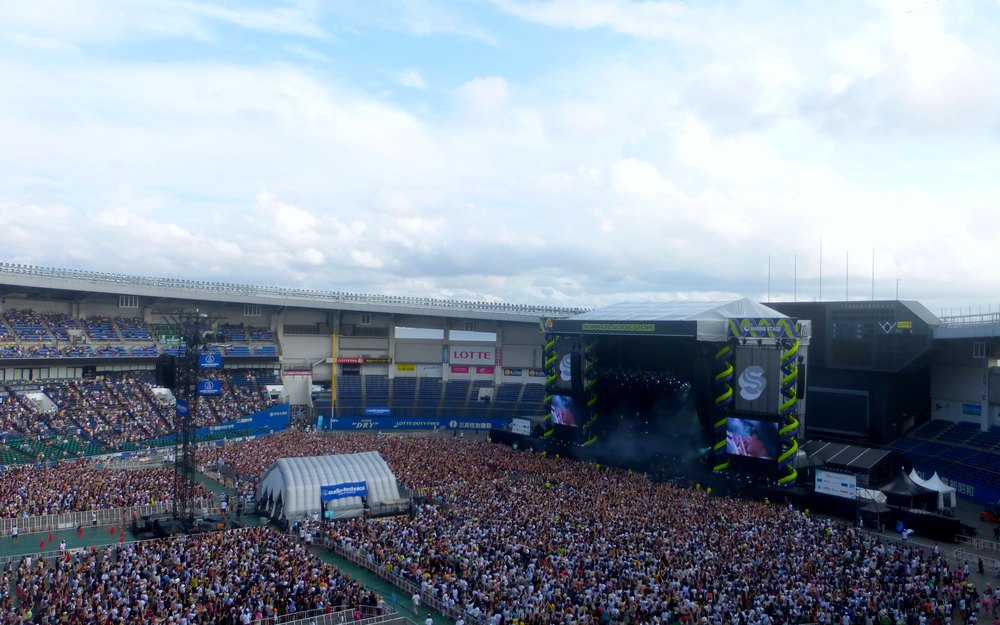
Figure 1 — Dry, shelved, and mapped: the storage environment decides how the fleet ages.
Figure 2 — A wall that passes its monthly check books with confidence when the season opens.

Figure 3 — The goal of storage discipline is simple: the first show of the season looks like the last one did.
The short version
Storage is where fleets are won and lost. Keep the space dry and stable, case cabinets upright with inspected foam, never case a wet panel, and give every wall thirty minutes of powered check each month — it drives out moisture and catches problems while they are cheap. Map serials to cases, keep a per-cabinet history log, and run a full uniformity pass before the season’s first booking. The routine costs minutes a month; skipping it costs modules.
For the specification behind the storage and service routine, see the product page.