The Real Economics of Owning Rental LED Cabinets
Rental businesses do not buy displays — they buy utilization. A cabinet’s real cost is spread across every build, truck kilometer and crew hour of its working life. Run those numbers and the case for the ARC3.91 outdoor rental LED display becomes an arithmetic argument, not a specification debate.
Factor 1: Crew Hours Per Build
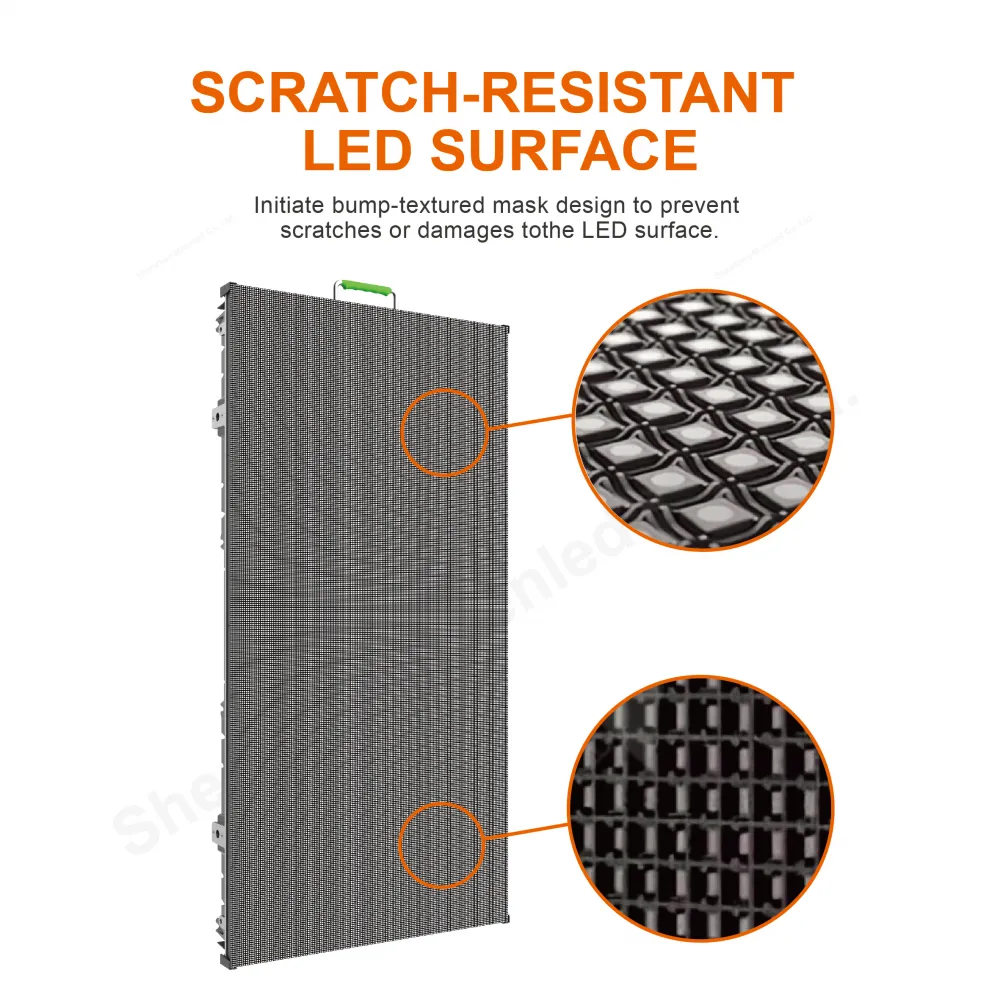
At 15kg per 500×1000 cabinet, a two-person crew can safely handle every unit without mechanical assistance. On a 48-cabinet corporate wall, that is a realistic three-hour load-in with standard rigging gear.
Heavier 25–30kg cabinets in the same format change the math: lifts or a third crew member, slower positioning, more rest cycles. Over a 40-event season, the difference compounds to hundreds of crew hours — usually the largest controllable cost in a rental operation.
Factor 2: Freight Density
The 65mm cabinet depth means more cabinets per flight case and more cases per truck. For a touring fleet, thinner cabinets translate directly into:
- Fewer truck loads per event — or one smaller truck
- Lower fuel and driver cost per event
- Less case inventory per square meter of wall
On a regional circuit of weekly events, freight savings alone can approach the depreciation cost of the cabinets themselves.
Factor 3: The Rebooking Multiplier

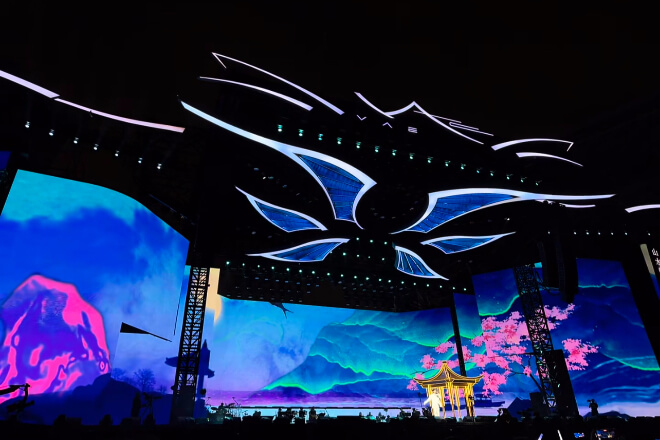
This factor never appears in a quotation, but it decides fleet economics: clients rebook screens whose footage looked good. The ARC3.91’s 7680Hz refresh and >4000-nit output make every wedding film, keynote recording and festival livestream cleaner — which is precisely what makes the rental company the vendor for next season.
A wall that photographs well is a marketing asset working at every event it attends.
Factor 4: Weather Uptime
IP65 sealing face and rear converts rain calls from cancellations into delays. For an event business, a show that runs in drizzle is revenue protected; a show postponed is revenue often lost entirely. Across a season of outdoor dates, the IP65 rating is not a datasheet line — it is a percentage of the year’s billing.
Factor 5: Residual Value
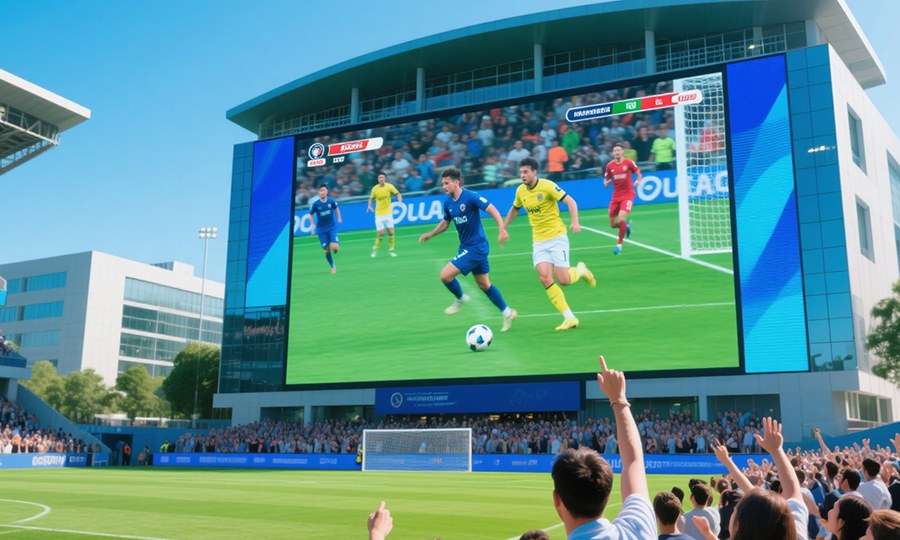
Rental fleets rotate. Cabinets built on the Novastar platform with standard 250×250 modules retain strong second-life demand — as fixed-install screens at schools, houses of worship and venues where 3.91mm is more than enough resolution. High-refresh drive designs also age better, so second-life buyers get panels that still perform to spec.
The Ledger, Summarized
| Cost factor | ARC3.91 advantage |
|---|---|
| Crew hours | 15kg cabinets, two-person handling |
| Freight | 65mm thin, denser packing |
| Rebooking | 7680Hz camera-clean imagery |
| Weather uptime | Full IP65 face and rear |
| Residual value | Novastar platform, standard modules, slow aging |
Purchase price opens the ledger; these five factors write the rest of it. For a rental operator comparing cabinets, the honest method is to price the season, not the unit — and the ARC3.91 product page has the specifications to run that model on.