The Sweet Spot Pitch: Why 2.976 mm Is the Workhorse of Outdoor Rental
The Sweet Spot Pitch: Why 2.976 mm Is the Workhorse of Outdoor Rental
Between the premium density of 2.6 mm and the affordability of 3.9 mm sits 2.976 mm — and for most rental companies it is the pitch that earns the most, books the most and argues the least. It is not the finest wall in the fleet and not the cheapest, which is precisely why it works: it is close enough to read at conversational distance and cheap enough to quote on volume work.
This article puts the 2.976 mm wall in context — what it resolves, what it costs relative to its neighbours, and which jobs it should take — using a 3 x 2 m outdoor set as the reference build.
The numbers, side by side
All three walls use the same 500 x 1000 x 65 mm cabinet, twelve cabinets per 3 x 2 m wall, ninety-six 250 x 250 mm modules. Only the pitch — and therefore the pixel count — changes.
| 2.604 mm | 2.976 mm | 3.91 mm | |
|---|---|---|---|
| Pixels per cabinet | 192 x 384 | 168 x 336 | 128 x 256 |
| Resolution, 3 x 2 m wall | 1,152 x 768 | 1,008 x 672 | 768 x 512 |
| Pixels per square meter | ~147,500 | ~112,900 | ~65,400 |
| Price index (3.91 mm = 100) | ~147 | ~131 | 100 |
| Brightness class | >4,000 nits | >4,000 nits | >3,000 nits |
Read that table as a cost-benefit curve. Going from 3.91 to 2.976 mm adds 72% more pixels for about 31% more money. Going from 2.976 to 2.604 mm adds 31% more pixels for about 12% more money. The biggest jump in perceived quality per dollar happens on the first step — from coarse to mid — not on the second.
That is the whole argument for the sweet spot: the 2.976 mm wall captures most of the visual benefit of fine pitch at a price that still competes on volume work.
What 1,008 x 672 pixels actually deliver
At 3 x 2 m, this wall resolves just over three quarters of a megapixel with a 3:2 canvas. In practical terms:
- Type down to about 35 px cap height reads at 4 m. Wedding signage, conference titles and wayfinding all fit comfortably.
- Logos hold their edges in photographs taken at 3–5 m. Not quite the close-range perfection of 2.6 mm, but no visible grid in the shots clients actually keep.
- Video looks native, not stretched, when authored at 3:2 — a 1,008 x 672 canvas accepts 16:9 footage in a frame with a title band, exactly as the denser wall does.
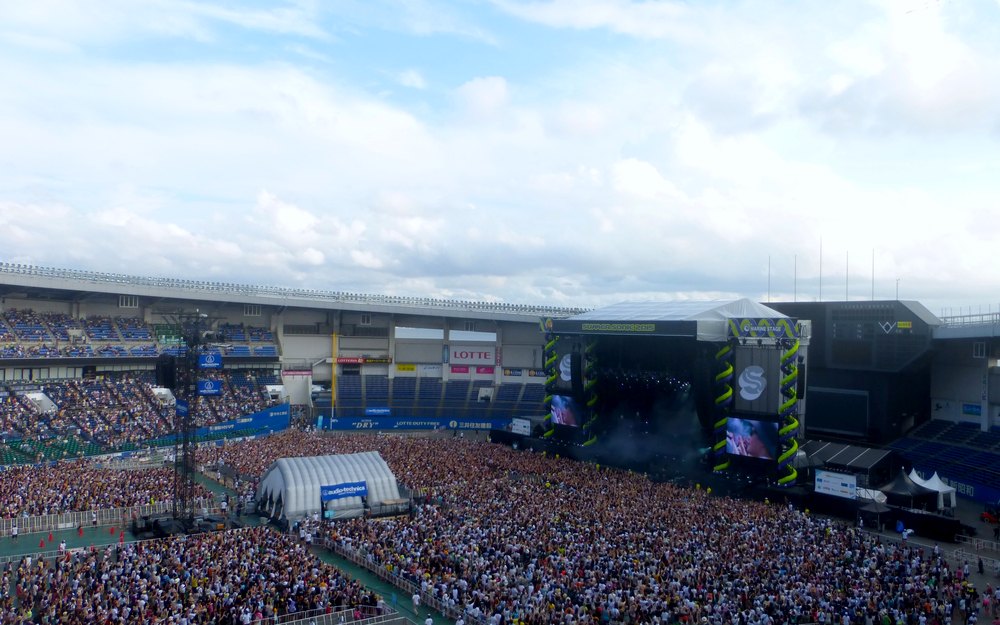
- At festival distances (15 m+), it is indistinguishable from 2.6 mm. Density stops mattering around 10 m; from there both walls read as a clean image.
The brightness rating — above 4,000 nits — is the same class as the 2.6 mm wall, which means the same daylight confidence: readable in open shade, under marquees, and at the edge of a stage roof.
Where the sweet spot sits in a fleet
If you stock only one pitch, 2.976 mm covers the widest span of enquiries:
| Job | Fit |
|---|---|
| Corporate conference, 5–10 m viewing | Excellent — text holds, rate is competitive |
| Wedding, close guests and photography | Very good — one notch below the 2.6 mm wall |
| Product launch / activation | Very good |
| Festival main stage, 15 m+ | Fine — density invisible, price competitive |
| Cross-rental to AV companies | Good — the market standard pitch segment |
| Night club / concert, camera-heavy | Excellent — 1,920 Hz refresh covers phones and event cameras |
The honest boundaries: at under 3 m, discerning clients will notice the difference against a 2.6 mm wall; and for pure price-driven volume work, a 3.91 mm wall quotes lower. The 2.976 mm wall is not the edge of the curve — it is the middle of it, which is where most real bookings live.
The engineering side of the choice
The pitch is not the only reason this configuration earns its keep:
- 1/21 scan on a 336-row cabinet drives the panel efficiently at high brightness — the camera-safe shutter guidance (1/50–1/60 s) is the same as the neighbouring pitches.
- 1,920 Hz refresh means guest phone video and event cameras capture the wall cleanly at normal shutter speeds; only high-speed slow-motion needs a test first.
- IP65 sealing and rear service are identical across the range, so weather procedure and service clearance do not change between tiers.
- ~15 kg cabinets keep the logistics math friendly: a 3 x 2 m wall is about 180 kg of panels, a two-person build, and a van load rather than a truck load.
- Novastar control slots into the same workflow as the rest of a rental fleet, including mapping, backup configurations and brightness scheduling.
In other words: choosing the mid pitch changes none of the operational muscle memory. The crew, cases, frames and processor workflow carry over from whatever else you run.
Positioning it on the rate card
The mid pitch supports a clean three-tier quote structure:
- Standard tier — a coarser wall for festivals and price-led volume bookings.
- Workhorse tier (this wall) — the default answer to “can we get a nicer screen?” It justifies a mid-premium rate because the client sees the difference at their actual viewing distance without paying the full fine-pitch premium.
- Premium tier — the 2.6 mm wall for close-range, camera-critical work.
The most common quoting mistake is letting the workhorse wall drift down into standard-tier prices. It will win those bookings — and then the tier stops existing. Quote the workhorse at its own rate, show the client the pixel-count comparison if they ask, and let the standard tier compete on availability instead.
What to check before buying into this pitch
- Native resolution per cabinet, not marketing resolution. 168 x 336 per cabinet is the number to multiply.
- Brightness at realistic drive levels — a 4,000-nit class rating should still hold contrast at 80% drive after an hour of operation.
- Cabinet weight with modules installed, since 15 kg class weight is what keeps the van-and-two-crew logistics intact.
- Scan mode and camera guidance, so your operators can brief client camera teams correctly from day one.
- Spare ratio — mid-pitch modules fail at similar rates to any LED product; 2–3% of the fleet in spares covers a season.
Where the specification lives
Cabinet dimensions, native resolution, scan mode, refresh rate, brightness and control system for this configuration are on the ARC2.976 outdoor rental LED display product page.
Figure 1 — At festival distances, mid-pitch density is indistinguishable from premium — at a lower rate.
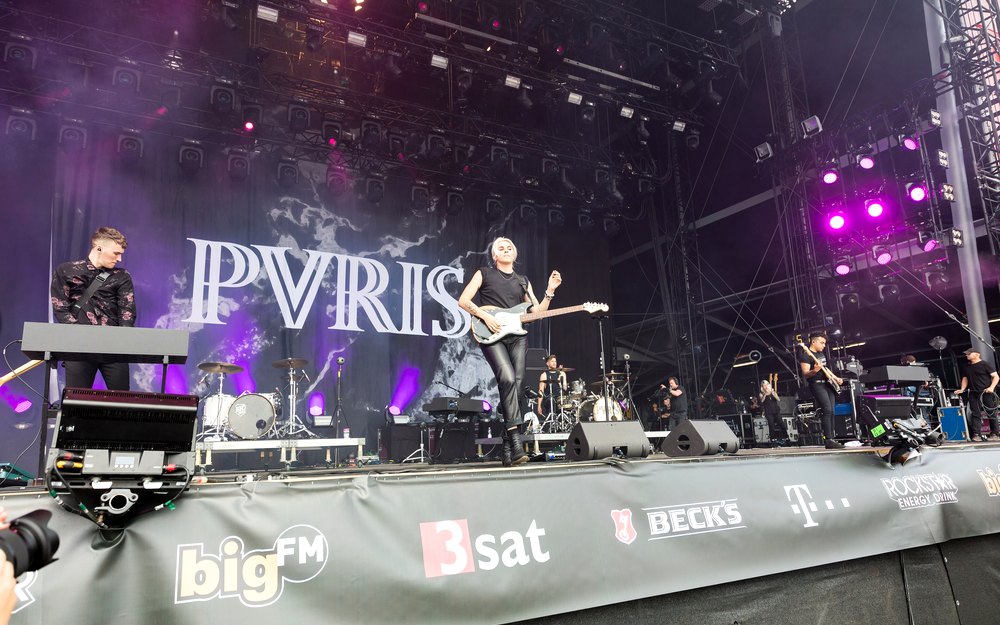
Figure 2 — Daylight confidence comes from the 4,000-nit class rating, not the pitch.

Figure 3 — Guest phone video is where the 1,920 Hz refresh and mid-pitch density quietly do their work.
The short version
2.976 mm is the pitch that buys 72% more pixels than 3.91 mm for about a third of the price step, keeps the same 4,000-nit brightness class as the premium wall, and changes nothing about cases, crew or control. It reads type at 4 m, holds logos clean in photographs, and quotes competitively on festival and cross-rental work. For most fleets it is not the flashiest purchase — it is the one that books most often.
Full specification and configuration options are on the product page.