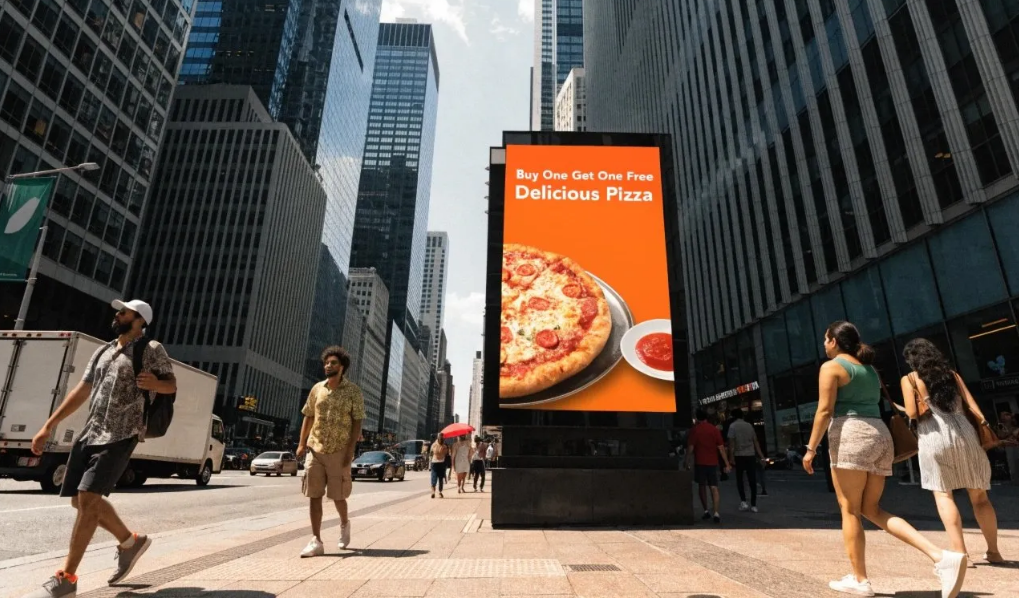
Outdoor LED Sign Lifespan: What to Expect in Real-World Use
Outdoor LED signs are a powerful marketing tool, but you may wonder how long they truly last. These displays attract attention, increase brand visibility, and offer high ROI when managed properly. They provide dynamic content that can be updated instantly, enhance customer engagement, and serve as an effective marketing investment. With proper design, installation, and maintenance, they can become a long-term promotional asset for any business.
Many companies invest in outdoor LED signage without fully understanding longevity. Incorrect assumptions can lead to unexpected maintenance costs, poor ROI, and early sign failure. Factors such as component quality, installation, and environmental exposure heavily influence service life.
By reading this guide, you will learn how to select, maintain, and extend the life of your LED sign. You will also gain insight into key factors affecting lifespan, practical maintenance strategies, and tips for maximizing long-term performance and cost efficiency.

Understanding What is Outdoor LED
Outdoor LED refers to light-emitting diode displays designed for external environments. Unlike indoor LEDs, these are built to withstand weather, sunlight, and temperature fluctuations, and they feature robust casing, high-brightness modules, anti-UV coatings, and specialized cooling systems to ensure consistent performance in harsh outdoor conditions.
Key characteristics include:
| Feature | Specification |
| Brightness | 5000–7000 nits for sunlight visibility |
| Weatherproof Rating | IP65 or higher |
| LED Chip Durability | Tens of thousands of operating hours |
These features make outdoor LED signs ideal for billboards, storefronts, stadiums, and advertising displays. They are also perfect for event promotions, traffic information boards, sports arenas, and large-scale public information systems, providing high visibility and reliable performance in various outdoor environments.
Typical Lifespan Range of Outdoor LED Signs
Most high-quality outdoor LED signs last between 50,000 and 100,000 hours, which is equivalent to roughly 6–11 years depending on daily usage and environmental conditions. Factors like brightness settings, overdriving, and climate can shorten or extend this lifespan., which roughly translates to 6–11 years depending on usage.
| Daily Usage | Expected Lifespan (Years) |
| 8 hours/day | 17–34 years |
| 12 hours/day | 11–23 years |
| 24/7 | 6–11 years |
Dive deeper: Lifespan varies widely depending on brightness settings, regular maintenance, and environmental exposure. Overdriving LEDs, excessive heat, high humidity, or direct sun can accelerate wear. Proper care, including airflow management, protective coatings, and scheduled inspections, can significantly prolong the operational life of your outdoor LED sign.
The Actual Meaning of “LED Sign Lifespan”
Lifespan in Hours vs. Years
LED lifespan is often rated in operating hours. 50,000 hours means the display will maintain at least 50% brightness after this time, which is roughly 6 years at 24/7 usage, but can extend to over 17 years with moderate daily usage and proper maintenance, taking into account environmental conditions, operating temperature, and brightness settings, but actual years vary based on daily usage, brightness settings, and environmental factors.
| Operating Hours | Approximate Years (8h/day) | Approximate Years (12h/day) | Approximate Years (24/7) |
| 50,000 | 17 | 11 | 6 |
| 80,000 | 27 | 18 | 9 |
| 100,000 | 34 | 23 | 11 |
When an LED Sign Is Considered at “End of Life”
A sign reaches end of life when brightness drops, colors fade, or repairs become too frequent and costly. Even if some LEDs still function, overall visual quality may be compromised. Signs may exhibit flickering, color shifts, uneven illumination, and increased energy consumption, which signal that major components are deteriorating. Prolonged use without intervention can lead to complete system failure, higher repair expenses, and reduced effectiveness as a marketing tool.

Key Factors That Affect the Lifespan of an Outdoor LED Sign
Key Factors: LED Chip, Power Supply, Weather, and Installation
The lifespan of an outdoor LED sign depends on multiple interrelated factors, each influencing the other. These factors include the quality of the LED chips and power supply, environmental conditions such as sun, rain, and temperature, daily usage, and proper installation. Below is a combined overview using both text and a detailed table for clarity, offering practical insights and recommendations to extend your sign’s operational life.
| Factor | Impact on Lifespan | Recommendations |
| LED Chip Quality & Power Supply | High-quality chips ensure consistent brightness; poor quality leads to early burnouts and color shifts | Use certified, premium LED chips and stable power supplies |
| Weather, Heat & Environment | Sunlight, rain, humidity, and temperature fluctuations can degrade components | Choose IP-rated, heat-resistant, and waterproof materials |
| Daily Operating Hours & Brightness | Longer daily use and high brightness accelerate wear | Reduce brightness where possible; use automatic brightness control |
| Ventilation & Installation | Poor airflow and insecure mounting can cause overheating and moisture damage | Ensure proper ventilation, secure mounting, and IP65+ waterproofing |
Maintaining all these factors optimally will significantly extend your LED sign’s operational life.
Outdoor LED Sign Lifespan by Display Type
SMD vs. DIP Outdoor LED Signs
| Feature | SMD LED | DIP LED |
| Pixel Density | High, fine pitch | Lower, larger pixels |
| Viewing Angle | Wide | Narrow |
| Lifespan | 60,000–100,000 hours | 50,000–80,000 hours |
| Ideal Usage | Close viewing distances | Large billboards |
Standard Outdoor LED vs. Fine Pixel Pitch Outdoor LED
Fine pixel pitch displays offer crisper images for closer viewing but require higher-quality components and careful maintenance to maintain lifespan.
- Premium LED Chips: Ensure durability and color consistency.
- Enhanced Power Management: Stable power prevents early burnout.
- Regular Maintenance: Cleaning and inspection prevent dirt and heat buildup.
| Feature | Impact on Lifespan | Recommendation |
| Pixel Density | Higher density increases stress on LEDs | Use certified fine-pitch modules |
| Power Management | Dense arrays require stable power | Install high-quality, certified power supplies |
| Maintenance Frequency | Dirt and heat can reduce performance | Schedule regular cleaning and preventive checks |
Warning Signs Your Outdoor LED Sign Is Nearing the End of Its Life
Before a complete failure, outdoor LED signs often show warning signs. Early recognition of these indicators allows businesses to take proactive measures, schedule timely maintenance, and potentially extend the life of the sign. Identifying issues before they escalate can prevent costly repairs and minimize downtime, ensuring that your display remains effective and visually appealing.
Dead Pixels, Flickering, and Uneven Colors
Frequent dead pixels, flickering, or uneven colors indicate aging LED modules. Color inconsistencies, random dark spots, and patchy brightness can reduce visual appeal, compromise readability, and negatively affect brand effectiveness. These signs often precede more serious failures, such as complete module burnout or uneven display performance, making early detection crucial for maintenance planning and cost savings.
Reduced Brightness and Rising Energy Costs
A noticeable drop in brightness or increasing energy consumption may signal failing power supplies or deteriorating LEDs. Signs that draw more power for the same output, such as higher electricity bills or dimmer display despite same settings, require immediate attention.
This often indicates that components are wearing out and that timely inspection or maintenance is essential to prevent further deterioration, maintain display quality, and avoid costly repairs.
Frequent Repairs or Downtime
If repairs become increasingly frequent or the display experiences significant downtime, the cost of maintenance may outweigh continued operation. Tracking maintenance trends over time, documenting repair frequency, and analyzing component performance helps decide whether continued repair or full replacement is the most cost-effective option. Businesses can plan budgets, reduce unexpected expenses, and maintain consistent display quality by proactively managing these trends.
Effective Strategies for Extending Outdoor LED Sign Lifespan
Proper maintenance and smart usage can greatly extend the life of your outdoor LED sign. Understanding the key strategies and implementing proactive measures ensures your display remains bright, efficient, and visually compelling for many years. This section provides a comprehensive guide to help you optimize your investment.
Choose a High-Quality Display From the Start
Invest in reliable components, IP-rated cabinets, and premium LED chips to ensure long-term durability. Look for certified modules, robust frames, and verified suppliers. High-quality displays resist environmental stress and maintain consistent brightness over time.
Use Automatic Brightness Adjustment
Automatic brightness adjustment reduces strain on LEDs and extends operational hours while maintaining optimal visibility. This feature adapts the display to ambient light, preventing overdriving, reducing energy consumption, and prolonging component lifespan. Smart brightness control can extend LED life by up to 30% in outdoor conditions.
Schedule Regular Cleaning and Preventive Maintenance
- Monthly Cleaning: Remove dust, dirt, and debris from modules to prevent heat buildup and maintain optimal thermal performance. Check LED modules for minor damage or discoloration and clean with appropriate tools to avoid scratches or moisture penetration.
- Quarterly Inspections: Inspect wiring, power supplies, cooling fans, and cabinet integrity in detail. Identify loose connections, corrosion, or signs of wear. Document issues and address them promptly to prevent escalation.
- Proactive Component Replacement: Replace worn, weak, or aging components before they fail completely. Prioritize LEDs, power units, and fans showing early signs of failure to minimize downtime and avoid cascading damage to other parts.
| Maintenance Task | Frequency | Purpose |
| Module Cleaning | Monthly | Prevent heat accumulation and maintain brightness |
| Wiring & Power Inspection | Quarterly | Ensure stable electrical supply and safety |
| Component Replacement | As needed | Avoid cascading failures and costly downtime |
Following these steps helps maximize lifespan, reduce operational costs, and maintain high visual quality. By implementing a structured maintenance schedule, monitoring component performance, and using high-quality materials, businesses can not only extend the life of their LED signs but also ensure consistent brightness, reduce energy consumption, and maintain a professional appearance. Proactive attention to environmental conditions, cleaning routines, and component health creates a sustainable management plan that safeguards both visual impact and investment value over the long term.

Evaluating the Value of a Longer Lifespan for Outdoor LED Signs
The Cost Implications of Choosing the Cheapest Outdoor LED Sign
Cheap signs may have lower-quality chips and power systems, which can result in early failure, inconsistent brightness, increased energy consumption, frequent repairs, and higher maintenance costs over time. These deficiencies can compromise visual performance, reduce reliability, and lead to greater overall expenses compared to investing in high-quality LED displays.
Total Cost of Ownership vs. Long-Term ROI
Understanding the full financial impact of LED signage requires looking beyond initial costs. Factors such as maintenance, lifespan, and energy efficiency directly affect long-term returns. By comparing these variables, businesses can make informed decisions that minimize expenses and maximize performance.
| Cost Factor | Low-Cost LED Sign | High-Quality LED Sign |
| Initial Investment | $2,500/m² | $4,500/m² |
| Maintenance (5 yrs) | $3,000 | $1,200 |
| Lifespan | 5–7 years | 10+ years |
| ROI | Lower | Higher |
The table illustrates that while high-quality LED signs require a higher upfront investment, they offer longer lifespan, lower maintenance costs, and better ROI. Prioritizing quality ensures reduced operational costs, consistent brightness, and reliable display performance over time.

Conclusion
Proper planning and informed decisions are essential when investing in an outdoor LED sign. Lifespan depends on three main factors: quality components, correct installation, and consistent maintenance. Using premium LED chips, robust power supplies, and IP-rated cabinets, combined with proactive care, helps maintain brightness, color accuracy, and display performance, minimizing downtime and ensuring a strong return on investment.
If you’re ready to elevate your outdoor advertising or event displays, partner with an experienced LED display provider. At MuenLED, we offer customized outdoor LED video wall solutions tailored to your business’s unique needs. Contact us today to discuss your project and discover how our solutions can deliver long-term value and impressive visual impact.