Complete Guide to LED Billboard Costs for Businesses & Marketers
Struggling to figure out how much an LED billboard will really cost? You’re not alone. Businesses often underestimate the complexity and expense of digital signage.
With so many options—sizes, resolutions, and features—deciding which LED billboard fits your project can feel overwhelming. Mistakes in budgeting can lead to wasted money or poor advertising results.
This guide will show you exactly what drives LED billboard costs, the types available, and practical examples for every budget, helping you make informed decisions and maximize your advertising impact.

Factors Influencing LED Billboard Cost
The cost of an LED billboard depends on several key factors, each affecting both upfront investment and long-term value. Understanding these elements helps businesses budget accurately and avoid unnecessary expenses. Hardware quality, screen size, installation, operational costs, and optional features are the main drivers of price. Making the right choices in each category not only impacts the initial investment but also affects long-term maintenance and revenue potential.
Hardware Components
The core of any LED billboard is its hardware, which determines both performance and longevity. High-quality LED modules provide brighter, more vibrant visuals and last longer than lower-cost alternatives. LED chips, pixel pitch, and control systems all influence the overall cost. Smaller pixel pitches produce sharper images but require more modules, which increases material and installation expenses. Reliable control systems ensure smooth content playback, remote monitoring, and easier scheduling, reducing the likelihood of operational disruptions. Investing in quality hardware upfront may increase initial costs, but it reduces maintenance needs and extends the lifespan of your display, saving money over time.
Screen Size and Resolution
Screen dimensions and resolution significantly impact pricing and audience engagement. Larger displays require more LED modules, stronger support structures, and higher shipping and installation costs. Resolution affects image clarity, especially for viewers close to the screen. Choosing the right resolution and size for the intended viewing distance is critical. Over-investing in ultra-high resolution for distant locations can waste money, while undersized or low-resolution screens may fail to capture attention effectively. Carefully balancing size and resolution ensures that your billboard delivers maximum visual impact without overspending.
Structural and Installation Costs
Installation and structural requirements account for a substantial portion of total investment. Mounting options—such as wall-mounted, pole-mounted, or free-standing—impact both material and labor costs. Outdoor installations often need reinforced steel frames, protective cabinets, and weatherproofing to withstand elements, which adds to upfront expenses. Labor costs include assembly, electrical connections, and safety inspections, while permits and regulatory approvals can further affect the total cost. Proper installation not only protects your investment but also ensures safety and compliance with local regulations, avoiding future penalties or repair expenses.
Operational and Maintenance Costs
Owning an LED billboard involves ongoing operational expenses that must be considered when calculating ROI. High-brightness outdoor displays consume significant electricity, which can vary based on daily usage and ambient light levels. Regular cleaning, inspection, and occasional module replacement are necessary to maintain optimal performance. Control systems also require periodic software updates to ensure smooth operation and security. Planning for these recurring expenses upfront helps maintain consistent performance and profitability. Well-designed operational systems and accessible maintenance points can significantly reduce downtime and costs over the billboard’s lifetime.
Additional Features and Customization
Optional features can enhance visibility, engagement, and overall advertising impact but will increase costs. Double-sided or 3D displays, transparent or curved panels, and interactive or IoT-enabled features allow businesses to create unique installations that stand out from competitors. Customization should align with specific marketing goals and target audiences. While these features add to upfront investment, when implemented strategically, they can improve audience engagement, generate higher ad revenues, and accelerate ROI, making them a worthwhile consideration for businesses looking to maximize their advertising effectiveness.

Types of LED Billboards and Their Costs
LED billboards come in various types, each designed for specific applications, locations, and advertising goals. Understanding the differences between outdoor, indoor, rental, and specialty displays helps businesses choose the right solution while keeping costs manageable. Each type has unique pricing factors influenced by size, resolution, features, and installation requirements, which directly affect return on investment. Selecting the appropriate billboard type ensures that your advertising reaches the right audience effectively and efficiently.
Outdoor LED Billboards
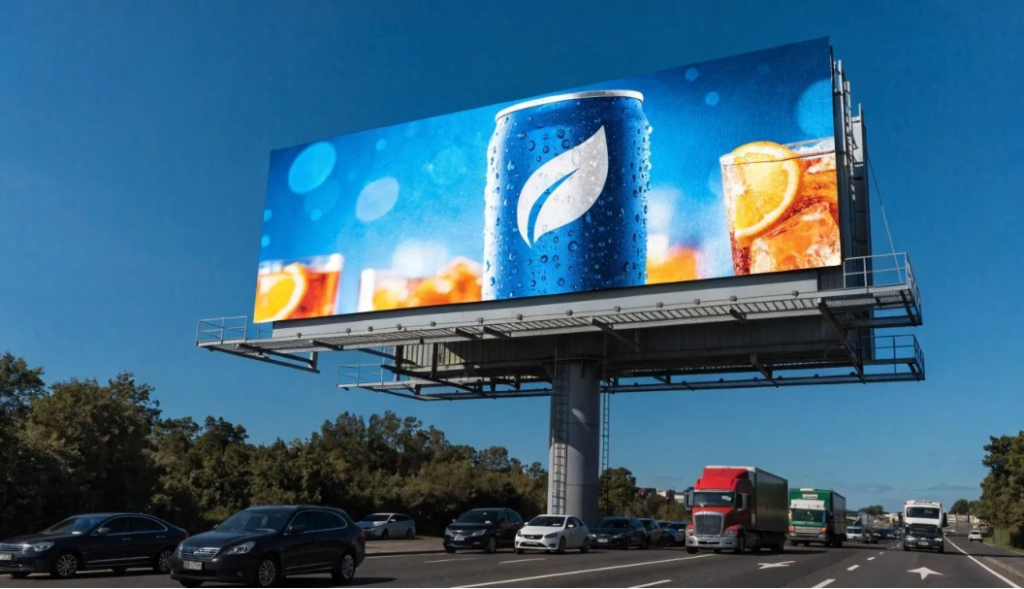
Outdoor LED billboards are engineered to withstand extreme weather, sunlight, and high-traffic visibility requirements. Costs vary significantly depending on size, resolution, and brightness. Smaller outdoor displays under 100 square feet may start at approximately $15,000, making them suitable for local streets or small business campaigns. Medium-sized billboards, ranging from 100 to 300 square feet, often cost between $50,000 and $100,000, offering balanced visibility and reach. Large outdoor installations exceeding 300 square feet can surpass $100,000, especially when using high-brightness modules and durable cabinets. Outdoor billboards also require more extensive structural support, weatherproofing, and electrical infrastructure, which adds to both upfront and operational costs. These installations are ideal for highways, city centers, and other high-traffic areas where maximum visibility is critical.
Indoor LED Billboards
Indoor LED displays are commonly found in shopping malls, airports, corporate lobbies, event venues, and exhibition halls. They differ from outdoor displays in that they do not require high brightness for sunlight visibility, but they demand higher resolution for close-range viewing. Small indoor panels can cost between $2,000 and $5,000, while large high-resolution video walls may exceed $50,000. When planning indoor installations, factors like viewing distance, pixel pitch, and ambient lighting play a significant role in cost and effectiveness. Indoor billboards are excellent for targeting shoppers, event attendees, and other captive audiences, providing a high level of engagement in controlled environments.
Rental and Temporary LED Billboards
Which are designed for short-term campaigns, events, trade shows, and seasonal promotions. Rental pricing depends on panel size, installation complexity, and duration of use. Small rental panels may cost $500–$1,500 per week, while larger setups for extended campaigns can exceed $10,000. These billboards provide flexibility for businesses to test locations, measure campaign effectiveness, and reach audiences without committing to permanent installation costs. Temporary displays are also valuable for event organizers and marketers who need high-impact visuals during limited periods, allowing them to maximize engagement while minimizing investment risk.
Specialty LED Billboards
Specialty LED billboards include double-sided, 3D, transparent, curved, and interactive displays that offer unique visual experiences. Costs for these displays are higher due to specialized engineering, custom materials, and advanced features. Prices often range from $50,000 to more than $200,000 depending on complexity and size. Specialty billboards can significantly enhance brand visibility, attract more attention, and provide interactive engagement opportunities for audiences. When used strategically, these advanced displays offer strong returns for campaigns that prioritize innovation and memorable visual impact. Businesses that invest in specialty billboards often benefit from increased advertising effectiveness and higher long-term revenue potential.

How Long Does a Digital Billboard Take to Become Profitable?
Many businesses wonder when their investment in a digital billboard will start generating returns. Profitability depends on location, traffic, audience demographics, and the types of advertising sold. A well-placed and managed LED billboard can start producing measurable revenue within months to a few years, depending on these factors.
Revenue Streams from Digital Billboards
Digital billboards generate income primarily through advertising. Companies can sell space to multiple advertisers, including local businesses, franchises, or national brands. Seasonal campaigns and sponsored content offer additional revenue opportunities. In high-traffic areas, premium rates per ad slot can significantly increase returns. Diversifying revenue streams helps ensure consistent cash flow and faster ROI.
Typical Payback Periods for Different Billboard Sizes
The expected payback period for a digital billboard depends on its size, location, and the revenue it generates. The following table summarizes typical timelines for small, medium, and large LED billboards:
| Billboard Size | Typical Investment Range | Estimated Payback Period | Key Considerations |
| Small (<100 sq.ft) | $15,000 – $50,000 | 12–18 months | High turnover of local ads, lower upfront cost, suitable for close-range visibility |
| Medium (100–300 sq.ft) | $50,000 – $100,000 | 18–36 months | Balanced reach and cost, ideal for medium traffic locations |
| Large (>300 sq.ft) | $100,000+ | 3–5 years | Long-term investment, high exposure, suitable for major highways and city centers |
These payback periods are estimates and can vary based on traffic, ad pricing, occupancy rates, and operational efficiency. Choosing the right size and location is crucial to accelerating ROI.
Strategies to Accelerate Profitability
To maximize revenue and shorten the payback period for a digital billboard, consider the following strategies:
- Optimize Ad Occupancy: Ensure that all available ad slots are consistently sold to maintain steady income.
- Set Competitive Pricing: Adjust rates based on location, audience size, and peak times to attract high-value advertisers.
- Choose High-Traffic Locations: Position your billboard where visibility is highest, such as highways, shopping districts, or city centers.
- Use Analytics to Improve Campaigns: Track engagement and adjust content or pricing strategies to maximize advertiser ROI.
- Maintain Visual Appeal: Regular cleaning, timely repairs, and software updates keep the display attractive and reduce downtime.
- Offer Diverse Revenue Streams: Combine long-term contracts, seasonal promotions, and event-specific campaigns to boost overall earnings.
Cost Summary Table and Practical Examples
Understanding LED billboard costs is easier when you see typical ranges and examples. The table below summarizes common investments for different types of billboards:
| Billboard Type | Size Range | Typical Cost Range | Notes |
| Small Outdoor LED Billboard | <100 sq.ft | $15,000 – $50,000 | Suitable for local streets or small businesses |
| Medium Outdoor LED Billboard | 100–300 sq.ft | $50,000 – $100,000 | Balanced visibility and investment for urban areas |
| Large Outdoor LED Billboard | >300 sq.ft | $100,000+ | High exposure locations like highways or city centers |
| Indoor LED Display | Varies | $2,000 – $50,000 | Shopping malls, airports, events; high resolution important |
| Rental/Temporary LED Billboard | Varies | $500 – $10,000/week | Ideal for short-term events or seasonal campaigns |
| Specialty LED Billboard | Varies | $50,000 – $200,000+ | Double-sided, 3D, transparent, or interactive installations |
Practical Examples:
A small outdoor billboard for a local coffee shop may cost around $20,000 and recoup its investment within a year if ad occupancy is high.
A medium-sized digital billboard in a busy urban location could cost $75,000 and take 18–36 months to become profitable, depending on advertising demand.
A large specialty 3D LED billboard in a city center may exceed $150,000 but can generate significant attention and long-term revenue, especially with multiple advertising partners.
These examples illustrate how size, location, and features impact both cost and ROI, helping businesses plan realistic budgets and expectations.

Conclusion
Investing in an LED billboard can transform your advertising strategy by delivering vibrant, dynamic visuals that capture attention. Costs vary widely depending on hardware quality, size, installation, operational expenses, and additional features, so understanding these factors is essential for making informed decisions. Proper planning ensures your billboard achieves maximum impact while staying within budget.