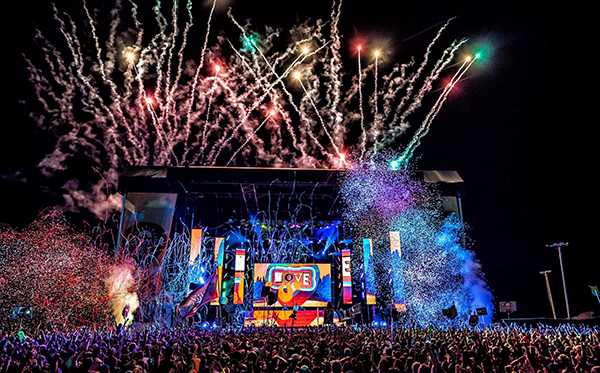
Fixed vs Rental LED Displays: How to Choose the Best Option
Introduction
When planning an LED screen project, one of the most common questions is simple—but important:
Should you choose a rental LED display or a fixed LED display?
At first glance, they may look very similar. Both are modular LED video walls, both deliver high brightness and vivid visuals. However, in real-world applications, they are designed for completely different purposes.
Choosing the wrong type can lead to unnecessary costs, complicated installation, or even performance issues over time. That’s why understanding the difference is essential before making a decision.
Rental LED Display vs Fixed LED Display: Quick Answer
If you’re looking for a quick conclusion:
- A rental LED display is best for temporary use, such as events, concerts, exhibitions, or touring productions.
- A fixed LED display is designed for permanent installation, such as retail advertising, outdoor billboards, or stadium screens.
This simple distinction—temporary vs long-term use—is the key factor behind most decisions. But to make the right choice, it’s worth looking a bit deeper.
What Is a Rental LED Display?
A rental LED display is specifically designed for projects that require frequent setup and dismantling. Instead of being installed once and left in place, these screens are built to be used repeatedly across different locations. If you’re new to this type of solution, you can first understand what a rental LED display is and how it works.
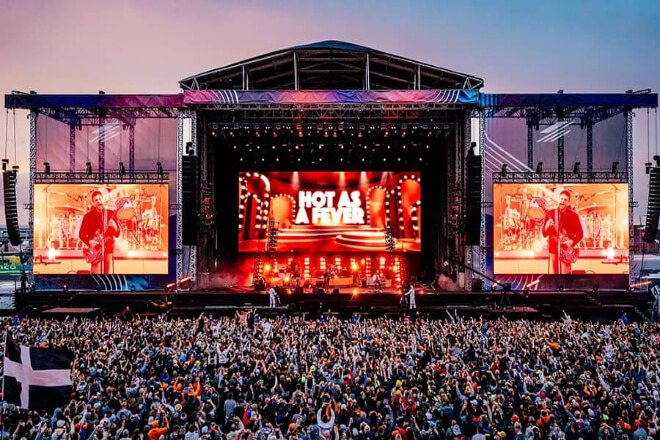
It is commonly used in:
- Concerts and live events
- Exhibitions and trade shows
- Corporate events and conferences
- Stage productions and touring setups
What all these scenarios have in common is that the screen is only needed for a limited time, but it must be installed quickly and perform reliably.
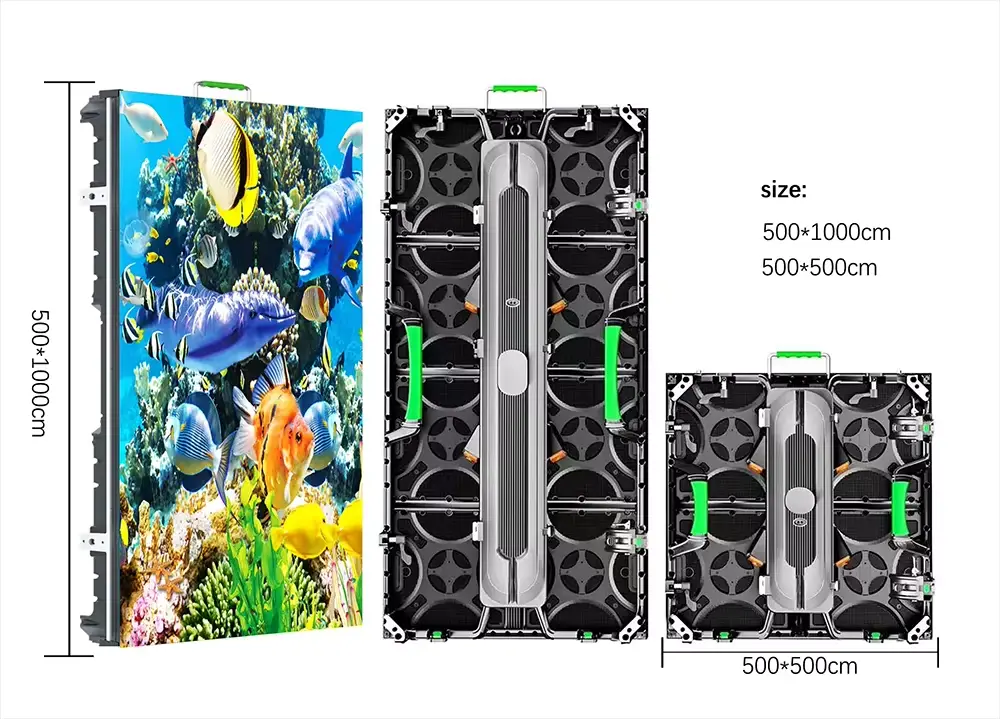
From a technical perspective, rental LED cabinets are usually made from lightweight die-cast aluminum and feature quick-lock systems. This allows technicians to assemble large video walls in a matter of hours rather than days.
Just as importantly, the modular design makes it possible to create not only flat screens, but also curved or more creative shapes depending on the event design.
For businesses that operate in the events industry, this flexibility is not just convenient—it’s essential.
What Is a Fixed LED Display?
A fixed LED display (also called a permanent LED display) is built for long-term installation. Once installed, it typically stays in place for years.
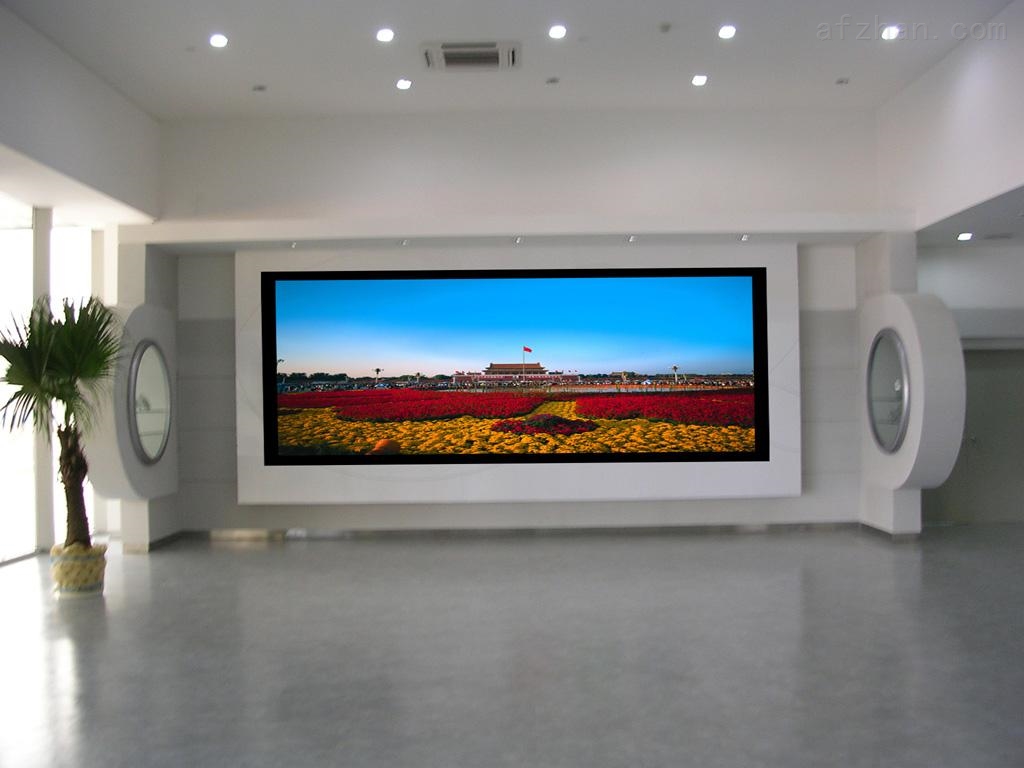
Common applications include:
- Retail store displays
- Shopping mall advertising screens
- Outdoor billboards
- Stadium and arena displays
- Control rooms and command centers
Unlike rental screens, fixed LED displays are designed with durability and stability in mind. The structure is often heavier and more robust, and the system is optimized for continuous operation—sometimes running 24/7.
While installation takes longer, the benefit is a stable, low-maintenance solution over time.
Rental LED Display vs Fixed LED Display: Key Differences
To get a clear overview, here’s a direct comparison:
| Feature | Rental LED Display | Fixed LED Display |
| Installation | Fast, temporary | Permanent, more complex |
| Cabinet Design | Lightweight, modular | Heavier, robust |
| Flexibility | High (curved, creative shapes) | Limited |
| Cost Structure | Lower upfront, recurring use cost | Higher upfront, long-term value |
| Maintenance | Frequent handling | Stable, less frequent |
| Use Case | Events, staging, exhibitions | Advertising, long-term display |
While the table provides a quick summary, the real difference becomes clearer when you look at how these factors affect actual use.
Installation and Setup
Rental LED displays are built for speed. Thanks to quick-lock systems and standardized cabinet sizes, a large screen can often be assembled and dismantled within a single day. This is critical for events where setup time is limited.
Fixed LED displays, on the other hand, require a more involved installation process. This may include mounting structures, wiring, and calibration, which can take significantly longer depending on the project scale.
Flexibility
Flexibility is one of the biggest advantages of rental LED screens. They can be reconfigured for different events, whether that means a flat backdrop, a curved stage screen, or a more creative structure, such as our us Series Stage Rental LED Screen.
In contrast, fixed LED displays are usually installed in a single configuration. Once in place, they are rarely changed, which makes them better suited for stable, long-term applications.
Cost Structure
The cost difference is not just about price—it’s about how the cost is distributed over time.
Rental LED displays typically require a lower initial investment, but they may involve repeated costs related to transportation, setup, and labor. Fixed LED displays require a higher upfront investment, yet they often provide better long-term value when used continuously.
Maintenance and Durability
Because rental LED screens are frequently assembled, transported, and reused, they are designed to withstand physical handling. Durability here is focused on impact resistance and ease of replacement.
Fixed LED displays, however, are designed for stability over long periods. Once installed, they generally require less frequent maintenance, especially if the environment is well controlled.
Rental vs Fixed LED Display: Cost Comparison
Cost is often one of the deciding factors, but it’s important to look beyond the initial price.
With rental LED displays, the upfront investment is relatively manageable. However, over time, additional costs can accumulate—especially for transportation, labor, and repeated installation.
For example, a medium-sized event LED screen may cost around $3,000–$10,000 per use, depending on screen size, pixel pitch, and service scope. If used frequently, these costs can add up quickly.
Fixed LED displays, in contrast, require a larger initial budget. This includes not only the screen itself but also the supporting structure and installation work.
In many cases, a permanent LED installation can range from $20,000 to $50,000 or more, depending on the project scale and technical requirements.
The advantage is that, once installed, the ongoing costs are typically lower, making them more economical for long-term use.
If you are evaluating budgets in detail, it’s worth comparing both the short-term and long-term cost scenarios rather than focusing on a single number.
If you want a more detailed breakdown of pricing, you can also check our rental LED display cost guide for a closer look at different project scenarios.
When Should You Choose a Rental LED Display?
A rental LED display makes the most sense when your project involves temporary use or frequent changes.
For example, in concert production, screens need to be installed quickly, deliver strong visual impact, and then be dismantled immediately after the event. The same applies to exhibitions, where booth designs often change and flexibility becomes a key requirement.

Corporate events and product launches also benefit from rental solutions, as they typically require high-quality visuals without permanent installation.
In these situations, choosing the right screen configuration is just as important as the display itself. Many event organizers prefer using rental LED display solutions designed for fast setup and flexible layouts. Depending on the environment, you may also need to consider whether an indoor rental LED display or an outdoor rental LED screen is more suitable for your application.
In short, if your project requires mobility, fast setup, and adaptable screen design, a rental LED display is usually the better choice.
When Should You Choose a Fixed LED Display?
A fixed LED display is the better option when the screen is intended to stay in one place and operate over a long period.
Retail environments are a good example. Stores and shopping malls rely on continuous visual communication, which makes a stable, permanently installed LED display more suitable. Outdoor billboards follow the same logic, where durability and consistent performance are essential.
Stadiums and large venues also require permanent LED installations that can operate reliably for years. In these cases, investing in a fixed LED display ensures long-term performance and better return on investment.
If your goal is continuous operation rather than temporary use, a fixed LED display is generally the smarter choice.
Technical Differences Between Rental and Fixed LED Displays
Beyond application scenarios, the differences between rental and fixed LED displays are mainly reflected in their engineering design and structural details.
To make this clearer, here’s a simplified comparison:
| Technical Aspect | Rental LED Display | Fixed LED Display |
| Cabinet Material | Die-cast aluminum (lightweight) | Steel / reinforced aluminum (heavier) |
| Lock System | Quick-lock design for fast setup | Screw-fixed or permanent mounting |
| Installation Time | Hours | Days to weeks |
| Maintenance | Fast module replacement | Front or rear maintenance |
| Protection Level | Balanced (portable + durable) | Higher IP rating for outdoor use |
These technical differences are the main reason why many users compare rental LED display vs fixed LED display when planning their projects.
Real-World Example: Cabinet Design Differences
In real applications, the difference becomes even more obvious when you look at the cabinet structure.
A typical rental LED cabinet is designed with quick-lock systems on the sides, allowing technicians to connect panels quickly without tools. The frame is lightweight, making it easier to transport and assemble for events.
In contrast, a fixed LED cabinet is usually more rigid and installed with screws or mounting structures. It prioritizes stability over speed, which is essential for long-term installations such as outdoor advertising or building facades.
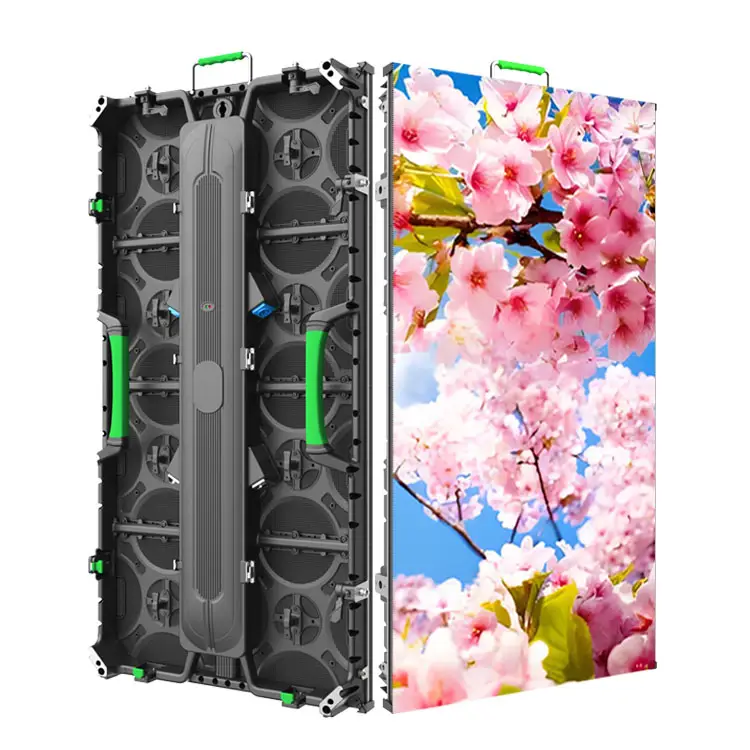
This is also why rental LED displays are widely used in concerts and touring events, while fixed LED displays are more common in permanent installations.
Rental LED Display vs Fixed LED Display: How to Choose
If you’re still unsure which option fits your project, the decision can usually be simplified by focusing on how the screen will be used.
If your work involves events, touring setups, or situations where the screen needs to be installed and removed frequently, a rental LED display will provide the flexibility and efficiency you need.
On the other hand, if the screen is intended for continuous operation in a fixed location—such as advertising, branding, or public information—a fixed LED display will deliver better long-term value and stability.
In many cases, companies actually use both solutions for different purposes, depending on the scenario.
Conclusion
Choosing between a rental LED display vs fixed LED display ultimately comes down to one key question:
Is your project temporary or permanent?
- For events, exhibitions, and flexible setups → Rental LED display
- For long-term advertising and installations → Fixed LED display
Making the right choice not only affects your budget, but also impacts installation efficiency, maintenance, and overall performance.
If you’re planning a project and still unsure which solution fits your needs, it’s always a good idea to evaluate your usage frequency, installation environment, and long-term goals before making a decision.