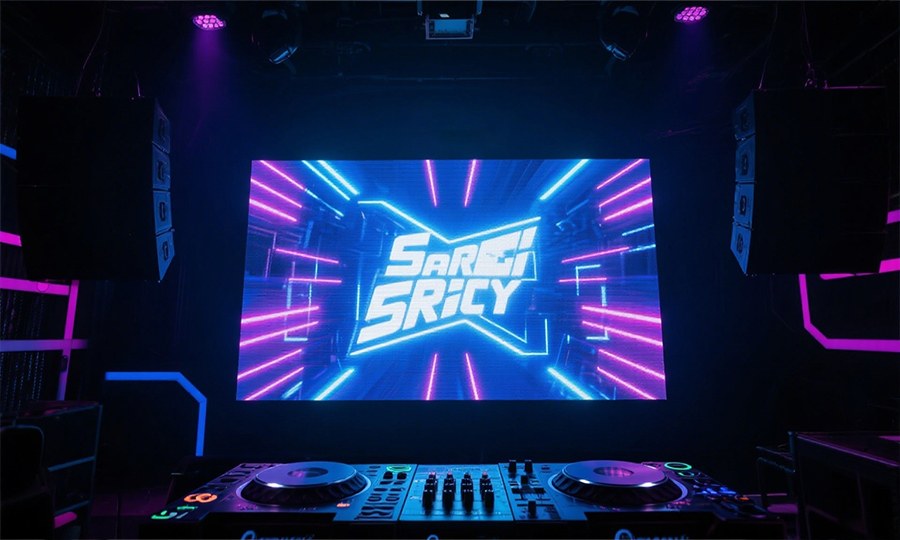
Full Analysis of Stage LED Display
Introduction
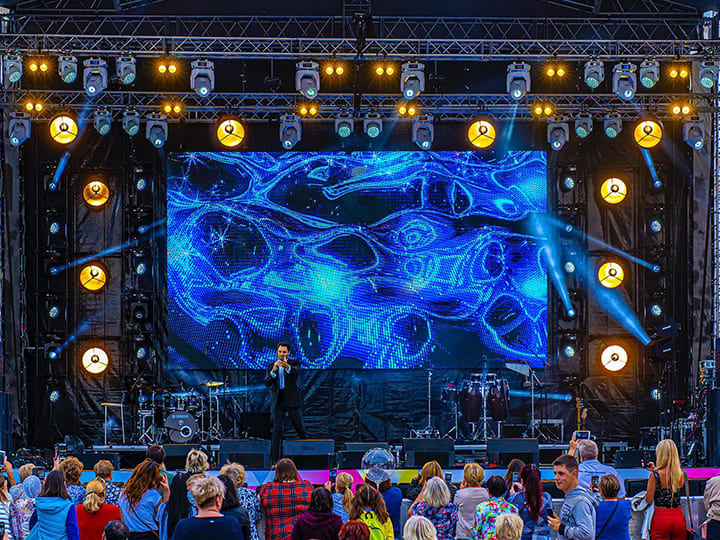
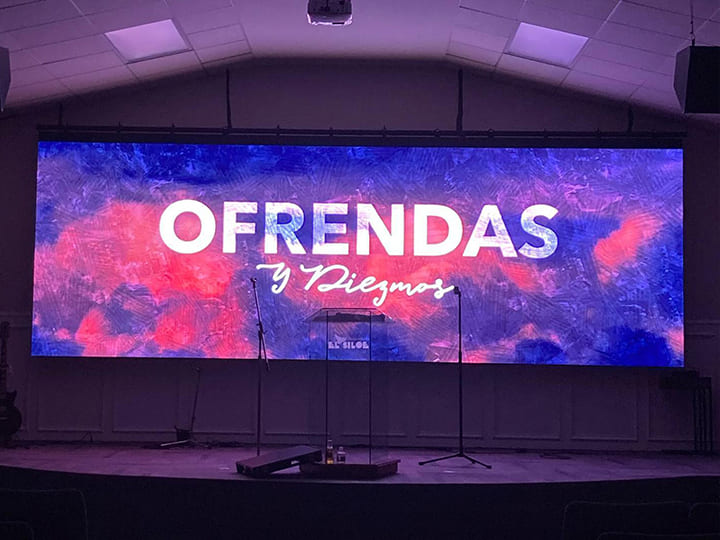
A stage LED display is essentially a large screen placed at the back of a stage that can play videos or show an image, acting as an adjustable digital backdrop. These displays provide an eye-catching wide viewing experience, maximizing the visual impact of any concert, theater production, or live event.
Stage LED displays are revolutionizing the way we present visual content at concerts, theaters, and live performances. From vibrant colors to dynamic videos, these displays can transform any stage into a captivating spectacle. In this article, I will guide you to explore everything you need to know about stage LED displays and why they are a must-have for event planners and performance holders.
Common Types and Comparisons of Stage Displays
· LED Screens: These are versatile and can be used to create large, bright displays that are perfect for concerts, festivals, and other events where visibility is key. LED panels can be customized in various sizes and shapes.
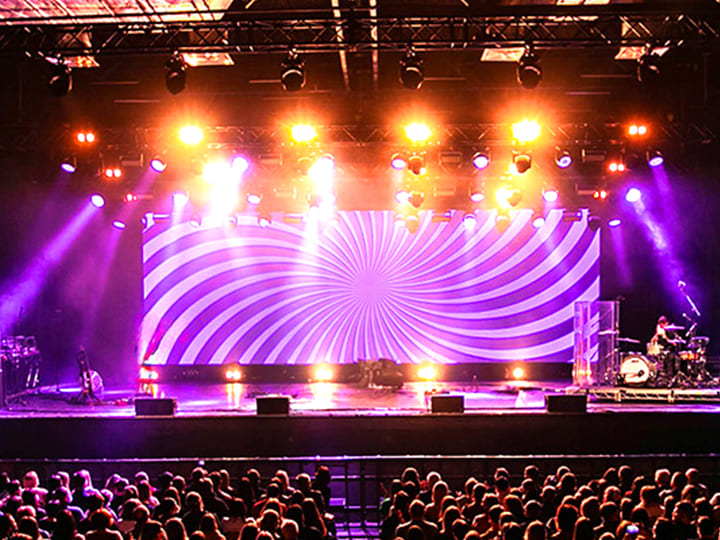
· Projection Screens: Used for projecting videos or images, these screens are ideal for both indoor and outdoor settings. They require a projector and can be front or rear projected.
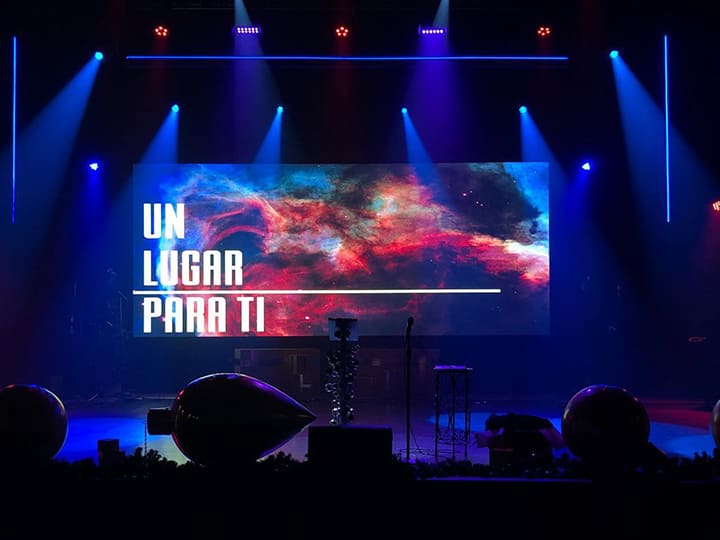
· LCD Screens: Commonly used for smaller or indoor venues, LCD screens offer high-resolution display options suitable for detailed visual presentations.
Here is a table stating the comparisons among these three stage displays.
| Feature | Projector Screen | LCD Screen | LED Screen |
|---|---|---|---|
| Brightness | Dependent on ambient light | Moderate brightness | High brightness |
| Contrast | Medium | Good | Very high |
| Installation | Professional setup required | Wall mount or stand | Flexible installation |
| Cost | Low initial, high maintenance | Moderately priced | High initial, cost-effective long-term |
| Suitability | Indoor dark rooms like classrooms and meeting rooms | Offices and shops | Outdoors and bright environments |
Which Is Better for Video Walls, a Projector, LED or LCD?
If factors like color uniformity, brightness consistency, and overall image quality are your top priorities, then LED displays are the superior choice. They offer exceptional image clarity and brightness compared to LCD panels, which may not meet the same high standards in these areas.
Benefits of Applying Stage LED Displays
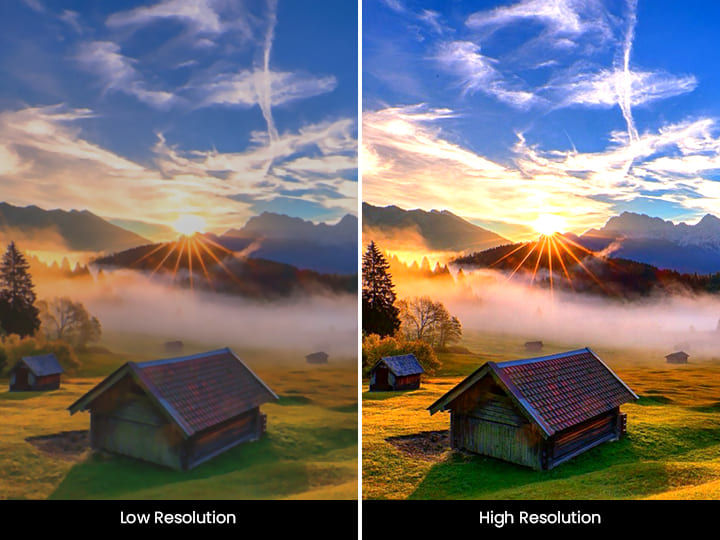
High-resolution
Stage LED displays offer high-resolution imagery, ensuring every detail is crisp and clear. This clarity is crucial for large venues, making them ideal for concerts, theatrical performances, and corporate events. High-resolution displays showcase intricate graphics, videos, and live feeds with remarkable precision, elevating the overall impact of your event.
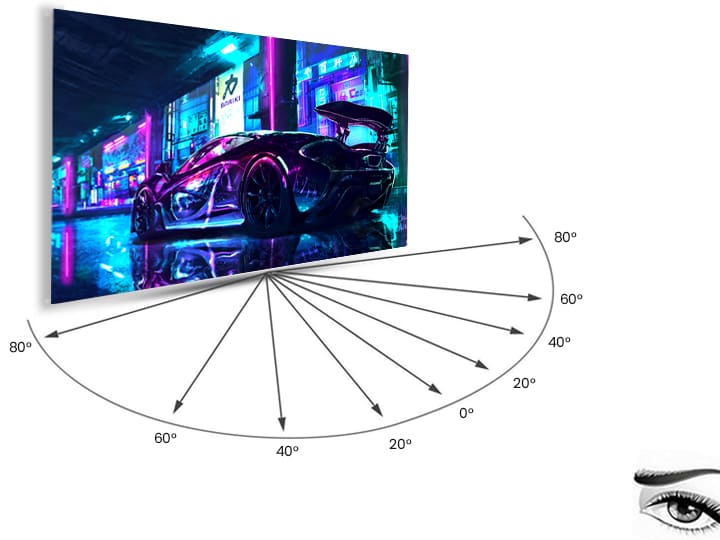
Super-wide Viewing Angle
A key feature of stage LED displays is their super-wide viewing angle. Unlike conventional screens, LED displays maintain their brilliance and clarity from all viewing positions. This ensures every attendee enjoys the same high-quality visual experience, making your message or performance impactful for everyone, regardless of their seat.
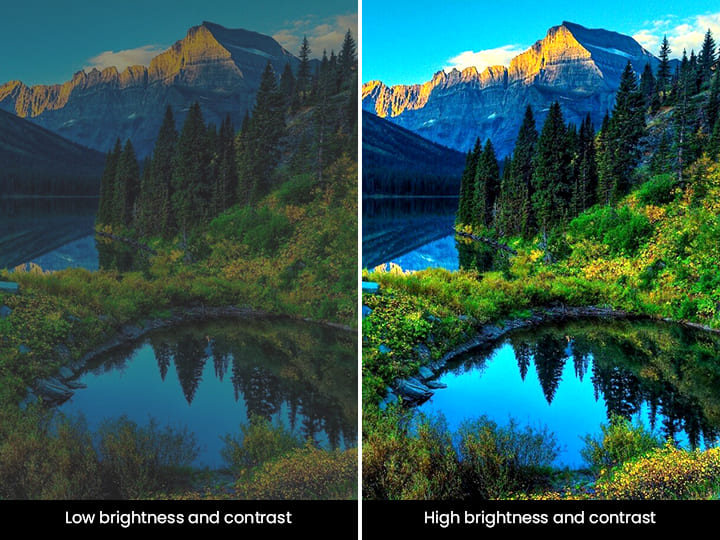
Enhanced Brightness and Contrast
LED displays provide superior brightness and contrast levels, ensuring vibrant and easily visible visuals even in well-lit environments or during daytime events. The high contrast ratio enhances image depth and richness, making your content more engaging and impactful.
Cost-Effective Maintenance
LED displays require less frequent servicing and have fewer components that can fail, making maintenance more cost-effective compared to other display technologies. This reduces downtime and maintenance costs, ensuring your displays remain operational and deliver high-quality visuals throughout their lifespan.
Customization Options
LED displays can be customized to fit specific dimensions and shapes required for your stage setup. Whether you need a large, panoramic screen or multiple smaller displays in a unique configuration, LED technology allows for bespoke solutions tailored to your event’s aesthetic and functional needs.
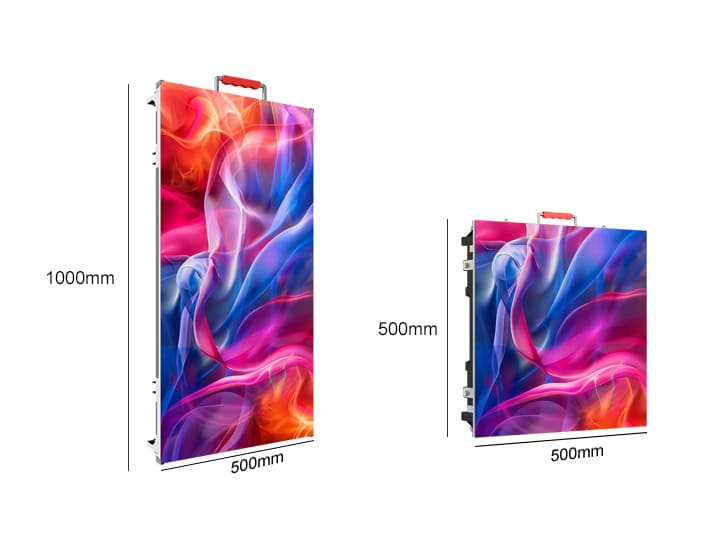
What Size is the Stage LED Display?
For different scales of stage settings, different sizes of stage LED screens are needed. Here’s a table for your reference.
| Venue Type | Event Scale | Recommended LED Display Size | Example Events |
|---|---|---|---|
| Indoor Venues | Small to Medium Events | 4m x 3m | Small Corporate Gatherings, Concerts |
| Large Events | 6m x 4m | Major Conferences, Large Music Concerts | |
| Outdoor Venues | Medium Events | 8m x 5m | Outdoor Markets, Community Festivals |
| Large Events & Festivals | 12m x 7m | Major Music Festivals, Large Public Gatherings |
Indoor and Outdoor Stage LED Screen
When selecting a stage LED screen, it’s important to understand the factors influencing prices, especially regarding indoor and outdoor applications. The table below outlines key considerations for both types of screens.
| Factor | Indoor LED Screens | Outdoor LED Screens |
|---|---|---|
| Resolution | Higher resolution needed | Lower resolution needed |
| Pixel Pitch | Smaller pixel pitch for clearer, more detailed images | Larger pixel pitch is sufficient due to greater viewing distance |
| Price | Higher due to higher resolution requirements | Generally lower, but influenced by durability and brightness |
| Viewer Distance | Closer, requiring finer detail | Further, allowing for less detail |
| Additional Factors | – | Weather resistance and brightness requirements |
LED Screen for Stage Rental and Sale
Renting an LED screen for your stage event can be a cost-effective solution, especially for one-time events or short-term usage. Rental services offer flexible options, including delivery, setup, and technical support, ensuring a hassle-free experience for event planners.
If you frequently host events, purchasing a stage LED display might be more economical in the long run. Owning your LED screen allows for customization and consistent quality across all your events.
Installation Methods of LED Stage Screen
For stage LED displays, there are several common installation methods tailored to meet various needs and venue conditions:
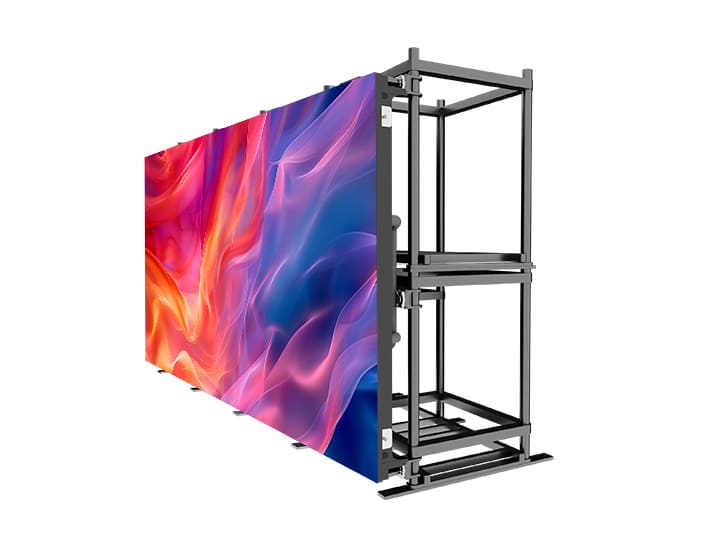
1. Bracket Installation
Bracket installation is a versatile method for setting up LED stage screens, ideal for venues requiring flexibility. It involves attaching custom or standard brackets to LED panels, allowing secure mounting on various surfaces like walls and ceilings.
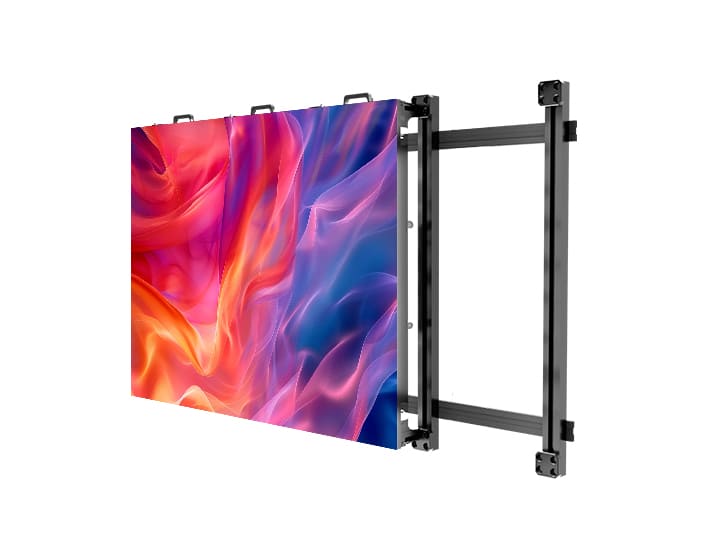
2. Wall-Mounted Installation
Wall-mounted installations are used in smaller spaces where high visibility is required. The display is fixed to the wall using hooks or brackets, commonly found in shopping malls, hotel lobbies, and corporate foyers.
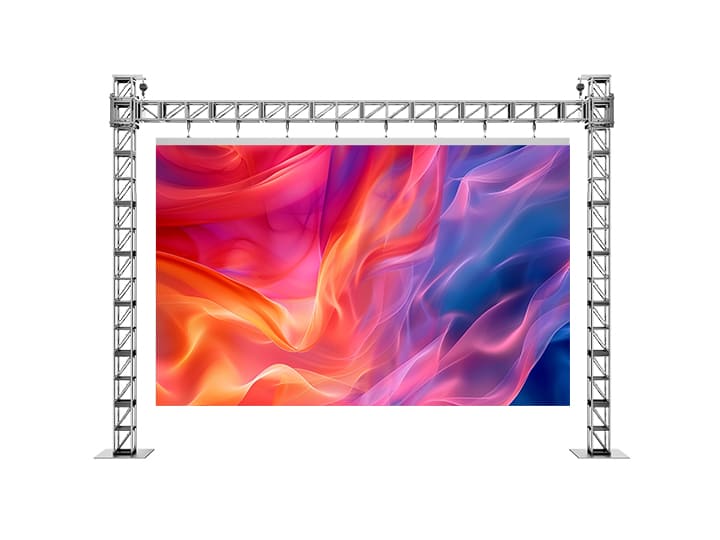
3. Hanging Installation
Hanging installations are suitable for large stages and areas where the display needs to be viewed from above. The screen is suspended using trusses and steel cables, typically employed at large concerts, sports events, and exhibitions.
4. Curved Installation
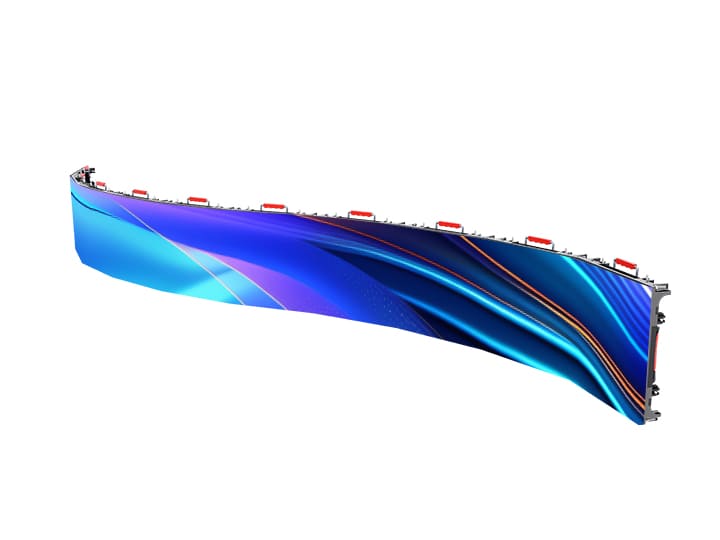
Curved installation involves mounting the LED display in a curved or circular arrangement, enhancing the visual impact for creative displays and special effects on stage. This method adds a dynamic and immersive element to the viewing experience.
Conclusion
Stage LED displays are an essential tool for modern event planning, offering unparalleled visual quality and versatility. Whether you’re renting or purchasing them, these screens can elevate your events and leave a lasting impression on your audience. Investing in stage LED displays ensures your events stand out, creating memorable experiences for all attendees. If you have other questions, feel free to contact us through our website!