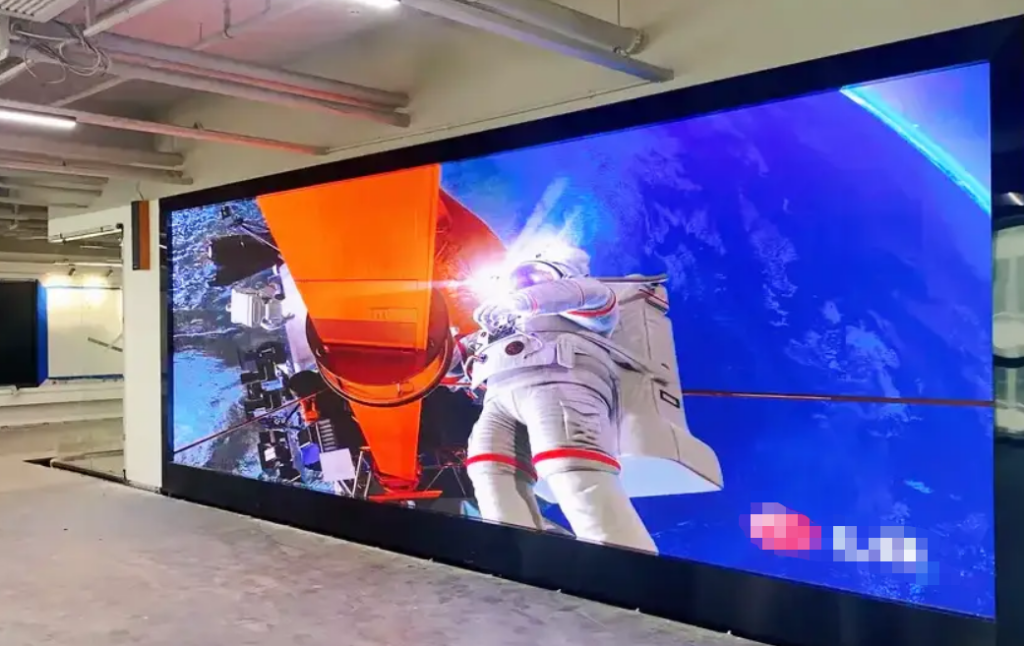
Let exhibits bloom: a new chapter in museum LED light and shadow art
This article delves into the use of museum display panels to elevate exhibitions, making them more interactive and visually engaging. It covers a range of display options, from traditional static panels to advanced LED display screens, and provides practical advice on how to make a museum display. Whether you’re looking to showcase digital art, create a public display in a museum, or simply enhance the visual appeal of your exhibit, this guide offers actionable insights.
The article also discusses how indoor LED museum displays can transform the museum experience, offering enhanced storytelling and deeper visitor engagement through modern technology.
1. What are Museum Display Panaels?

Museum LED panels are fine-pixel indoor LED walls designed for galleries and exhibits. They deliver color-true, low-glare visuals, wide viewing angles, and whisper-quiet operation—ideal for digital art, timelines, and interactive displays.
Museum display panels are a fundamental part of contemporary exhibitions, serving as a platform to present artifacts, artworks, and other objects of cultural, historical, or scientific significance. These panels come in a variety of forms, ranging from traditional frames or display cases to more sophisticated LED screens that offer interactive, dynamic experiences. The purpose of these panels is not just to protect and display objects but also to enhance the viewer’s experience, making exhibitions more engaging and informative.
A museum display can be referred to in several ways depending on its form. It might simply be called a “showcase,” especially when referring to glass cases for preserving items. However, modern museum displays are increasingly turning to digital solutions, such as LED display screens, which offer high-resolution visuals that are ideal for showcasing digital art, videos, or other multimedia presentations.
Historically, museum displays have evolved significantly, from simple object protection cases to complex setups incorporating advanced technologies. Today, many museums use indoor LED systems that integrate multimedia content, transforming the visitor experience by providing vibrant visuals and interactive storytelling. These innovations not only make museums more accessible but also help visitors engage more deeply with exhibits, bringing educational content to life in exciting new ways.
| Feature | LED Wall | LCD Video Wall | Projector |
|---|---|---|---|
| Bezels/Seams | Seamless | Visible bezels | Seamless |
| Brightness | High (600–1200 nits indoor) | Medium | Strongly affected by ambient light |
| Contrast/Black | Excellent | Good | Depends on screen/room |
| Footprint | Shallow cabinet depth | Shallow | Requires throw distance |
| Maintenance | Modular tiles | Panels | Lamps/filters |
| Noise | Fanless options | Low | Often higher fan noise |
| Cost | $$–$$$ | $$ | $–$$ (but higher upkeep) |
2. How to Create a Museum Display
Creating a museum display requires a balance of storytelling, design, and technology. Whether showcasing historical artifacts or interactive experiences, there are key steps to follow:
Step 1: Define Your Purpose
Before you begin, it’s crucial to define the goal of your display. Whether you’re telling a historical narrative, displaying art, or offering an interactive experience, your choice will guide the design process.
Step 2: Select the Right Technology
For traditional physical artifacts, consider traditional showcases. However, to showcase digital content, an LED display screen for museums can significantly enhance visuals. Indoor LED museum display options provide high-quality images and videos, making them perfect for displaying digital art or presenting historical data.
Step 3: Design for Engagement
Consider how visitors will interact with the display. For a public display in a museum, ensure the layout allows for easy access and interaction. Combine museum display panels with touchscreens to offer a more immersive experience.
Step 4: Curate Content
Curating content is key. High-resolution photos and descriptions work best for historical artifacts. For interactive displays, think about multimedia content, dynamic data, and immersive visual storytelling, all of which museum display panels can deliver effectively.
Step 5: Assemble the Display
Once the design and content are ready, assemble your display with care. Ensure that the technology is seamlessly integrated into the exhibit. For example, position an LED display screen for museums in a well-lit space to enhance visibility and impact.
By following these steps, you can create a compelling museum display that captivates visitors, combining art, history, and cutting-edge technology.
Incorporating advanced solutions like rental LED screens can elevate your exhibit. Whether you’re showcasing art, artifacts, or creating an interactive experience, Royal Display offers high-quality LED display panels tailored to your museum’s needs. Their flexible rental LED screens seamlessly integrate into any museum setting, providing vibrant visuals and long-term durability. Consider Royal Display for impactful, dynamic museum displays.
- Glare control: tilt screens 20–40° or use low-gloss masks; avoid facing windows.
- Sightline: center of content at 1.4–1.6 m; adjust for children’s galleries.
- Playback: ≥3840 Hz; lock content frame rate to 23.98/25/29.97 as needed.
- Accessibility: captions, audio-description toggle, large-type mode.
- Noise: specify fanless or <25 dB cabinets; externalize PSUs in quiet rooms.
3. Types of Museum Display Panels
Museum display panels are key to creating an engaging experience for visitors. These panels can vary depending on the nature of the exhibit and the intended interaction. Here’s a guide to different types of display panels you can incorporate:

(1) Traditional Display Panels
Traditional museum displays often rely on static panels for simple presentations. These panels are effective for showing text or physical artifacts. They’re especially suitable for more historical exhibits, providing a straightforward way to present information without any digital interaction.
(2) Digital Museum Display Panels
A museum display that incorporates digital technology can transform a space. LED display screens for museums allow for high-quality, vibrant visuals to showcase videos, digital artwork, and large-scale images of historical artifacts. Whether for educational purposes or to create an immersive environment, these displays offer greater flexibility in terms of content. Indoor LED museum displays are ideal for use inside galleries where controlled lighting can bring out the best in vibrant colors.


(3) Interactive Museum Display Panels
For a more hands-on approach, interactive museum display panels allow visitors to engage with the content directly. These could be touchscreen panels that display additional information, videos, or interactive graphics. If you’re looking to create an engaging public display in a museum, these panels are an excellent choice. They allow for deeper exploration of exhibits and can cater to various learning styles.
(4) Flexible and Curved Panels
Sometimes, museum spaces require display panels that can bend and shape to the environment. Museum display panels with flexible or curved designs can fit into non-traditional spaces, allowing for dynamic displays. These panels are particularly useful for creating large-scale exhibits that require an unconventional layout.
(5) Transparent Display Panels
Another exciting option for museums is transparent LED display screens, which can be used for showcasing content on glass surfaces. This design is perfect for creating displays that maintain visibility of the surroundings while still conveying important information or artwork. These panels are frequently used in modern museums, offering an innovative and sleek way to display digital content without obstructing the view.
By understanding the various types of museum display panels, you can tailor the exhibit experience to suit different themes and settings. Whether you aim to create a traditional, interactive, or digital experience, the right panel can significantly enhance your museum’s ability to engage visitors and bring exhibits to life.
4. Benefits of Using LED Display Panels in Museums
LED display panels offer significant advantages over traditional museum displays, creating visually compelling and interactive experiences. Here’s why incorporating LED technology can revolutionize a museum:
(1) Enhanced Visual Appeal
A museum display becomes more immersive with high-definition LED display screens for museums. They bring exhibits to life with vibrant colors and dynamic content, making them stand out in exhibitions.
(2) Energy Efficiency and Sustainability
LED panels are energy-efficient, which makes them cost-effective in the long run. They also have a longer lifespan than traditional displays, contributing to sustainability in the museum industry.
(3) Interactive Experiences
For a public display in a museum, interactive LED panels allow visitors to engage with exhibits, transforming passive observation into active learning. This creates memorable and educational experiences.
(4) Versatility and Flexibility
From indoor LED museum displays to flexible and curved designs, LED panels adapt to various exhibit formats, whether for showcasing art, historical data, or interactive multimedia presentations.
(5) Easy Content Management
With LED panels, content can be easily updated or changed. Museums can dynamically alter the information, ensuring that the museum display panels stay fresh and relevant throughout the year.
Incorporating LED display panels into your exhibits not only enhances visual impact but also provides an interactive, energy-efficient, and sustainable solution to modernize museum experiences. Whether it’s a simple exhibit or a public display in a museum, LED technology offers endless possibilities for creating engaging environments.
5. Application of Museum Display Panels
LED display screens for museums and interactive museum screens turn static galleries into dynamic, fine-pixel experiences with low glare and museum-quiet operation. Museum display panels enhance how museums present art and history, offering dynamic and interactive experiences. LED display screens for museums provide high-definition visuals that transform traditional exhibits into engaging digital displays, perfect for both temporary and permanent collections.
(1) Digital Art and Interactivity
Museum display panels enable the presentation of digital art, turning static pieces into interactive exhibits. Visitors can engage with content, triggering animations and changing artwork based on interaction.
(2) Historical Artifacts
For historical displays, LED display screens for museums show detailed images and 3D models, helping visitors connect more deeply with artifacts. Indoor LED museum displays are especially effective in presenting complex historical data and timelines.
(3) Temporary Exhibitions and Events
In temporary exhibits or special events, museum display panels offer flexibility and adaptability. LED display screens for museums are ideal for dynamic content updates, live feeds, and large-format video displays.
(4) Interactive Learning
In educational settings, museum display panels serve as interactive tools, offering simulations and quizzes that enhance visitor learning. These panels are particularly valuable in science and children’s museums.

(5) Large-Scale Public Displays
For major exhibitions, a public display in a museum can benefit from LED display screens for museums, creating impactful visual focal points that guide and inform visitors.
LED display screens for museums and museum display panels are transforming how museums display art and history. These technologies provide flexibility, clarity, and interactivity, offering museums the tools they need to create immersive, engaging experiences for visitors.
6. How to Choose the Right Display Panel for Your Museum
Selecting the perfect display panel for your museum is crucial to creating an engaging and informative experience. Here’s a guide on how to make the right decision:
(1) Define Your Needs
Ask yourself: “What is the purpose of the display?” If it’s a public display in a museum, consider interactivity with museum display panels. For digital art or multimedia, an LED display screen for museums might be the best option.
(2) Assess the Space
Take into account the physical space available. Indoor LED museum displays work well in controlled environments, while flexible panels can be shaped for unique spaces.
(3) Consider Budget and Lifespan
For permanent exhibitions, a durable and cost-effective solution is important. Museum display panels offer long-term value, and LED technology ensures efficiency and reliability.
(4) Evaluate the Exhibit Type
If you’re showcasing historical artifacts, traditional display methods might suffice. However, for dynamic exhibits or interactive displays, opt for digital solutions like LED display screens for museums.
(5) Plan for Content Flexibility
Will your exhibit content change frequently? If so, how to create a museum display with easily updatable panels is essential. Look for museum display panels that support easy content management and changes.
By understanding your museum’s needs and budget, you can choose the best museum display panel that fits your exhibition goals, whether interactive or static, traditional or digital.
7. The Future of Museum Display Panels
Museum display panels are advancing through modern innovations, turning traditional exhibits into visually engaging and dynamic presentations. LED display screens for museums are now integral for showcasing vibrant visuals, offering solutions for both static and interactive content. AR/VR innovations enable visitors to engage deeply with history and art, offering virtual perspectives that boost interaction. AI-powered displays adjust content based on user input, delivering customized information for each visitor.
As museums adapt, technologies like indoor LED museum displays pave the way for sustainable, flexible setups. Future trends will redefine how to make a museum display, emphasizing creativity and innovation.
8. Conclusion
Museum display panels are key to transforming exhibits into engaging, informative experiences. With the use of LED display screens, museums can present both physical artifacts and digital artworks in visually striking ways. These panels go beyond mere decoration, offering visitors a chance to interact with the content, deepening their connection to the exhibits.
Choosing the right display system, such as indoor LED museum displays, is crucial for maximizing the exhibit’s impact. These advanced panels provide high-quality, dynamic visuals that bring each display to life. By integrating technology in this way, museums create an immersive environment that attracts and educates visitors. Whether showcasing a historical collection or modern digital art, the right display panel enhances the storytelling and overall atmosphere, leaving a lasting impression on visitors.
Incorporating interactive elements through LED panels also fosters a more personalized experience, encouraging exploration and engagement with the exhibit content. This combination of visual appeal and interactivity helps museums create memorable, impactful exhibitions that resonate with visitors long after they leave.