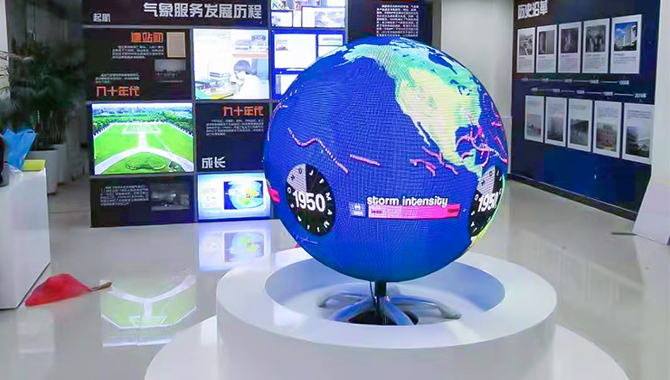
Bendable LED Screen: Lighting up any form of creativity
A bendable LED screen gives you a way to create displays that follow curves, angles, and free-form shapes without losing image quality. Many designers and integrators struggle to balance creative ideas with practical installation limits. This article helps you understand how bendable LED displays work, how to evaluate them, and where they can unlock new commercial opportunities. You will gain clear, actionable guidance that supports smarter planning, better project decisions, and stronger long-term performance.

What Is a Bendable LED Screen?
A bendable LED screen is a flexible digital display that curves smoothly without damaging internal components. It allows you to shape the screen into concave, convex, or creatively curved forms while maintaining brightness, uniformity, and image stability. This type of screen supports a wide range of creative installations that traditional rigid panels cannot achieve.
A bendable LED screen uses a soft PCB, lightweight silicone frame, and fully encapsulated LED pixels to support curvature. These components reduce internal stress while preserving electrical integrity. Many models bend to a radius as small as 60 mm, allowing designers to build tight curves or freeform surfaces.
A flexible LED display supports concave, convex, S-shaped, cylindrical, and multi-angle shapes. The curvature depends on module thickness, pixel pitch, and materials. When selected properly, the display delivers seamless results suitable for retail, architecture, staging, and immersive applications.
Definition of Bendable LED Screen
A bendable LED screen is a soft, thin, and flexible LED module designed to form stable curves in multiple directions. It allows you to create custom-shaped displays while keeping consistent pixel alignment and high-quality visuals.
Core Components and Structure
A bendable LED module relies on materials that maintain durability under repeated bending. The structure typically includes:
- Soft PCB
• High-elasticity silicone frame
• Magnetic or quick-mount backing
• Thin IC layout for flexible routing
• Lightweight composite materials
These components help the screen maintain electrical stability even when shaped differently.
Curvature Possibilities
Most screens allow bending up to a defined minimum radius. Smaller pixel pitches generally support gentler curves. When evaluating options, always confirm the minimum bending radius recommended by the manufacturer, as exceeding it may cause LED failure or color inconsistency.

Key Features & Advantages of LED Bendable Screens
A bendable LED screen offers several advantages that go beyond visual creativity. These features influence installation flexibility, long-term stability, and overall project value.
A bendable LED screen provides ultra-flexible curvature, slim construction, lightweight handling, and a simple mounting process. It also delivers strong brightness, high contrast, and reliable performance in demanding environments. These features help you execute projects with fewer structural constraints and lower installation risks.
(1) Ultra-Flexibility
Bendable LED panels support multi-direction bending and can wrap around columns, corners, or complex shapes. This flexibility helps you design displays that traditional rigid screens cannot accommodate.
Benefits include:
• Ability to form tight curves
• Smooth image transitions across odd shapes
• Strong adaptability for architectural and retail environments
(2) Lightweight & Thin
Flexible LED modules weigh significantly less than traditional LED cabinets. A typical soft module ranges from 0.3–0.6 kg, depending on size and pitch.
Why this matters:
• Reduces structural load
• Simplifies ceiling and suspended installations
• Lowers labor costs
• Allows integration into thin surfaces
Lightweight construction is especially valuable in museums, luxury retail, and modern architectural spaces where structural constraints are strict.
(3) Creative Freedom
A bendable display enables designers to build immersive experiences. Studies from the Digital Signage Federation show that creative LED installations can increase viewer engagement by more than 40% when compared to flat screens. This makes bendable LED screens valuable for commercial branding, entertainment venues, and exhibition environments.
Creative options include:
• Curved video walls
• Cylindrical displays
• Wave-shaped surfaces
• Free-form installations
(4) Easy Installation
Most bendable LED screens use magnetic attachments or lightweight framing systems. Installers complete adjustments quickly by aligning modules using small positioning pins or magnetic anchors.
Key advantages:
• Reduced installation time
• Easy maintenance
• No heavy steel structures required
This supports fast project turnover and improved cost efficiency.
(5) High Brightness & Resolution
Flexible LED screens deliver the same brightness and clarity as traditional LED displays. Many indoor models reach 800–1500 nits, while outdoor versions may exceed 4000 nits depending on pixel pitch.
High-performance driver ICs also support:
• 3840–7680Hz refresh rate
• 14–16bit grayscale
• HDR-compatible processing
These specifications maintain image consistency across curved surfaces.
(6) Durable & Reliable
Bendable screens use soft silicone, multi-layer PCBs, and reinforced soldering. These materials absorb repeated bending stress.
Durability benefits include:
• Strong resistance to vibration
• Stable electrical paths
• Lower risk of LED detachment
• Reduced maintenance frequency
Many manufacturers test modules through repeated bending cycles to verify reliability.

Popular Applications of Bendable LED Screen
Bendable LED displays support a wide range of commercial and creative applications. Businesses use them to differentiate environments, enhance brand identity, and attract customer attention.
A bendable LED screen is typically installed in shopping malls, stage designs, building exteriors, exhibitions, vehicles, and museums. These environments benefit from curved surfaces that deliver immersive visuals and improve the overall viewer experience.
- Curved LED Screen for Shopping Malls
Shopping centers use curved LED screens for atriums, cylinder displays, and decorative facades. These screens help retailers attract attention in high-traffic areas and support seasonal campaigns or brand promotions.
- Flexible LED Display for Stage Design
Live shows, concerts, and festivals rely on flexible LED screens to create dramatic stage backdrops. Screens can be shaped into arcs or waves to improve visual depth and presentation.
- Architectural Facades & Building Exteriors
Architects use bendable LED screens for curved walls, building contours, and public art installations. When combined with outdoor-rated models, these screens deliver impactful visuals that merge digital media with architecture.
- Exhibition Booths & Art Installations
Flexible LED screens support creative storytelling in exhibitions and galleries. With their curved forms, designers build immersive tunnels, cylinders, or abstract shapes that create strong visual interest.
- Vehicle & Creative Surface Displays
Automotive brands and creative agencies use flexible LED modules on vehicles, parade floats, and mobile advertising systems. Their thin profile helps them fit onto unusual surface shapes.
- Retail & Museum Environments
Retailers use curved LED displays for window displays, entrance gateways, and double-curved signage. Museums install them to deliver visitor engagement through dynamic motion graphics and immersive content.

Types of Curved Bendable LED Displays
Bendable LED screens come in different curvature types. Each type serves a specific design purpose.
A bendable LED screen may be convex, concave, multi-angle, creatively shaped, or designed for 3D visual effects. Understanding each option helps you select the best configuration for your installation environment.
Convex (Outer-Curved) LED Display
Convex screens curve outward, creating an expanding visual effect suitable for pillars, corners, and architectural elements.
Concave (Inner-Curved) LED Display
Concave screens curve inward and draw viewers’ eyes toward the center. They work well for control rooms, stage backgrounds, and immersive environments.
Creative-Shaped LED Screens
These displays include circular screens, S-curves, triangles, and wave shapes. They support artistic installations or visual storytelling.
Multi-Faceted Arc LED Screens
These screens combine several angled segments to create polygonal curves. This method gives a curved appearance using multiple flat modules.
3D Curved LED Display
A 3D curved setup uses precise concave and convex structures to create volumetric illusions. It is commonly used in city centers and commercial plazas to enhance brand visibility.

How to Make a Curved LED Display?
A curved LED screen can be created using traditional LED modules with curved frames or using highly flexible soft modules. The choice depends on curvature requirements, pixel pitch, and budget.
A curved LED display is built by selecting the right module type, matching curvature limits, and integrating structural support that maintains panel alignment. Rigid modules work for large gentle curves, while soft LED modules support tight and creative shapes.
(1) Conventional LED Module
A conventional LED panel can create curved displays by using curved frames, adjustable brackets, or arc-shaped cabinet designs. This method works for gentle concave and convex surfaces.
Applications:
• Outdoor curved LED billboards
• 3D architectural installations
• Large-format building wraps
EV960 Series Example:
Some outdoor systems use precision locking mechanisms designed to form horizontal curves. These systems maintain waterproofing and structural stability for large billboards.
Rental LED Display Locking Systems:
Rental panels often include a curved locking system to support ±10° to ±15° curvature. This helps event stages build temporary curved backdrops quickly.
MX Series Example:
Lightweight rental frames support flexible angles and allow fast assembly.
(2) LED Soft Module
Soft modules use silicone substrates and flexible PCBs. They bend easily and allow extremely tight radiuses.
Advantages:
• Bendable in multiple directions
• Supports non-standard shapes
• Very light and easy to integrate
• Strong magnetic installation option
(3) Which One Is More Cost-Effective?
Below is a comparison to help you choose:
| Option | Best For | Cost Level | Curvature | Maintenance |
| Conventional LED Module | Large gentle curves | Medium | Low–Medium flexibility | Easy |
| LED Soft Module | Tight curves, creative shapes | Higher | High flexibility | Easy |
Soft modules cost more due to materials and production complexity. However, they deliver unmatched creative potential.
How to Choose the Right Bendable LED Screen?
Choosing the right screen requires evaluating location, curvature, resolution needs, system control, and technical support. These factors influence long-term reliability and project performance.
A bendable LED screen should match your site environment, meet minimum bending radius requirements, align with viewing distance, support compatible control systems, and include strong after-sales support for commissioning and maintenance.
Installation Environment
Check whether the project is indoor or outdoor. Outdoor screens require higher brightness, weatherproofing, and stronger structures.
Curvature Radius
Always confirm the minimum bending radius. A tighter radius demands soft modules. Using the wrong module can cause LED damage or uneven seams.
Resolution & Viewing Distance
Choose pixel pitch based on viewer distance. For example, research from the International Committee on Display Metrology shows that closer viewing requires smaller pixel pitches to maintain clarity.
Control System Compatibility
Ensure your display supports common systems such as Novastar, Colorlight, or Brompton. System compatibility affects refresh rate, color uniformity, and processing stability.
Technical Support
Reliable support includes structural advice, wiring diagrams, installation training, and remote debugging. This minimizes installation errors and improves uptime.

Conclusion
A bendable LED screen gives you creative freedom that traditional displays cannot offer. When planned correctly, it supports immersive designs, curved surfaces, and complex installations that elevate visual communication. By understanding module types, curvature limits, and performance requirements, you can choose a solution that delivers long-lasting value.