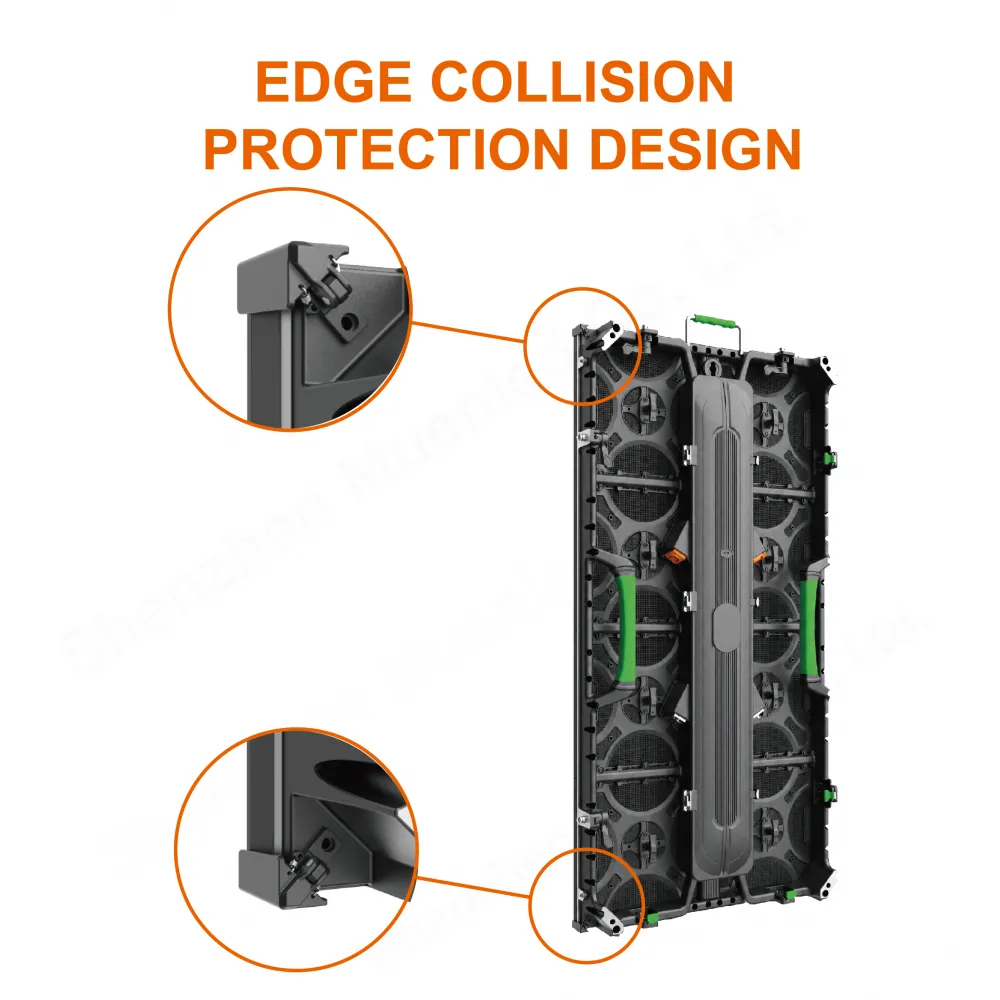
Why 7680Hz Refresh Rate Matters for Rental LED Walls
Among LED specifications, refresh rate is the most misunderstood — and the most visible in the final deliverable. This article explains what 7680Hz actually does, why the ARC3.91 outdoor rental LED display carries it, and when the extra refresh genuinely pays for itself.
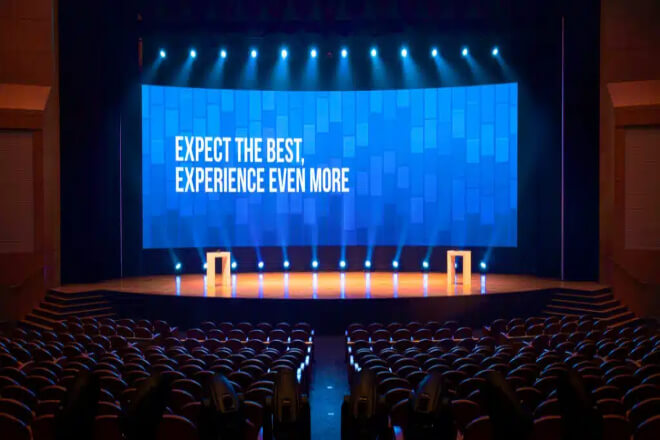
What Refresh Rate Really Controls
Refresh rate is how many times per second the screen redraws its image. The naked eye stops resolving differences somewhere above 1000Hz — but cameras do not. A camera shutter sweeping across a lower-refresh screen catches rows mid-redraw, producing the classic dark banding every event photographer knows.
| Capture scenario | 960Hz | 1920Hz | 7680Hz |
|---|---|---|---|
| Phone photo, static | Faint bands possible | Clean | Clean |
| DSLR panning shot | Visible banding | Minimal | Clean |
| Broadcast slow motion | Severe banding | Visible artifacts | Clean |
| High-speed capture | Unusable | Limited | Clean |
Why Rental Walls Are Held to a Higher Bar
A fixed-install screen serves viewers; a rental wall serves cameras. Festival IMAG, corporate keynote recordings, wedding films, livestreams — the deliverable is video, and the wall is in every frame. At 7680Hz, the ARC3.91 survives all of them, including 240fps super-slow-motion that used to force productions to swap walls or shoot around the LED.
The Scan Architecture Behind the Number
Refresh is not a free knob; it is a consequence of the drive design. The ARC3.91 pairs its 7680Hz refresh with a 1/16 scan driver and an IC that unpacks high frame rates without starving the LEDs of on-time. The practical results:
- Band-free capture at any realistic shutter angle
- No PWM flicker under conventional and high-speed cameras
- Grayscale stability at low brightness — critical for dimmed evening scenes that still get filmed
The full electrical specification, including the drive IC details, is published on the ARC3.91 product page.
When You Can Compromise — and When You Cannot
Honest guidance, because 7680Hz has a price premium:
1920Hz is enough when: the wall faces crowds only (perimeter sports boards at distance, information totems), and no professional capture is contracted.
7680Hz is worth it when: any of these are true — the event is being filmed or streamed; the client’s brand appears in the footage; the wall is a wedding or keynote backdrop; the rental fleet serves mixed events where the same cabinets must be camera-safe everywhere.
The Second-Order Benefit Nobody Markets
High-refresh drive designs also age better: lower per-LED current at the same perceived brightness means slower lumen decay. A 7680Hz wall specified today is not only camera-clean — it is still bright and uniform when the fleet is sold into its second life as a fixed-install screen.

For rental operators, that residual value closes the loop: the premium refresh is partly recovered at resale. The complete refresh, brightness and scan data is on the product page.