Virtual Production LED Wall Investment Guide: Equipment, Rental, and Total Cost of Ownership
The Virtual Production LED Wall Price has become one of the most discussed topics in the film and media industry.
As virtual production technology reshapes how movies, TV shows, and commercials are made, more studios are turning to LED walls to create realistic backgrounds and immersive environments.
However, one common question remains—how much does a virtual production LED wall actually cost?
In this article, we’ll explore everything you need to know about the price of virtual production LED walls.
You’ll learn what a virtual production LED wall is, what factors influence its cost, how to estimate your budget based on project scale, and how to choose the right manufacturer for your studio setup.
What Is a Virtual Production LED Wall?
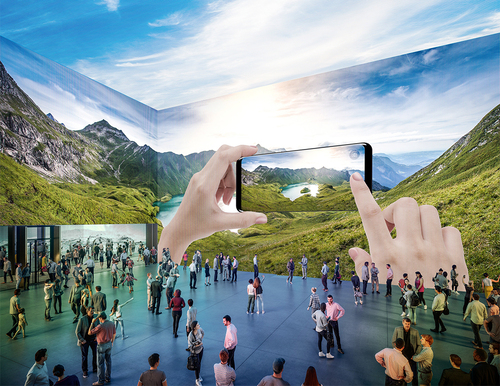
A Virtual Production LED Wall is a large, high-resolution LED screen used as a dynamic backdrop for film and TV production.
Instead of relying on traditional green screens, LED walls display real-time 3D environments powered by game engines like Unreal Engine.
This allows filmmakers to capture realistic lighting, reflections, and depth directly in-camera. It will save significant time in post-production.

Virtual production LED walls are at the heart of today’s cutting-edge film sets and XR (Extended Reality) stages.
They create seamless virtual environments where actors can perform naturally while directors see the final visual composition on set.
From Hollywood blockbusters to commercial shoots and music videos, this technology enhances creativity and efficiency alike.
But while the visual results are stunning, you may wonder the same thing: “How much does a virtual production LED wall cost?”
Let’s dive into the pricing details and the key factors that shape the overall investment.
How Much Does a Virtual Production LED Wall Cost?
As a general guideline, the virtual production LED wall price ranges from USD 1,000 to 3,000 per square meter, depending on the specifications and project requirements.
The total cost varies significantly based on the screen size, resolution, and installation complexity.
Here’s a quick overview of estimated budgets for different project scales:
| Project Scale | Screen Size (Example) | Typical Pixel Pitch | Estimated Price Range (USD) |
| Small Studio | 20–50 m² | P2.6–P2.0 | $20,000 – $75,000 |
| Medium XR Stage | 80–150 m² | P1.9–P1.5 | $80,000 – $300,000 |
| Large LED Volume | 200 m² and above | P1.5–P0.9 | $200,000 – $900,000+ |
Note:
These figures are approximate and serve as a reference only.
The final cost depends on several factors. Such as pixel pitch, LED quality, refresh rate, control system, structure design, and after-sales support.
Smaller studios may opt for hybrid or rental solutions to reduce upfront investment.
Large-scale LED volumes require higher resolutions and advanced synchronization systems. It will increase the total cost.
Next, let’s break down the key factors that influence the virtual production LED wall price.
You can better understand where your budget goes and how to optimize it effectively.

Key Factors Affecting Virtual Production LED Wall Price
Several elements determine the overall Virtual Production LED Wall price.
Understanding these factors can help you make smarter investment decisions and balance performance with budget.
Pixel Pitch (Resolution Level)
Pixel pitch refers to the distance between two adjacent pixels.
For film and XR production, P1.2 to P2.6 LED panels are commonly used to ensure ultra-high image clarity.
The smaller the pixel pitch, the sharper the display — but also the higher the cost.
A fine-pitch LED wall is ideal for close-up shots and detailed scenes, where every pixel matters.
Screen Size & Configuration
The overall size and shape of your LED wall significantly influence cost.
Flat LED screens are more economical, while curved, wraparound, or volumetric designs used in large XR stages are more complex and expensive to build.
Adding ceiling (top) or floor (bottom) LED screens for full immersion also increases the total budget.
LED Type & Refresh Rate
High-end virtual production LED walls require high refresh rates (above 7680Hz) to avoid flicker and ensure smooth camera synchronization.
Premium driver ICs and high gray levels deliver more accurate color reproduction and dynamic contrast.
It is essential for cinematic quality. These advanced components come at a higher price point.


Control System & Synchronization
A professional control system ensures seamless operation between the LED wall and real-time rendering software such as Unreal Engine, Disguise, Brompton, or Novastar.
Each brand and system offers different levels of functionality and synchronization precision, resulting in significant cost variation.
Installation & Structure
Custom steel structures, cooling systems, and mounting designs are often required for stable and safe installation.
Whether the screen is front- or rear-maintained can affect both structural design and labor costs.
Complex installations, especially curved or suspended setups, naturally require higher budgets.
After-Sales & Technical Support
Virtual production projects depend heavily on reliable support. Costs can include on-site engineering, calibration, training, and long-term maintenance.
A comprehensive service package ensures stable operation and minimizes downtime.
Different Virtual Production LED Panel Pricing
A complete virtual production LED wall setup often includes multiple types of LED displays — the main LED backdrop, the floor LED display, and the ceiling LED screen.
Each serves a distinct purpose and contributes differently to the overall cost of the system.
LED Backdrop Screen Price (Main Wall)
The main LED backdrop is the core of any virtual production setup.
It displays real-time 3D environments generated by Unreal Engine or other rendering systems, providing realistic lighting, reflections, and depth during shooting.
- Recommended Products: Fine-pitch indoor LED panels (P1.2–P2.6)
- Typical Pixel Pitch: P1.2, P1.5, P1.9, P2.6
- Estimated LED screen Backdrop Price Range: USD 1,200 – 3,000 / m²
Notes: The smaller the pixel pitch, the better the on-camera image quality, especially for close-up shots and cinematic productions.

Floor LED Display Price
The floor LED screen enhances immersion by extending the digital scene beneath the actors.
It supports real-time motion tracking, making reflections and environmental lighting more natural.
These panels are built with high-strength, anti-slip glass surfaces to withstand heavy loads.
- Recommended Products: Interactive or load-bearing floor LED panels (P2.6–P4.8)
- Typical Pixel Pitch: P2.6, P3.9, P4.8
- LED Floor Screen Price Range: USD 900 – 2,000 / m²
Notes: Costs depend on surface durability, interactive sensor integration, and waterproof level.

Ceiling LED Screen Price
The ceiling LED screen (also known as the top LED display) is used to simulate natural or environmental lighting, sky effects, and overhead reflections.
It helps achieve realistic illumination and color tone consistency across the virtual scene.
- Recommended Products: Lightweight hanging LED panels (P2.6–P3.9)
- Typical Pixel Pitch: P2.6, P3.9
- Estimated Price Range: USD 1,000 – 2,200 / m²
Notes: Hanging installations for LED ceiling screens require lightweight cabinets and safe suspension systems. Therefore, the structural design adds to the overall cost.

Together, these LED panels form a fully immersive LED volume, enabling seamless real-time visual effects directly in-camera.
In the next section, we’ll provide project-based price examples to help you estimate the total investment more clearly.
Price Example: Estimated Cost by Project Scale
To give you a clearer understanding of how the Virtual Production LED Wall price scales with project size, here are some typical examples.
Each setup differs in total screen area, pixel pitch, and complexity of installation.
Small Virtual Studio LED Wall Price
- Screen Size: Around 30–50 m²
- Pixel Pitch: P2.6mm–P2.0mm
- Estimated Price Range: USD 20,000 – 75,000
A small LED virtual studio is suitable for small film studios, advertising shoots, and educational XR content creation.
This configuration usually includes one main LED backdrop and optional side panels.
Medium XR Stage Cost
- Screen Size: Around 80–150 m²
- Pixel Pitch: P1.9mm–P1.5mm
- Estimated Price Range: USD 80,000 – 300,000
Designed for commercial filming, broadcast, and virtual events.
It typically includes curved main walls, partial ceiling LED screens, and an LED floor for immersive reflections.

Large LED Volume Cost
- Screen Size: 200–400 m² or more
- Pixel Pitch: P1.5mm–P0.9mm
- Estimated Price Range: USD 400,000 – 900,000+
Overview: Ideal for large film production studios and Hollywood-grade virtual sets.
This setup includes a wraparound LED wall, ceiling, and floor displays, offering full 360° visual immersion.
| Project Type | Screen Size | Pixel Pitch | Estimated Price Range (USD) |
| Small Virtual Studio | 30–50 m² | P2.6–P2.0 | $20,000 – $75,000 |
| Medium XR Stage | 80–150 m² | P1.9–P1.5 | $80,000 – $300,000 |
| Large LED Volume | 200–400 m²+ | P1.5–P0.9 | $400,000 – $900,000+ |
Note:
The actual quotation depends on the specific configuration. Including LED type, refresh rate, control system, structural design, and service support.
For an accurate estimate, it’s best to provide your project requirements to the LED wall manufacturer for a customized proposal.
Additional Costs Beyond the LED Wall
As discussed above, the LED video wall panels are the most significant investment in any virtual production setup — typically accounting for 60–70% of the total studio cost.
However, building a complete and functional virtual production environment involves more than just LED screens.
Below are the additional facilities and systems you should consider when planning your budget:
(1) Camera and Tracking Systems
To synchronize real-world camera movements with virtual backgrounds, a camera tracking system (such as Mo-Sys, Ncam, or OptiTrack) is essential.
These systems ensure that virtual environments move naturally with the camera’s perspective — crucial for realistic in-camera visual effects (ICVFX).


(2) Real-Time Rendering Engines
A powerful rendering engine, usually Unreal Engine, is needed to generate high-quality 3D environments in real time.
This setup may also require multiple high-performance computers, GPUs, and synchronization servers to maintain smooth playback and accurate lighting behavior.
(3) Lighting and Rigging Equipment
Even though LED walls provide ambient and environmental lighting, additional film lighting fixtures are still required to balance color tones and highlight actors properly.
Adjustable rigging systems and ceiling trusses will also add to your total infrastructure cost.
(4) Audio and Communication Systems
Professional audio recording, playback, and intercom systems integrate with LED walls.
It ensures clean audio capture and effective communication during filming.
(5) Cooling and Power Distribution
A large LED volume generates substantial heat and demands stable power.
You need industrial-grade cooling systems and reliable power distribution units (PDUs) to prevent overheating and maintain uninterrupted operation.
(6) Structural and Mounting Solutions
Custom steel structures, frames, and support trusses are necessary to mount LED panels safely.
The cost will vary depending on whether your studio uses a flat wall, curved layout, or suspended ceiling LED screens.


(7) Software Licenses and Integration
Virtual production often involves several software tools — such as Disguise, Unreal Engine plugins, calibration systems, and color management suites.
Licensing and integration services should also be included in your project budget.
When estimating your virtual studio budget, do not miss these supporting systems and services.
Renting a Virtual Production LED Video Wall Price
As you see, building a full LED volume for virtual production is quite expensive. So, renting a virtual-production LED wall can be a smart alternative.
Below are typical rental price ranges and what to factor in.
Rental Price of Virtual Production LED Video Wall
- Entry-level or Smaller LED Walls
The price of renting an entry-level virtual LED wall ranges from roughly USD $500 to $1,500 per day for indoor event-type usage.
- High-end Virtual Production LED Volume
With fine-pitch resolution, camera tracking, genlock, and real-time engine integration.
Expect USD $9,000 to $25,000 per day, or USD $50,000 to $100,000+ per week, depending on scale and features.
Example: a 2,340 sq ft LED insert stage in Los Angeles lists from USD $10,000/day for the LED wall with one technician, up to $25,000+ for a full Unreal-Engine virtual production setup.


What Impacts the Rental Price
- Pixel pitch/resolution
Finer pitch (e.g., P1.5, P1.9) to meet camera & VR standards costs more.
- Size of the video wall
Whether it’s only a backdrop or a full floor + ceiling + wraparound volume.
- Additional technology
Camera tracking, genlock, engines (e.g., Unreal Engine), motion-capture, side-walls/floor LED.
- Duration of rental
Multi-day or weekly rates often include discounts vs single-day rates.
- Technical support and crew
Operator, LED techs, pre-lighting/build days may be billed separately.
- Other cost
Location, logistics, transportation, setup, and strike (load-in/out) will add cost.
Summary Table
| Rental Type | Typical Features | Typical Price Range |
| Small event-type LED wall rental | Indoor, less stringent camera requirements, moderate pitch | ~$500 – $1,500/day |
| Virtual-production-ready LED wall (single-wall or smaller volume) | Fine pitch, camera-friendly, some tracking/engine integration | ~$9,000 – $25,000/day |
| Full LED Volume rental (wraparound + floor/ceiling + full tracking) | High-end resolution, full XR/ICVFX capability | ~$50,000+ per week |
Note:
Rental quotes depend heavily on your specific project configuration, required features, duration, and local market.

How to Optimize Your Virtual Production LED Wall Budget?
Building a virtual production environment can be a significant investment, but smart planning can help you control costs while maintaining high visual performance.
Here are some effective ways to optimize your Virtual Production LED Wall budget:
Choose the Right Pixel Pitch
Don’t blindly pursue the smallest pixel pitch.
Select a resolution that matches your camera distance and shooting needs.
For example, P1.9 or P2.6 is sufficient for most XR stages.
Consider Rental or Hybrid Solutions
If your project is short-term or experimental, consider renting a virtual production LED wall or combining fixed and temporary installations.
Use Modular Design
Adopt modular LED panels and standardized mounting systems to simplify installation, shorten setup time, and lower structural expenses.
Modular designs also make future expansion and maintenance easier.


Work with an Experienced Manufacturer
Partnering with a professional LED display manufacturer ensures that you receive an integrated solution.
Including LED wall panels, control systems, structure design, and technical support.
Conclusion
In this post, we’ve taken a detailed look at virtual production LED wall prices, including factors influencing pricing, additional costs, and rental costs.