
Understanding Transparent LED Displays: Technology and Applications
Have you ever walked past a storefront with digital content that seems to float in mid-air? That’s the magic of a LED display transparent design. As businesses struggle to capture attention without blocking views, transparent LED technology offers a compelling solution. I’ve watched countless clients wrestle with the dilemma of choosing between visibility and dynamic content—but now, they don’t have to choose at all.
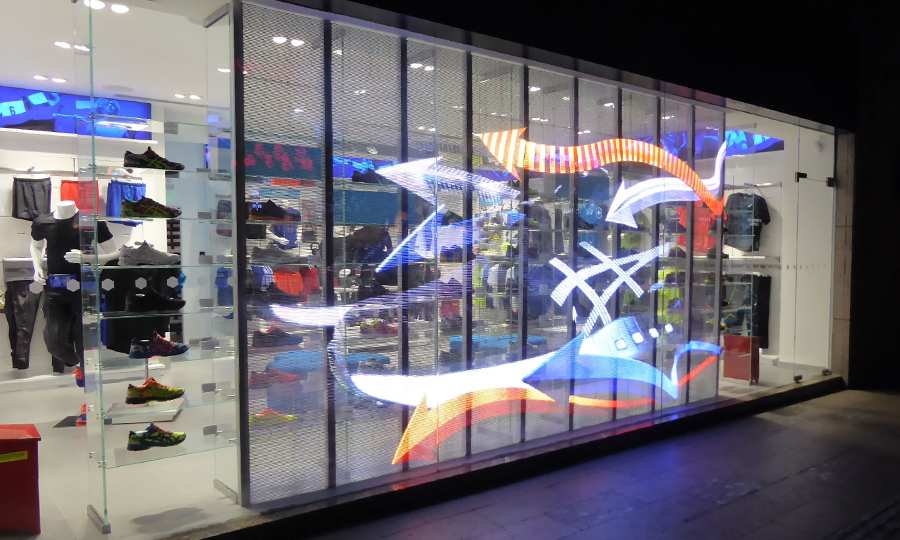
Introduction to Transparent LED Displays
What Are Transparent LED Displays?
Transparent LED displays are innovative screens that allow light to pass through while displaying vibrant content. Unlike conventional solid displays, these see-through marvels let viewers perceive both your content and whatever sits behind the screen simultaneously. This dual functionality transforms ordinary glass led screens into powerful communication tools that preserve spatial openness.
Why Are They Gaining Traction?
The rise of transparent led screens stems from their ability to solve a critical business challenge: how to add digital signage without sacrificing aesthetics or natural light. I’ve witnessed retailers, event venues, and office buildings embrace this technology to create immersive environments without the boxed-in feeling of traditional displays. The display on glass concept particularly benefits spaces where maintaining visibility is essential, like retail storefronts or museum exhibits.
How Transparent LED Displays Work
The Science of Transparency
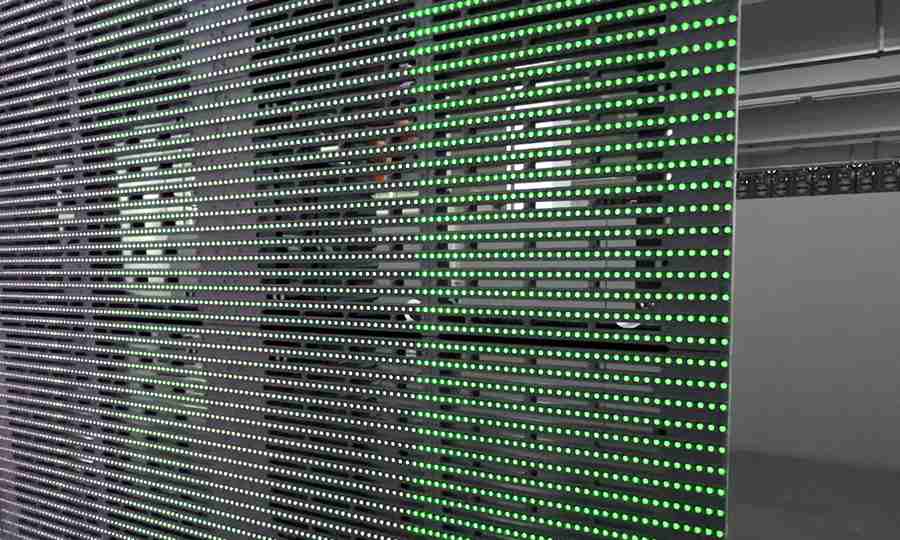
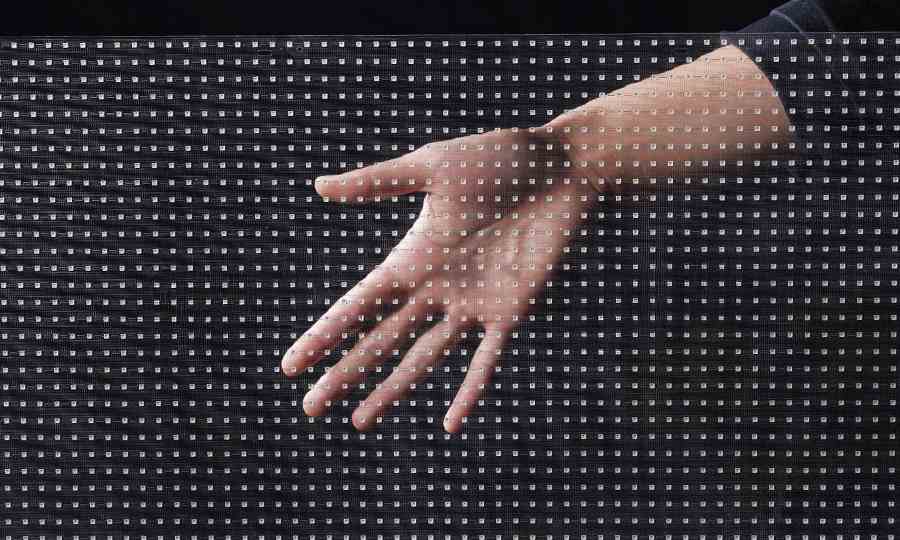
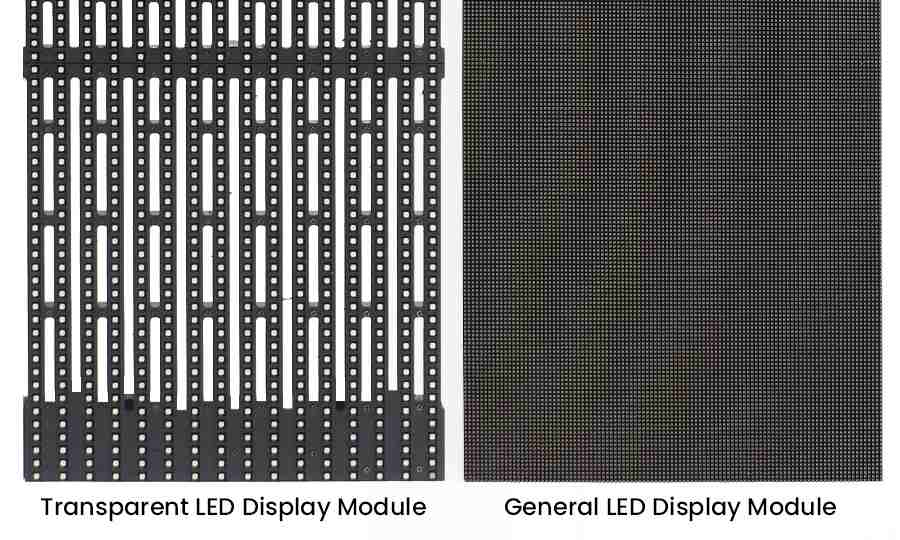
The technology behind a transparent glass led display is ingeniously simple. Manufacturers mount LEDs on a transparent substrate (typically glass or acrylic), arranging them in a grid pattern with deliberate spacing. This configuration allows light to pass between the LED diodes, creating the transparency effect. The technical marvel lies in how invisible the wiring becomes—with circuits designed to be as unobtrusive as possible.
Transparency vs. Image Quality
The relationship between transparency and visual quality presents an interesting balance. According to LED Controller Store data (2023), transparency levels typically range from 70% to 95%. I’ve noticed that higher transparency often comes at the cost of resolution density. A more transparent led screen transparent design allows more light through but may display less detailed imagery. Finding the sweet spot depends entirely on your specific needs and viewing environment.
Types of Transparent LED Displays
Rigid Panels: Built for Stability
Rigid transparent led panels offer durability for permanent installations. These sturdy, fixed-size displays excel in architectural applications like building facades or large interior features. I recommend these for clients needing long-term solutions with consistent performance. They typically achieve 70-90% transparency while maintaining structural integrity necessary for outdoor or high-traffic environments.
Flexible Films: Versatile and Easy
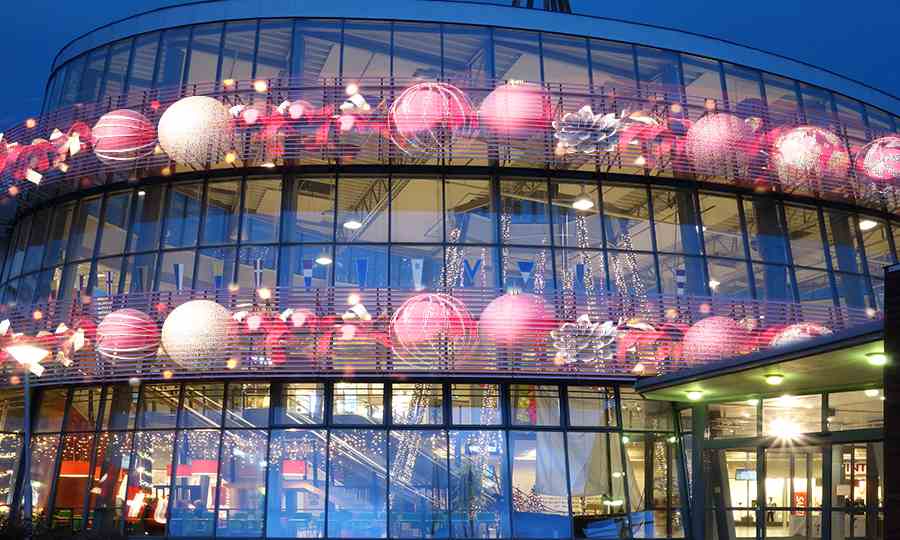
For quick deployment and temporary installations, flexible transparent led screen films provide remarkable versatility. These thin, adhesive solutions can transform existing glass surfaces into digital displays without structural modifications. I recently saw a shopping mall apply these films to their entryway windows for a holiday promotion—they installed everything overnight and removed it just as quickly when the season ended.
Where You’ll Find Transparent LED Displays
Retail: Grabbing Attention
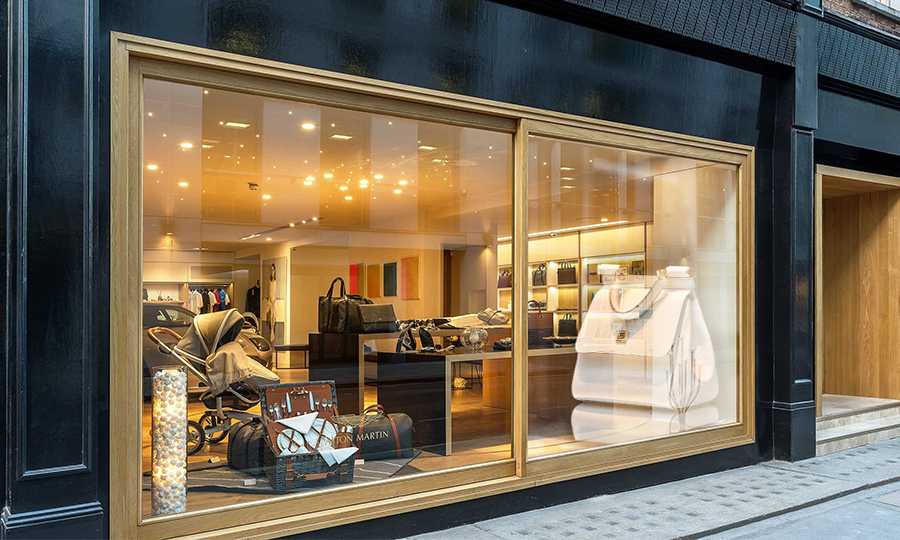
Retail environments benefit tremendously from transparent glass led screen walls. Storefronts can display promotions and branding while still showcasing the products behind the glass. I’ve seen boutiques use these displays to create layered visual stories—showing both the actual clothing and complementary digital content simultaneously.
Architecture: Modern Facades
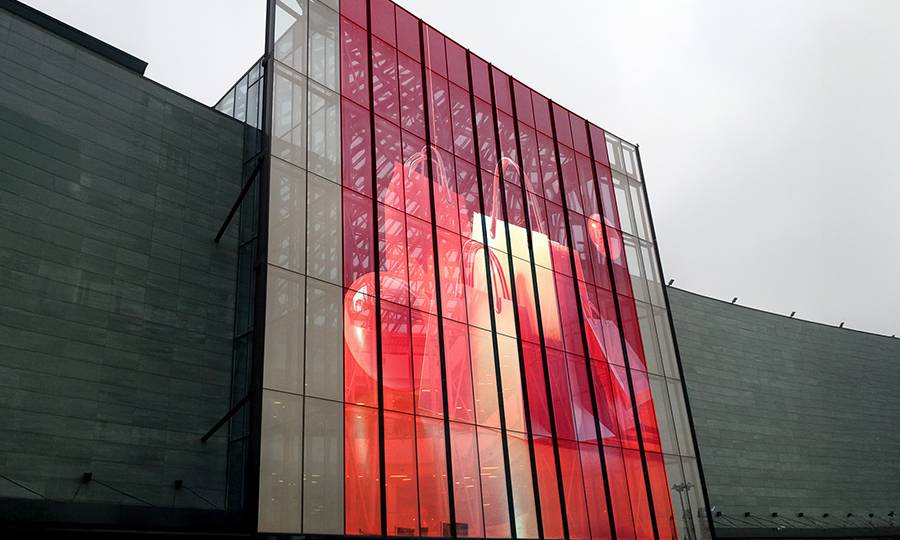
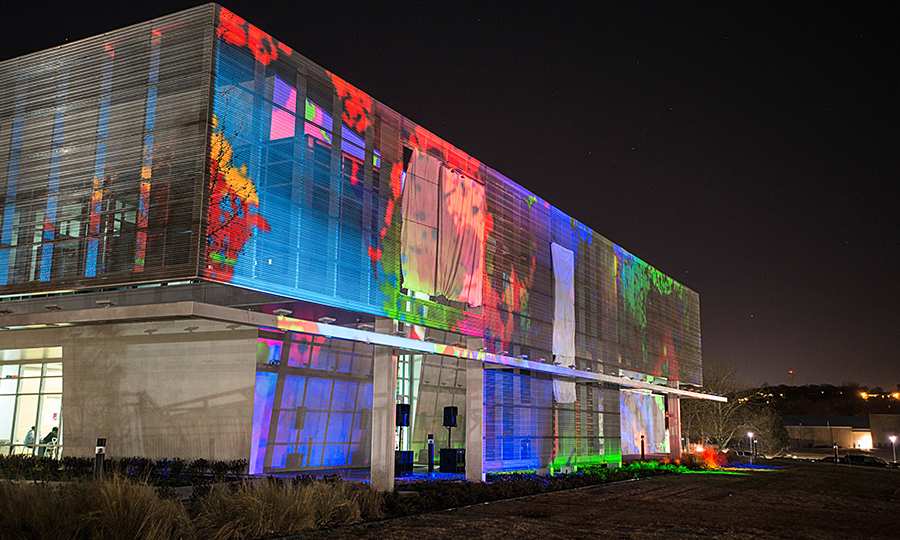
Modern buildings increasingly incorporate transparent led screen walls as design elements that blend form and function. These installations transform static structures into dynamic, changing canvases. The Massachusetts Institute of Technology’s Media Lab features a remarkable example, using transparent displays to visualize data while maintaining the building’s open aesthetic (MIT Media Lab, 2023).
Events: Immersive Experiences
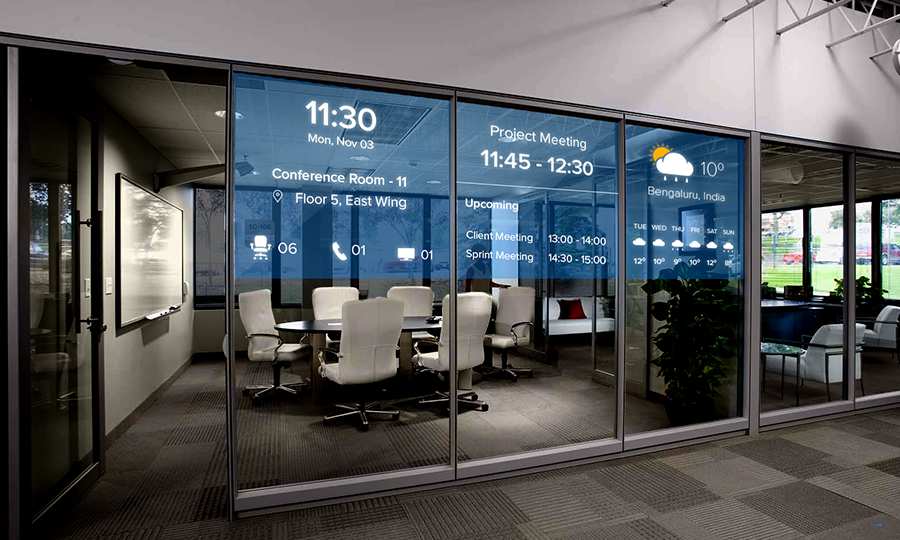
Event producers leverage indoor transparent led displays to create immersive environments without blocking sightlines. I’ve witnessed conference stages use transparent screens to layer digital content over physical presenters, creating depth and dimension impossible with traditional backdrops. The versatility makes them perfect for temporary installations where setup speed matters.
Concert and Stage
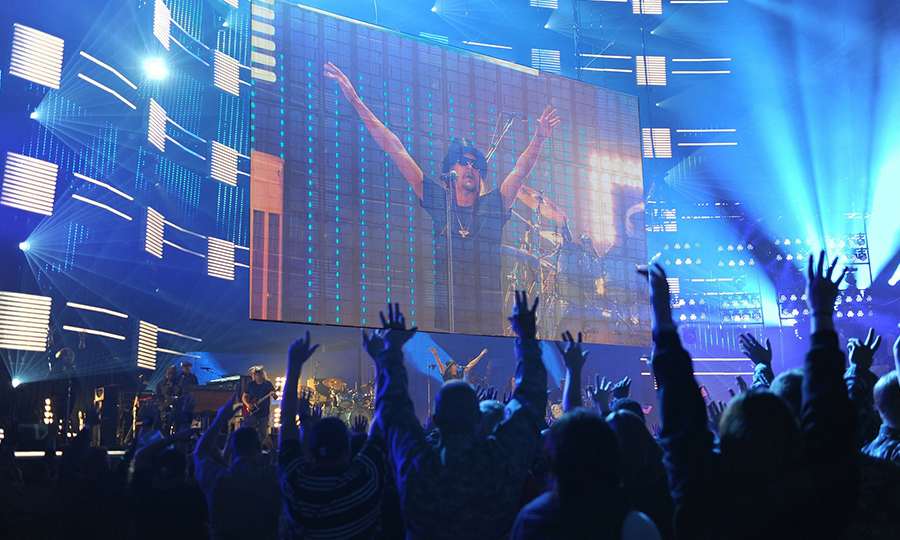
The entertainment industry has embraced concert led screens for their stunning visual impact. Led screen stage design now frequently incorporates transparency to maintain audience connection with performers. Artists perform in front of or even behind these displays, creating multi-dimensional visual experiences that enhance performances without separating the performer from fans.
Transportation and Automotive
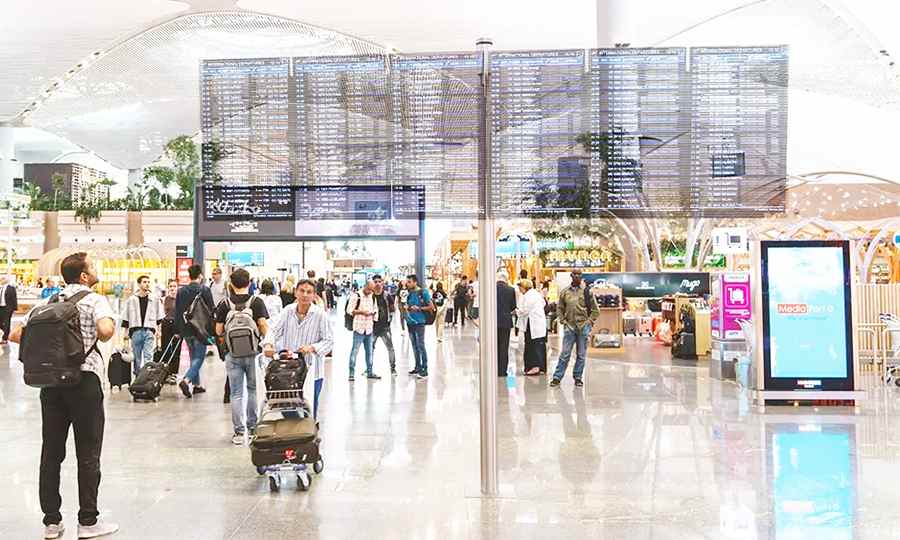
Transportation hubs utilize transparent led displays to provide information without obstructing critical sightlines. Similarly, automotive showrooms deploy these screens to enhance vehicle displays with digital content while still allowing customers to see the actual cars. I visited a dealership last month that projected technical specifications directly onto the showroom windows—impressive and practical!
Benefits of Choosing a Transparent LED Display
High Transparency
The primary advantage of transparent led screens is, unsurprisingly, their transparency. TOP Dance offers displays with up to 95% transparency, allowing natural light to flow through and maintaining visual connections between spaces. I’ve found this particularly valuable in environments where maintaining spatial awareness matters, from retail to corporate settings.
Stunning Visuals
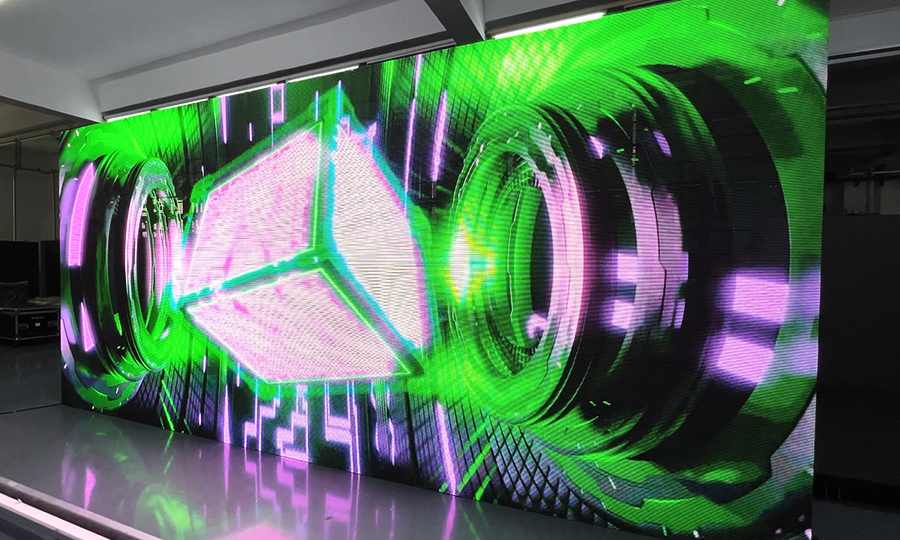
Despite their see-through nature, these displays deliver remarkable visual performance. With brightness ratings reaching 3800-4000 cd/㎡ in premium models, content remains vibrant even in bright environments. The contrast between the illuminated display elements and the transparent background creates a floating effect that simply captivates viewers.
Energy Savings
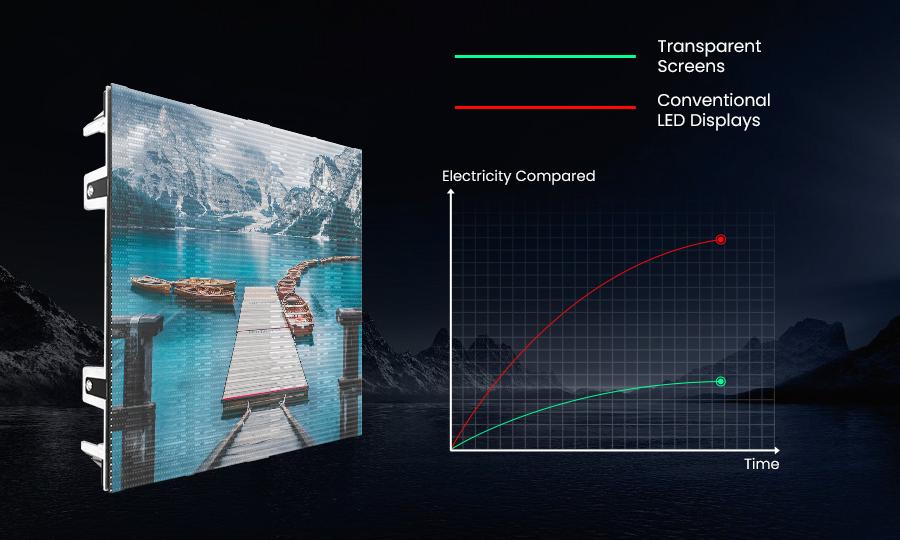
Transparent led displays consume significantly less power than traditional LED screens. With average consumption around 160W/㎡ compared to 300-600W/㎡ for conventional displays, the energy savings add up quickly. I advise clients to consider these long-term operational savings when evaluating the initial investment cost.
Disclaimer: Actual energy savings vary based on usage patterns, ambient conditions, and specific model specifications. Consult with a qualified professional for an assessment specific to your situation.
Simple Setup
The lightweight design of modern transparent displays (some weighing just 3.55kg per panel) makes installation remarkably straightforward. I’ve seen teams set up large outdoor led advertising screens in hours rather than days. This practicality translates to lower labor costs and greater flexibility for temporary applications.
Challenges to Consider with Transparent LED Displays
Resolution Trade-Offs
The spacing required for transparency inevitably affects pixel density. I always prepare clients for this reality—you’ll typically get lower resolution than with traditional solid displays of similar size. For applications requiring extremely detailed content, this limitation deserves careful consideration.
Cost Concerns
As of March 2025, transparent led display price points remain higher than conventional LED displays. The specialized manufacturing and materials contribute to this premium. The transparent led screen price typically runs 30-50% higher than standard options of comparable size and resolution. However, I find many clients consider the aesthetic advantages worth the investment, especially when factoring in the spatial benefits.
Content Design Needs
Creating effective content for transparent displays requires specialized design consideration. Background visibility means your content competes with whatever sits behind the display. I always advise clients to use high-contrast elements, bold typography, and simplified messaging to ensure readability across varying backgrounds.
Real-World Success Stories
Barclays Center, Brooklyn
The Barclays Center in Brooklyn integrated transparent LED displays throughout their concourse areas to enhance visitor engagement. According to their 2023 visitor experience report, these installations increased dwell time by 27% and boosted concession sales in adjacent areas. I was particularly impressed by how they used transparency to maintain the venue’s open feeling while adding dynamic content.
Shopping Mall Hoog Catharijne, Utrecht
This Dutch shopping destination features a stunning 193 m² transparent LED installation with 70% transparency (Q-lite, 2024). The mall reports significant increases in visitor engagement and retailer satisfaction since installation. By maintaining visibility through the central atrium while adding digital capabilities, they created a modern shopping environment that preserves architectural integrity.
How to Choose the Right Transparent LED Display
Key Factors to Evaluate
When selecting a transparent led display, I recommend evaluating these critical factors:
- Transparency level: Determine how much see-through quality you need (70-95%)
- Resolution requirements: Consider viewing distance and content complexity
- Installation environment: Indoor or outdoor use affects durability needs
- Content strategy: Plan for high-contrast designs that work with transparency
- Budget constraints: Balance initial costs against long-term benefits
Always request samples or demonstrations in your actual environment before committing to a large installation.
The Future of Transparent LED Displays
Tech Innovations on the Horizon
The transparent display market is evolving rapidly. According to Skift’s 2024 Event Technology Report, we can expect significant advances in resolution density without sacrificing transparency over the next two years. I anticipate price reductions of 15-20% as manufacturing processes mature and competition increases, making this technology accessible to more businesses.
Blending with Augmented Reality
The most exciting frontier lies in combining transparent displays with augmented reality. Imagine retail displays that not only show content but also interact with shoppers through AR interfaces. I’ve seen early prototypes that recognize gestures through the transparent screen, creating truly interactive experiences without wearable devices.
I’m particularly excited about these developments because they promise to transform passive viewing into active engagement. The combination of physical transparency with digital interaction represents the next evolution in how we communicate with audiences in physical spaces.
In conclusion, transparent led displays offer a remarkable combination of visual impact and spatial preservation. While they present certain challenges and cost considerations, their unique benefits make them an increasingly important tool for forward-thinking businesses across retail, entertainment, and architectural applications.