The application, advantages, and success secrets of Rental LED Display
Rental LED displays drive visual impact for events, advertising, and large-scale presentations.Many businesses struggle to choose the right rental LED solution because the technology evolves quickly and event requirements vary widely across industries. Buyers often compare pixel pitch, brightness, mobility, and total ownership cost, yet they still find it difficult to predict long-term performance.
This article explains how rental LED displays work, where they succeed, and how you can select the right system with confidence, supported by data, real standards, and practical B2B insights.

Types of Rental LED Display
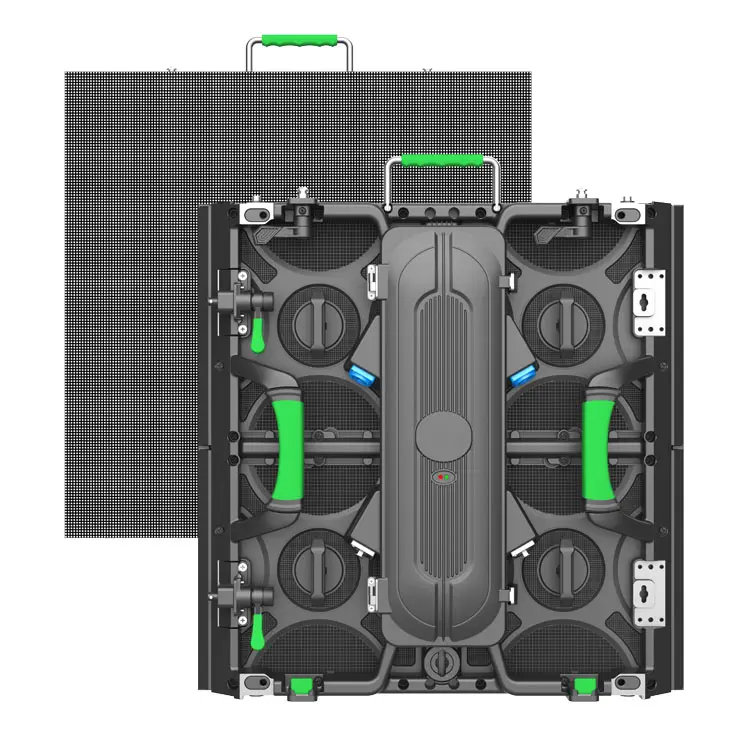
The main types of rental LED displays include mobile LED screens, modular LED panels, indoor LED walls, and outdoor LED systems. Each type serves different environments and installation needs, so your choice must align with audience distance, location, and event duration. These product families share the same core objective: to deliver high-brightness, flexible, and transport-ready visual communication. Yet they differ significantly in mobility, pixel pitch options, and structural design. Understanding these differences helps you match the right platform to your project or inventory strategy.
Mobile screens integrate the LED display with a trailer or vehicle chassis. They eliminate traditional truss systems, reduce labor time, and support roadside campaigns or pop-up events. Modular LED displays use cabinets that lock together, making them versatile for stage backdrops, concerts, conferences, and exhibitions. Indoor rental screens focus on fine-pixel clarity and controlled lighting, while outdoor units emphasize durability, weather resistance, and high-brightness output. Each category provides unique benefits across diverse project scenarios.
Mobile LED Screens
Mobile LED screens attach to a truck or trailer and deploy within minutes. They support sports events, city promotions, government messaging, and mobile advertising. Many cities use mobile LED displays because they reduce setup time by more than 50% compared with traditional staging, according to transportation-based event research from the U.S. Federal Highway Administration.
Modular LED Displays
Modular panels remain the standard for live events. Their locking mechanisms allow fast assembly, while their lightweight aluminum frames support frequent transport. System integrators prefer modular structures because they adapt to irregular stage designs, curved surfaces, and custom aspect ratios.
Indoor LED Screens
Indoor rental displays offer fine pixel pitches such as P1.9, P2.6, and P2.9. These resolutions suit conferences, exhibitions, trade shows, broadcasting, and retail activations. Indoor units do not require high waterproof ratings but must maintain excellent color uniformity under moderate brightness.
Outdoor LED Screens
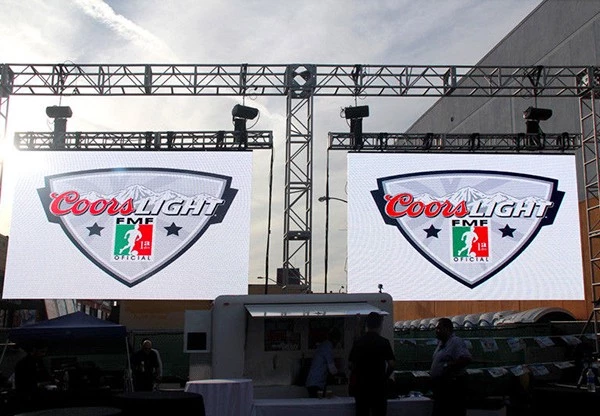
Outdoor rental LED systems use high-brightness diodes, weatherproof housings, and anti-UV masks. Brightness often ranges from 4,500 to 6,500 nits, depending on the region and regulatory limits. These screens are common in festivals, stadiums, marathons, and outdoor brand showcases.
Applications of Rental LED Display
Rental LED displays support event organizers, production companies, advertisers, and media operators who require flexible, large-format visual solutions. These screens enhance audience engagement, provide information clarity, and support branding integration across multiple environments. Because they deliver high brightness and modular scalability, rental LED displays adapt to both short-term activations and long-term touring events.
Applications span entertainment, corporate, sports, retail, education, and public sectors. Production companies deploy LED walls for stage backgrounds, immersive environments, and live broadcast effects. Corporations use rental displays for annual meetings, product launches, and training programs. Sports events rely on LED screens for instant replays, sponsor placements, and scoring visibility. Government agencies implement temporary LED walls for public announcements and cultural programs. Rental displays also support exhibitions, trade fairs, and experiential marketing campaigns because they attract foot traffic and elevate booth presentations.

The Advantages of Rental LED Display
Rental LED displays offer flexibility, mobility, and cost efficiency for event professionals and distributors. They install quickly, maintain structural consistency, and deliver long service life under frequent transport. These advantages create measurable value for rental companies and end clients who prioritize reliability and visual performance.
Modern LED rental systems feature reinforced cabinets, precision connectors, and advanced calibration tools. These components support seamless visual output even after hundreds of assembly cycles. Industry surveys, such as those published by the International Association of Exhibitions and Events (IAEE), show that high-impact visuals can increase event engagement by up to 18%, emphasizing the commercial value of rental displays. Below, key advantages are outlined with deeper explanations.
Portable and Ultra-Thin
Rental LED cabinets often use lightweight aluminum materials, keeping weight low while maintaining rigidity. Slim designs reduce handling stress and minimize logistics costs. Manufacturers design rental frames for technicians who need rapid deployment and consistent structure across many events.
Small Deviation and Seamless Splicing
Precision engineering ensures alignment between panels. Rental displays rely on cabinet tolerances often below 0.1 mm to maintain flatness and seamless image quality. This accuracy supports curved configurations and reduces visible lines between panels.
Quick Installation
Fast-locking systems enable tools-free assembly. A trained two-person crew can build a large LED wall within minutes, depending on screen size. Speed reduces labor cost, a major expense in event production.
Long Service Life
Quality rental cabinets last through thousands of setup cycles. LED lifespan often exceeds 50,000 hours when supported by proper heat management and onboard protection circuits. Durable frames prevent deformation during transport.
Affordable Price
Rental LED displays remain cost-effective due to shared usage across many clients. Event organizers avoid large upfront investment while accessing advanced visual technology.
Reliability
Manufacturers integrate diagnostics, reinforced power systems, and low-failure IC drivers. Reliable hardware reduces downtime and protects event schedules. According to industry failure-rate benchmarks reported by engineering studies, well-manufactured LED modules maintain annual failure rates below 0.5%.

Factors to Consider When Renting an LED Display
When renting an LED display, you must evaluate pixel pitch, brightness, screen size, installation method, and content requirements to secure the best visual performance. These factors allow you to align technical specifications with event objectives and environmental conditions. Neglecting any of these considerations may result in low visibility, distortions, or unnecessary cost.
Audience viewing distance shapes pixel pitch. Outdoor environments require high brightness and weather resistance. Indoor events demand color uniformity and fine resolution. Event duration influences the need for backup systems. Logistics and venue access determine whether modular or mobile solutions fit better. Rental companies must also consider power availability, content compatibility, and safety structures. Below, a table summarizes key factors for quick comparison.
Key Selection Factors
| Factor | What It Means | Why It Matters |
| Pixel Pitch | Distance between LEDs | Influences clarity at various viewing distances |
| Brightness | Nits output | Ensures visibility under ambient light |
| Cabinet Type | Mobile or modular | Impacts installation time and flexibility |
| Indoor vs Outdoor | Environmental adaptation | Determines waterproofing and durability |
| Power & Control | Hardware compatibility | Ensures stable operation and content accuracy |
| Event Duration | Hours or days | Affects backup needs and logistics planning |
How to Choose the Right LED Rental Provider
Choosing the right LED rental provider involves evaluating product quality, support capability, inventory diversity, certifications, and past performance. These elements ensure the provider delivers reliable hardware under tight timelines. You should also confirm their technical service strength, including on-site assistance, spare parts logistics, and content calibration support.
A qualified provider maintains certified hardware using diodes from reputable manufacturers, such as Nationstar or Nichia. They follow quality standards aligned with ISO 9001 and use safety certifications required by regional regulations, such as CE or FCC. Providers must also maintain a trained technical team capable of troubleshooting in real time. Reviewing case studies helps you assess long-term reliability. Providers with proven experience in touring events, corporate launches, and large exhibitions typically offer stronger resilience under pressure.
Below is a recommended evaluation checklist:
- Verify certifications and compliance documents
• Confirm cabinet durability for frequent assembly
• Assess brightness, pixel pitch options, and calibration quality
• Review event support services
• Request demonstration or test setup
• Ask for references from existing clients

Tips for Successful LED Display Rentals
Success in LED display rentals relies on proper planning, correct specification matching, and effective on-site management. You protect event performance by aligning technical choices with environmental conditions, content needs, and structural safety. A systematic approach reduces operational risk and enhances audience experience.
Start by mapping viewer positions and screen purpose. Select pixel pitch that aligns with visual clarity. Ensure content uses the correct resolution and aspect ratio to avoid scaling artifacts. Confirm power capacity at the venue before installation. Outdoor events require weather-resistant structures and backup systems. Technicians should test every module after assembly and use calibration tools to maintain color consistency. After the event, structured disassembly reduces wear and extends product lifespan.
Preparation Tips
- Conduct a pre-event site survey
• Prepare backup sending cards and power supplies
• Assign trained technicians for installation
• Check structural load limits at the venue
• Verify content file formats
Recommended Placement for Images
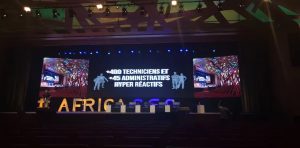
- Insert an image after the introduction (ALT text: “Rental LED display applications for events”).
• Insert an image under “Types of Rental LED Display” (ALT text: “Different types of rental LED screens”).
• Insert an image near the advantages section (ALT text: “Seamless LED rental cabinet connection”).
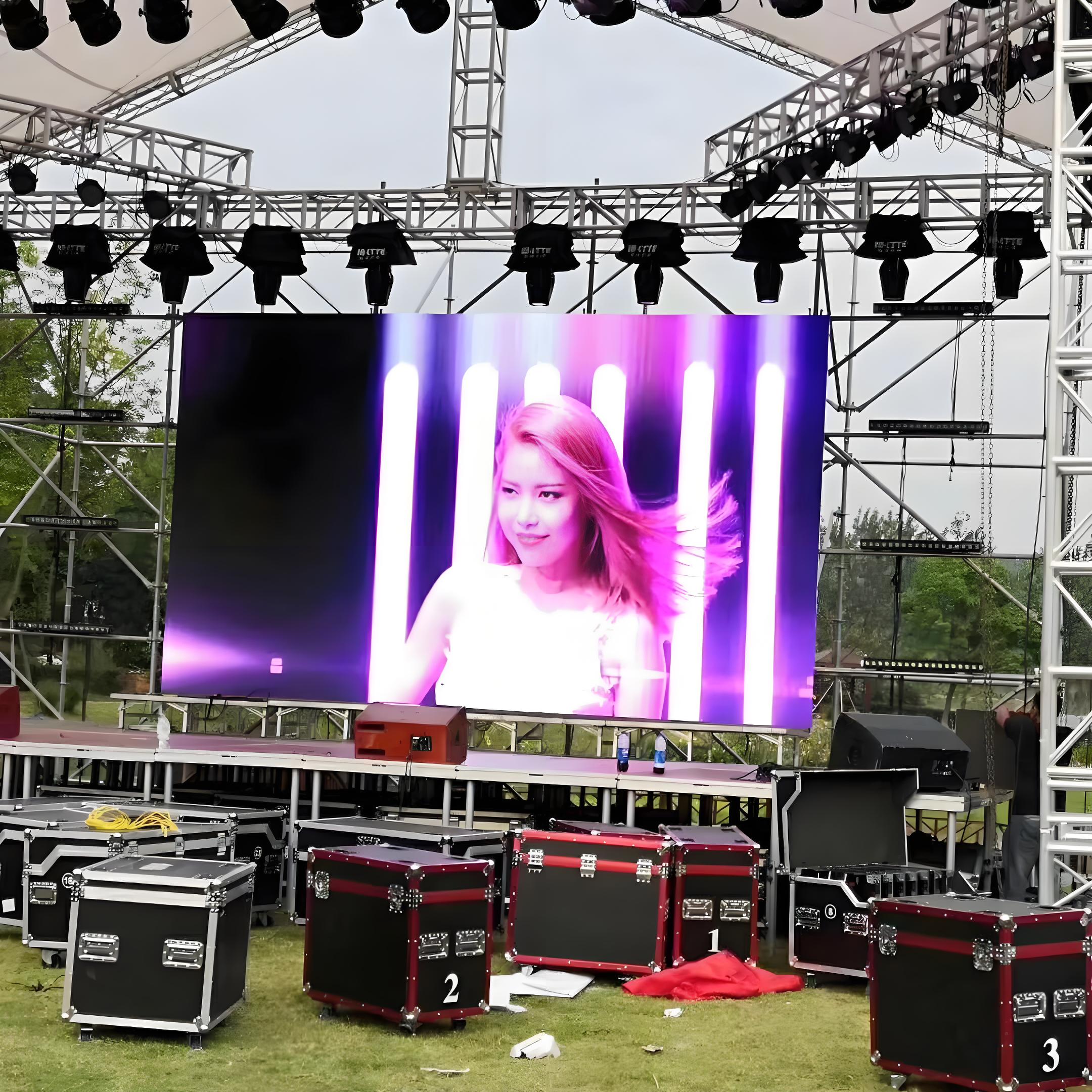
• Insert an image before the conclusion (ALT text: “LED rental setup during live event”).
Conclusion
Rental LED displays offer versatile, high-impact solutions for events of any scale. They support clear communication, strong branding, and flexible deployment in both indoor and outdoor environments. By focusing on screen type, pixel pitch, installation requirements, and service quality, you can secure stable and visually compelling performance.