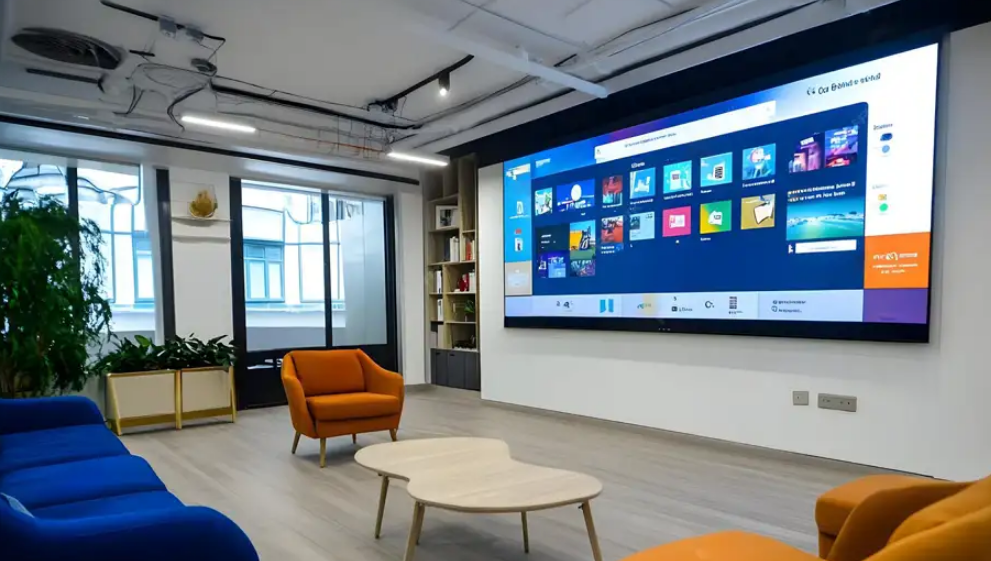
What is the difference between LCD and LED?

LCD and LED screens (Liquid Crystal Display and Light-Emitting Diode) mainly differ in their backlighting technology. LCDs use fluorescent backlights, while LEDs utilize light-emitting diodes, offering superior picture quality with improved blacks and brighter colors. Despite LCDs being more cost-effective, LEDs provide a higher contrast ratio and energy efficiency, making them the preferred choice for high-end displays in events, advertising, and retail promotions.

In the fast-evolving world of display technology, making an informed choice between LCD and LED screens is crucial for event planners, advertisers, and tech enthusiasts alike. But what sets them apart, and why does it matter for your next big project or purchase? How does this difference impact your specific needs? Let’s delve deeper.
#Muenled
#LEDdisplay

Quickly understand indoor LED screens

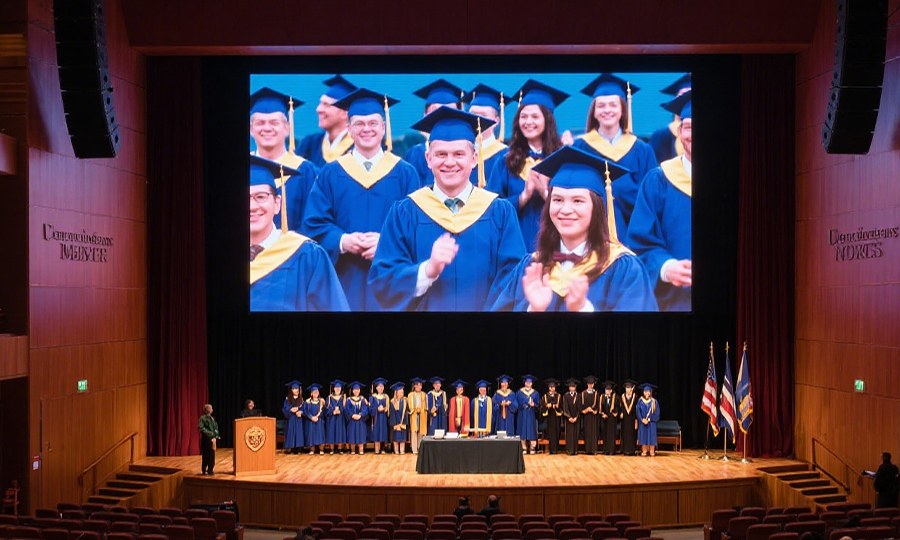
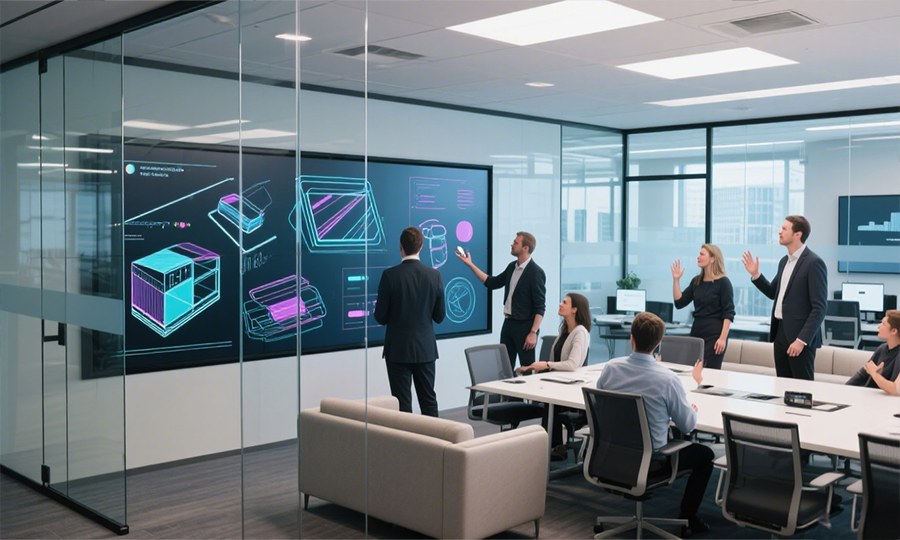
An indoor LED screen is a large format screen based on LED technology, composed of several cabinets that seamlessly join together. Unlike other display technologies such as LCD or OLED, indoor LED screens can display both static images and videos without any visible seams, providing a smooth and continuous viewing experience.

In today’s dynamic event and entertainment industries, the demand for versatile and high-quality visual displays has skyrocketed. One technology stands out among the rest: the indoor LED screen. But what exactly is an indoor LED screen, and why is it gaining popularity among event rental businesses, event planners, LED dance floor distributors, nightclub and bar owners? Let me give you a brief introduction.
#Muenled
#indoorLEDdisplay

P2 vs. P3 LED Display: Key Differences and Ultimate Buying Guide

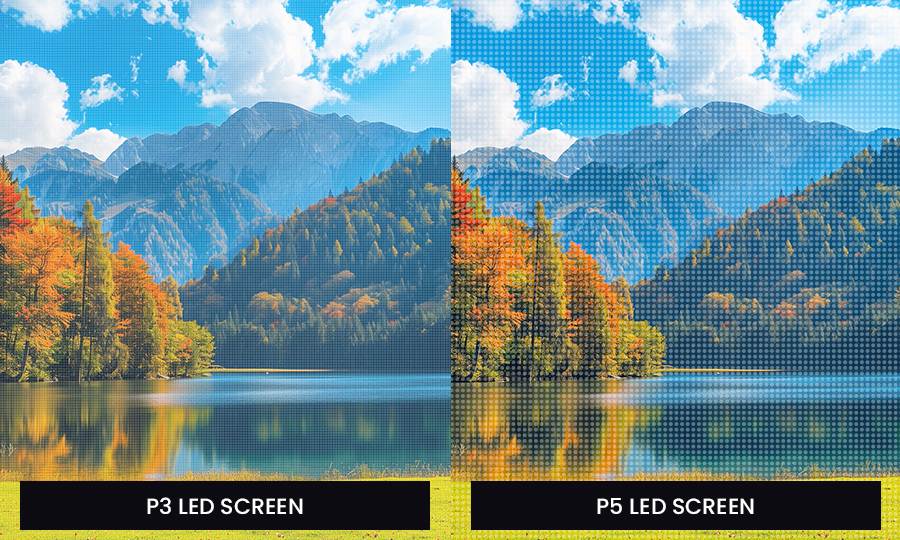
When choosing an LED display for your event or venue upgrade, especially when deciding between options like a P3 LED display, it can often feel overwhelming due to the need to balance visual quality with budget. That seemingly insignificant one-millimeter difference between P2 and P3 dramatically impacts both the audience’s viewing experience and your bottom line.
#Muenled
#LEDdisplay

Factors in Air Conditioner Placement for Optimal LED Screen Performance

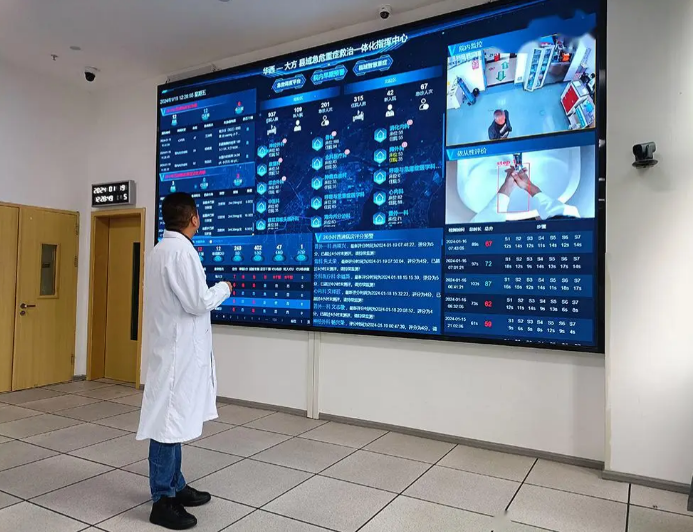
LED screens are widely used in meeting rooms, commercial spaces, KTV venues, and control centers. However, many users encounter unexpected issues after installation—such as dead pixels, “caterpillar-like” lines, condensation, or repeated LED failures in the same area.
One overlooked but critical factor behind these problems is the positioning of air conditioners around the LED display.

This article explains why HVAC placement matters, how improper airflow causes LED failures, and what preventive measures you should take to protect your LED display.
#Muenled
#LEDdisplay

Exhibition Hall LED Display Sizes: Key Dimensions and Selection Factors

Designing an exhibition hall often starts with one central question: how large should the LED display be? Many organizations want an immersive visual centerpiece, yet struggle to determine the right size for their space. Exhibition halls differ widely in layout, audience density, and viewing distance, which makes the decision even more complex.

This article clarifies the typical LED display sizes used in exhibition halls and explains how factors such as hall dimensions, pixel pitch, and content type influence the final choice.

By the end, you will understand how to choose a display size that enhances your exhibition experience while staying practical, scalable, and visually impressive.
#Muenled
#LEDdisplay

The application, advantages, and success secrets of Rental LED Display

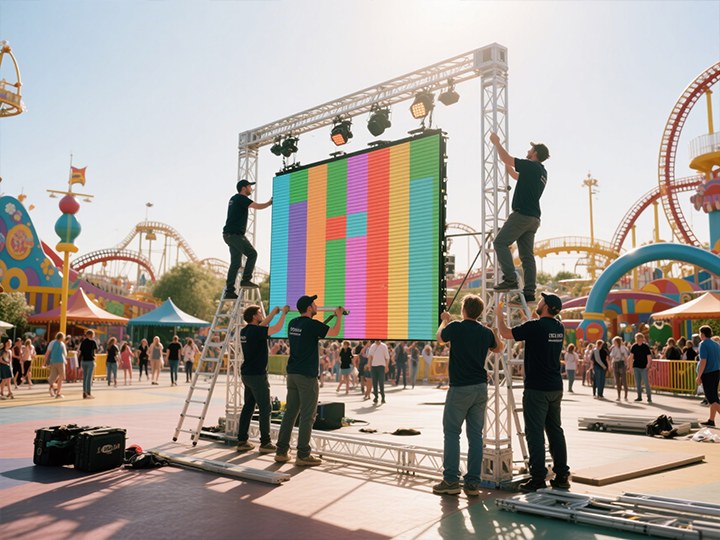
Rental LED displays drive visual impact for events, advertising, and large-scale presentations.Many businesses struggle to choose the right rental LED solution because the technology evolves quickly and event requirements vary widely across industries. Buyers often compare pixel pitch, brightness, mobility, and total ownership cost, yet they still find it difficult to predict long-term performance.
This article explains how rental LED displays work, where they succeed, and how you can select the right system with confidence, supported by data, real standards, and practical B2B insights.
#Muenled
#RentalLEDDisplay

H4f57b86571a34705bae8d51c2a45f750s

The difference between indoor and outdoor LED display screens

If you want to install an LED screen but are unsure about the differences between indoor and outdoor LED displays, this article will help you understand the distinctions.
#Muenled
#LEDdisplay

What do you need to know about LED wall lamp stage backboards?

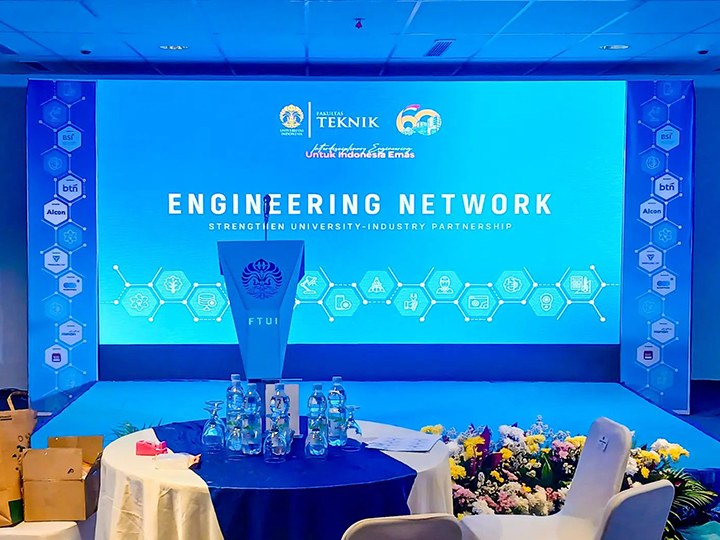
In live events and performances, visual impact is crucial. One of the most effective ways to captivate audiences and create a stunning visual experience is through the use of an LED wall stage backdrop. Whether it’s a concert, a corporate event or a theatrical performance, an LED screen stage backdrop can transform the atmosphere of your event. In this blog, we’ll dive into everything there is to know about LED wall backdrops, including its pros and cons, applicable scenarios, and things to consider before buying.
#Muenled
#LEDdisplay

H68e6461ace4e4f79b92fd2dad109f2e6Q

Application Places for Indoor Rental LED Screens

Some indoor stores in shopping malls have large storefront windows at the entrance, displaying product features or brand image. Indoor rental LED screens are typically placed here to increase exposure and attract potential customers. These indoor rental LED screens used in indoor stores require high-quality images and natural colors, as well as energy efficiency to reduce store costs. In addition, indoor rental LED screens are installed above different shelves in the store to display product prices, promotions, or other detailed information. These indoor rental LED screens need to be flexible in size and have a certain degree of curvature according to the design of the shelves.
#Muenled
#IndoorRentalLEDScreens

D01

The advantages and working principle of floor LED screens