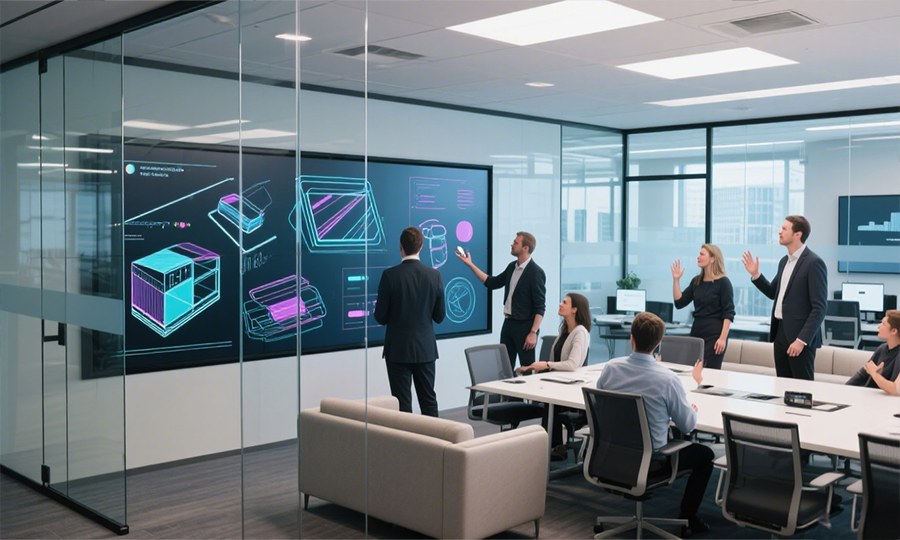
Quickly understand indoor LED screens
An indoor LED screen is a large format screen based on LED technology, composed of several cabinets that seamlessly join together. Unlike other display technologies such as LCD or OLED, indoor LED screens can display both static images and videos without any visible seams, providing a smooth and continuous viewing experience.
In today’s dynamic event and entertainment industries, the demand for versatile and high-quality visual displays has skyrocketed. One technology stands out among the rest: the indoor LED screen. But what exactly is an indoor LED screen, and why is it gaining popularity among event rental businesses, event planners, LED dance floor distributors, nightclub and bar owners? Let me give you a brief introduction.

What Is Indoor LED Screen Wall?
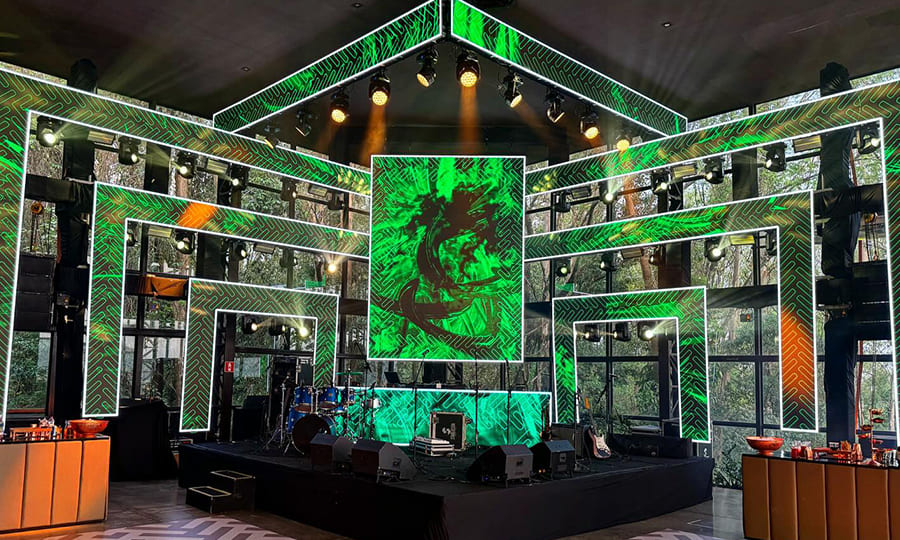
Several LED screens can be assembled to form an LED display wall.
These walls are commonly utilized in environments such as corporate lobbies, conference rooms, shopping centers, and entertainment venues, where striking visual displays are required. The ability to customize the size and configuration of these walls makes them incredibly versatile, allowing them to be tailored to meet the precise needs of any event or architectural space.
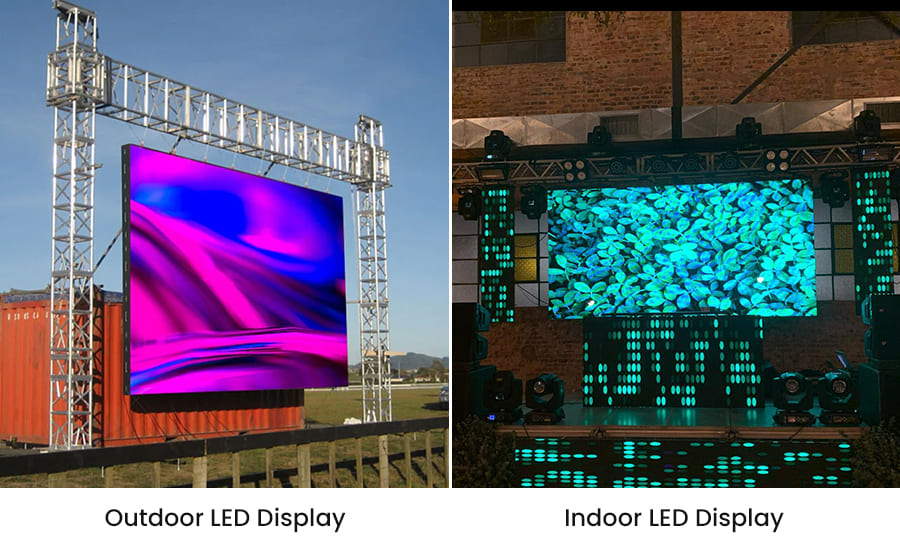
What Is the Difference Between Indoor and Outdoor LED Screens?
First, I would like to introduce the concept of pixel pitch.
In display technology, pixel pitch refers to the physical distance between the centers of two adjacent display pixels. This distance is typically measured in millimeters (mm) and is a key indicator for assessing the quality of a display’s resolution. The smaller the pixel pitch is , the more densely packed the pixels are, which results in higher screen resolution and more detailed and clear images.
Indoor LED screens typically feature finer pixel pitches ranging from P1.2 to P4. This smaller pixel pitch allows for a higher resolution display because the pixels are closer together, making the screen easier to view from shorter distances without noticing graininess.
Outdoor LED screens generally have coarser pixel pitches ranging from P4 to P10 or even larger. The larger distances between pixels are suitable for viewing from greater distances, which is common in outdoor settings.
Next, I will delve deeper into the differences between indoor and outdoor LED screens, from brightness to equipment maintenance, providing an in-depth comparison to help you choose the display screen that best suits your needs.
| Feature | Indoor LED Screens | Outdoor LED Screens |
|---|---|---|
| Brightness and Visibility | Lower brightness suitable for indoor use, reduces energy consumption and extends lifespan. | Higher brightness to ensure visibility even in direct sunlight. |
| Protection Level | Lower protection levels as they are not exposed to harsh weather, lighter and easier to install. | Higher waterproofing and dust resistance to withstand external conditions like wind and rain. |
| Pixel Pitch | Smaller pixel pitch for clearer images at closer viewing distances. | Larger pixel pitch suitable for viewing from farther distances. |
| Installation and Maintenance | More durable installations and rigorous maintenance, requires reinforced structures for enhanced stability and weather resistance. | More complex and costly installation and maintenance, requires special structures for support and protection. |
| Application Venues | Used in conference rooms, shopping malls, theaters, educational institutions for high-quality videos and images. | Used for advertising, sports venues, public information displays, adaptable to various climatic conditions. |
What Are the Advantages and Disadvantages of LED Screens?
Here is chart stating the advantages and disadvantages of LED screens.
| Category | Advantages | Disadvantages |
|---|---|---|
| Image Quality | High resolution, suitable for close viewing, clear and detailed images. | Higher manufacturing costs, substantial initial investment. |
| Brightness Adjustment | Automatically adjusts brightness based on indoor lighting conditions, energy-efficient and protective for viewers’ eyes. | May be hard to see in direct sunlight, depends on the technology of the screen. |
| Energy Consumption | Lower brightness requirements, more energy-efficient. | —— |
| Viewing Angle | Wide viewing angles with minimal loss in quality | —— |
| Installation and Maintenance | Equipped with modular panels that can be easily assembled and disassembled | Requires space for installation, heat generation may need additional cooling measures. |
What Is Indoor LED Screen Used For?
Indoor LED screens are not only versatile but also increasingly indispensable in various modern settings.
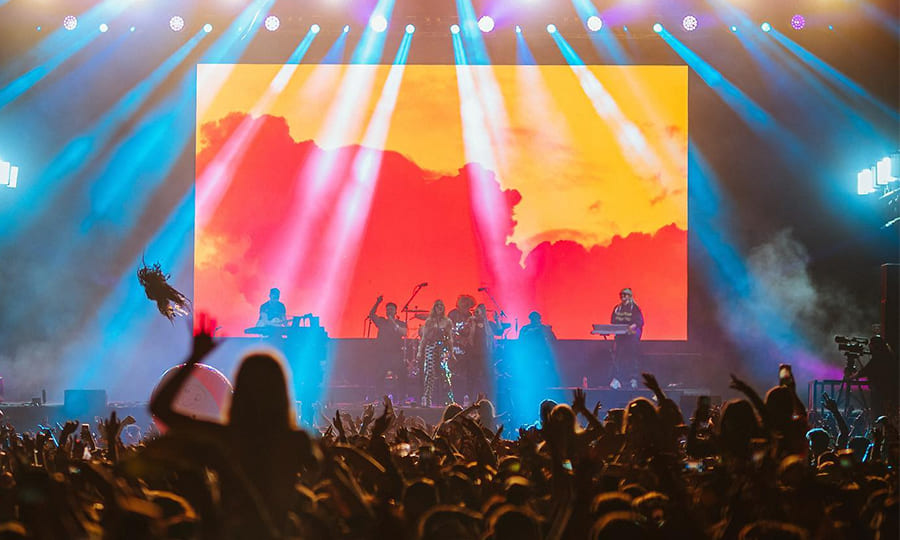
They are commonly utilized in concerts, where they magnify performances with close-up visuals and vibrant backdrops, heightening the audience’s engagement. During conferences and exhibitions, these screens serve a crucial role in displaying presentations and informational content, ensuring that every attendee, regardless of their seat, has a clear view of the proceedings.
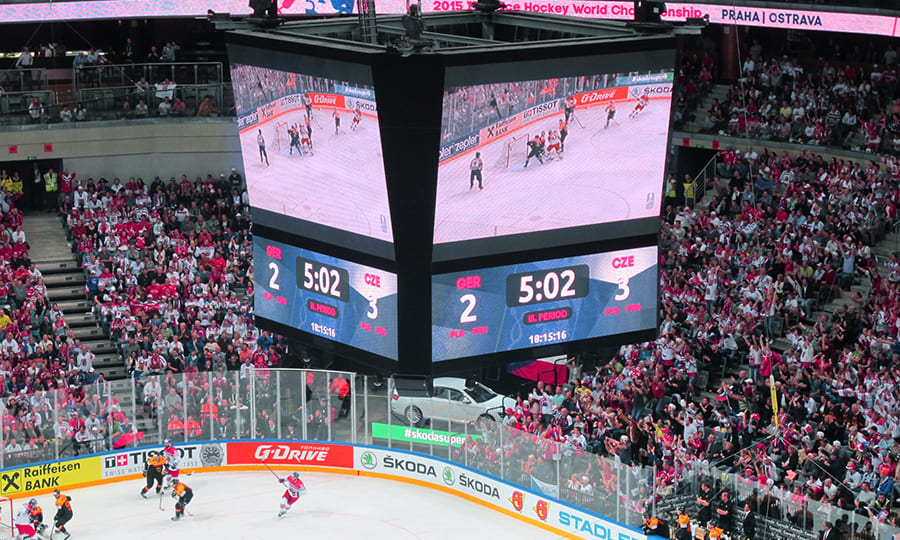
In the world of sports, indoor LED screens enhance fans’ experiences by showing live action, replays, and scores in large, vivid formats, making them feel closer to the action no matter where they are seated in the arena. This is essential for maintaining the excitement and flow of the game, especially in large venues.
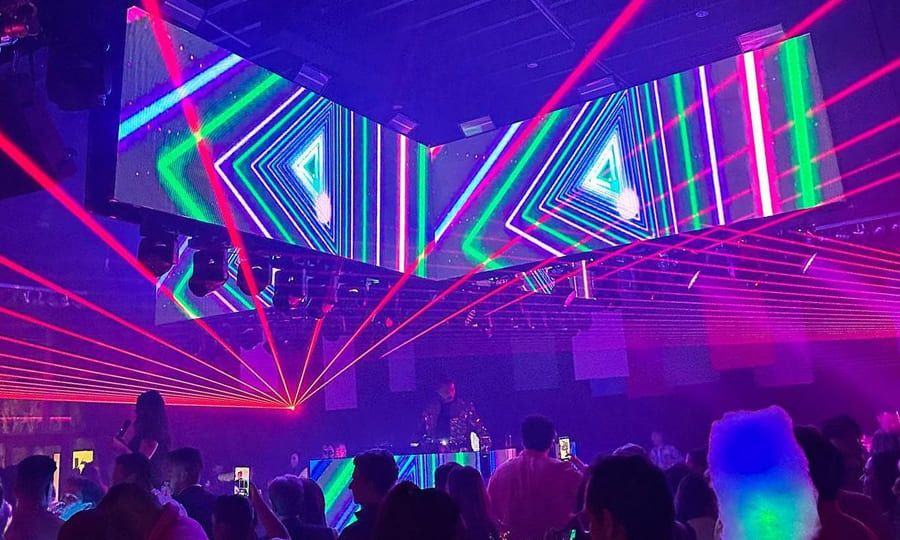
Furthermore, nightclubs and bars leverage these dynamic displays to create immersive environments. They synchronize visuals with music to produce rhythmic, pulsating effects that complement the venue’s atmosphere, turning an ordinary night out into a multi-media experience. These screens can transform a space with colorful, moving images that captivate customers, making the venue more attractive and memorable, which is key to customer retention and word-of-mouth promotion.
Indoor LED screens stand at the forefront of modern digital display technology, transforming how we experience entertainment, access information, and interact within public spaces. Their capacity to deliver high-quality, customizable content in real-time renders them indispensable across a wide range of applications.
Indoor LED Screen Price
The price of indoor LED display screens varies widely based on size, resolution, and brand. On average, prices can range from a few thousand dollars for smaller setups to tens of thousands for large, high-resolution screens.
| Size | Pixel Pitch Classification | Common Cost Range |
|---|---|---|
| Small (2m x 1m or 6.5ft x 3.3ft) | Low-End (P4 to P6) | $1,000 to $3,000 |
| Mid-Range (P3) | $3,000 to $6,000 | |
| High-End (P2 or finer) | $6,000 to $10,000 | |
| Medium (4m x 2m or 13ft x 6.5ft) | Low-End (P4 to P6) | $4,000 to $8,000 |
| Mid-Range (P3) | $8,000 to $16,000 | |
| High-End (P2 or finer) | $16,000 to $25,000 | |
| Large (6m x 3m or 20ft x 10ft) | Low-End (P4 to P6) | $9,000 to $18,000 |
| Mid-Range (P3) | $18,000 to $36,000 | |
| High-End (P2 or finer) | $36,000 to $50,000+ |
Summary
In conclusion, indoor LED screens offer unparalleled visual quality and versatility, making them a top choice not only for event planners, venue owners, and advertisers, but also for various venues. Their ability to deliver high-resolution images and videos in various indoor settings makes them an essential tool for creating memorable and engaging experiences. If you’re considering investing in an indoor LED screen, please feel free to contact us through our websites!