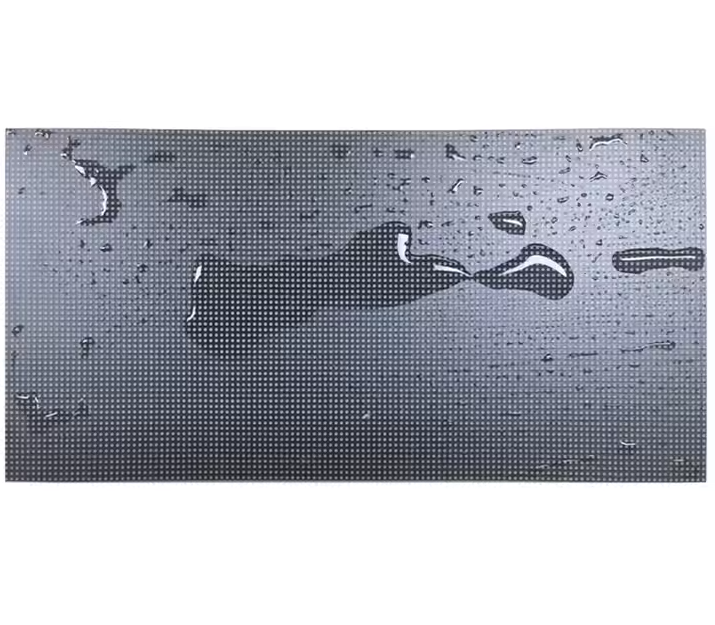
LED Screen IP Protection Level Guide: Essential Knowledge for Beginners to Experts
Introduction
LED displays are everywhere daily, from mall advertising to stage performances and outdoor events. Their excellent performance makes them a popular choice across industries. However, when choosing an LED screen, another crucial factor often overlooked is the IP rating.
What is an IP rating? What are the common IP parameters? How do different LED displays vary in IP rating?
This article will explore these questions and help you choose the right LED screen IP rating for your needs.

What is IP Rating?
IP rating stands for ‘Ingress Protection’ and measures the protection electronic devices have against solid and liquid intrusion.
This standard is set by the International Electrotechnical Commission (IEC) and is widely used for various electronic devices.
For LED screens, the IP rating determines how well the screen is protected from dust and water, directly affecting its performance in different environments.

What do the digits in IP mean?
The LED screen IP rating starts with ‘IP’ followed by two numbers, e.g. IP65 or IP54.
-
The first digit
The first digit represents the device’s protection against solid particles (such as dust), ranging from 0 to 6.
The higher the number, the better the dust protection.
0: No protection
1: Protects against solid objects larger than 50 mm (e.g., a hand)
2: Protects against solid objects larger than 12.5 mm (e.g., a finger)
3: Protects against solid objects larger than 2.5 mm (e.g., small tools)
4: Protects against solid objects larger than 1 mm (e.g., sand)
5: Partially protects against dust, but does not affect normal operation
6: Completely dustproof, with no dust entering the device.
-
The second digit
The second digit measures the device’s protection against liquids (such as water), ranging from 0 to 9.
The higher the number, the stronger the water resistance.
0: No protection
1-4: Protects against water splashes or drips from different angles
5-6: Can withstand low or high-pressure water jets, such as in heavy rain
7: Can be submerged in water up to 1 meter deep for a short period
8: Can be submerged in water deeper than 1 meter for an extended period
9: Can withstand high-pressure, high-temperature water jets, suitable for extreme environments
With a clear understanding of these two digits, you can quickly assess the protection level of a device.
For example, an LED screen with an IP65 rating is fully dustproof and can withstand low-pressure water jets, making it ideal for outdoor use.
Why is the LED screen’s IP Rating important?
When selecting an LED display panel, the IP rating is an essential factor that shouldn’t be overlooked.
It directly impacts the screen’s performance, reliability, and lifespan in the following ways:
Durability
A higher IP rating means the LED display can better withstand harsh environments, such as strong winds and heavy rain.
For outdoor use, a high IP rating not only reduces maintenance frequency and ensures stability but also extends the screen’s lifespan.
Safety
Without adequate protection against dust and water, LED displays can suffer from water penetration into the circuitry, leading to short circuits or even fire hazards.
Therefore, even for indoor use, choosing a display with a good IP rating helps prevent moisture or steam from seeping in, reducing safety risks.
Maintenance Costs
LED screens with a higher IP rating generally require less maintenance. Even indoors, dust can accumulate on the screen.
A higher IP rating helps prevent water and dust intrusion, reducing wear on the equipment and extending cleaning cycles, ultimately lowering maintenance costs.
Differences in IP Ratings for Different LED Displays
Indoor LED Displays
Indoor LED displays typically don’t face extreme weather conditions, but still need to handle dust and humidity over time.
Therefore, there is still an IP rating demand for indoor LED displays, but it is relatively low.
IP54 or IP55 provides adequate protection against dust and moisture, helping to extend the display’s lifespan.
In clean, low-humidity environments (such as offices), IP43 or IP44 ratings may be enough.
Outdoor LED Displays
Outdoor LED displays are exposed to harsh elements like rain, dust, and UV rays, so they need a higher IP rating to function reliably.An
A IP65 or higher rating is usually required for outdoor environments.
For LED displays exposed to outdoor environments for a long time, such as outdoor advertising screens, sports stadium displays, and other places, displays above IP65 can effectively avoid failures caused by rain, sand, and other factors to ensure stable display.
Semi-Outdoor LED Displays
Semi-outdoor environments, such as areas partially shielded from the elements (e.g., display zones outside malls or exhibition spaces), require displays with moderate protection.
For such environments, IP54 or IP55 LED displays are the more common choices.
It can protect against limited ingress of sand and light rain, making it suitable for use in most semi-outdoor environments.
Common IP Parameters When Purchasing LED Displays
IP40 LED Display: Basic Dust Protection (No Water Resistance)
- Dust Protection: Level 4 protects against larger dust particles and sand.
- Water Resistance: No water protection; it doesn’t prevent water droplets or rain from entering.
- Recommended Use: Indoor environments
Ideal for indoor locations with minimal exposure to water and dust, such as meeting rooms, airport billboards, or stage backdrops.
These environments typically have clean air, so high water resistance isn’t needed.
IP45 LED Display: Light Dust and Splash Protection
- Dust Protection: Level 4 prevents solid objects larger than 1mm from entering, suitable for mildly polluted environments.
- Water Resistance: Level 5 protects against water splashes from any direction (e.g., rain or steam) but can’t withstand high-pressure water.
- Recommended Use: Semi-outdoor environments
Ideal for outdoor displays in malls, street-facing ads, exhibitions, etc.
It offers protection against moderate dust and occasional splashes but isn’t suited for extreme weather conditions.
IP65 LED Display: Full Dust and Water Jet Protection
- Dust Protection: Level 6 ensures no dust can enter.
- Water Resistance: Level 5 protects against water jets, making it perfect for outdoor use.
- Recommended Use: Outdoor environments
IP65 is ideal for outdoor LED displays, protecting against dust, rain, wind, and UV exposure.
Common applications include outdoor mall ads, open-air sports venues, and station displays.
2. LED Screen That Shines Bright No Matter the Weather!
0:16
IP66 LED Display: Enhanced Dust and Water Resistance
- Dust Protection: Level 6 ensures complete dust protection.
- Water Resistance: Level 6 protects against strong water jets, suitable for heavy rain or high-pressure water flow (e.g., direct water sprays).
- Recommended Use: Outdoor environments
IP66 LED displays can withstand extreme weather, ensuring long-term stability and reliability.
They are perfect for coastal areas, industrial zones, or locations with frequent heavy rain, such as ports or airports.
How to Choose the Right IP Rating?
Choosing the right IP rating is crucial for the long-term use and stability of LED displays.
Here are a few key factors that will hopefully help you make the right choice:
Natural Environment
- Humidity and Temperature
If your LED screen is installed in areas with high humidity or significant temperature variations, such as coastal cities or mountainous regions, choosing a higher IP rating (like IP65 or IP66) can effectively protect the screen from moisture and condensation.
- Dust and Pollution
In environments with heavy dust or pollution, such as construction sites or streets, your LED screen requires stronger dust protection.
Choosing an IP rating of IP65 or higher ensures that the internal components of the screen are shielded from dust and sand, preventing malfunctions.

Waterproof outdoor rental LED display panel
Installation Location
The installation location directly determines the required IP rating for the LED screen.
- Exposed Environments
If the LED screen is fully exposed in an open area, subjected to outdoor conditions, an IP65 or IP66 rating is necessary to provide maximum protection from the elements.
- Partially Protected Environments
If the screen is installed in a location with some form of shelter or partial protection, such as under a canopy or in an outdoor exhibition space, an IP45 or IP54 rating will provide adequate protection.
- Indoor Environments
LED screens installed indoors are generally not exposed to rain or strong winds, so the requirements for dust and water protection are lower.
An IP40 or IP43 rating is sufficient to handle typical indoor dust and light moisture.
Budget and Cost-Effectiveness
While higher IP ratings provide better protection, they come with higher costs.
If the environment where the LED screen is installed is not particularly harsh, and your budget is limited.
An IP45 or IP54 rating can still meet the needs and provide sufficient protection for the screen’s longevity.
LED Screen IP Ratings Chart
| IP Rating | Dust Protection | Water Protection | Suitable for | Typical Applications |
| IP30 | Protection against objects > 2.5mm in diameter | No water protection | Indoor environments with low dust exposure | Indoor spaces with minimal dust |
| IP31 | Protection against objects > 2.5mm in diameter | Protection against water drip (vertical) | Indoor environments with occasional moisture | Offices, retail environments |
| IP40 | Protection against objects > 1mm in diameter | No water protection | Indoor environments with minimal dust and moisture | Offices, indoor digital signage, exhibitions |
| IP43 | Protection against objects > 1mm in diameter | Protection against water splashing at up to 60° | Indoor environments or areas with light moisture | Retail spaces, conference rooms, indoor events |
| IP45 | Protection against objects > 1mm in diameter | Protection against water splashing | Semi-outdoor environments with occasional rain and dust | Exhibition booths, covered outdoor spaces |
| IP54 | Protection against dust (limited ingress) | Protection against water splashing and dust | Semi-outdoor spaces with occasional exposure to rain | Outdoor digital signage under canopies, street kiosks |
| IP65 | Fully dust-tight | Protection against water jets (no ingress) | Outdoor environments with exposure to rain and dust | Outdoor advertising, stadiums, public transportation |
| IP66 | Fully dust-tight | Protection against powerful water jets | Extreme outdoor environments with heavy rain, sand, or high-pressure water | Coastal areas, severe weather areas, outdoor digital displays |
| IP67 | Fully dust-tight | Protection against temporary immersion | Outdoor environments with high exposure to rain and moisture | Marine environments, extreme weather locations |
FAQs About LED Screen IP Rating
- Q1: What IP rating is waterproof?
Internationally, the second digit in the IP rating indicates waterproof capability. IPX5 and above offer water resistance.
IPX6 and IPX7 protect against strong water jets and short-term immersion, while IPX8 means the device is fully waterproof and can be submerged for extended periods.
- Q2: Can an LED screen with a lower IP rating still be used outdoors?
LED screens with lower IP ratings (like IP40 or IP43) are suitable for mild outdoor conditions, offering protection against light dust and water splashes.
However, they aren’t ideal for harsh weather, such as heavy rain or strong winds.
- Q3: Can LED screen IP65 rating be used in all weather conditions?
IP65 rating screens are dust-tight and water-resistant, making them suitable for most outdoor environments.
However, extreme conditions like heavy rain or sandstorms may affect their performance. For harsher environments, consider higher ratings like IP66 or IP67.
- Q4: Does the IP rating correlate with the lifetime of the LED screen?
Yes, the higher IP rating generally means better protection against environmental factors, which can extend the screen’s lifespan by maintaining stable performance in harsh conditions.
Conclusion
This blog post discusses LED screen IP ratings in detail.
Different IP ratings represent the LED display’s environmental tolerance. Unsure which to choose? Feel free to contact us! We’re here to help!