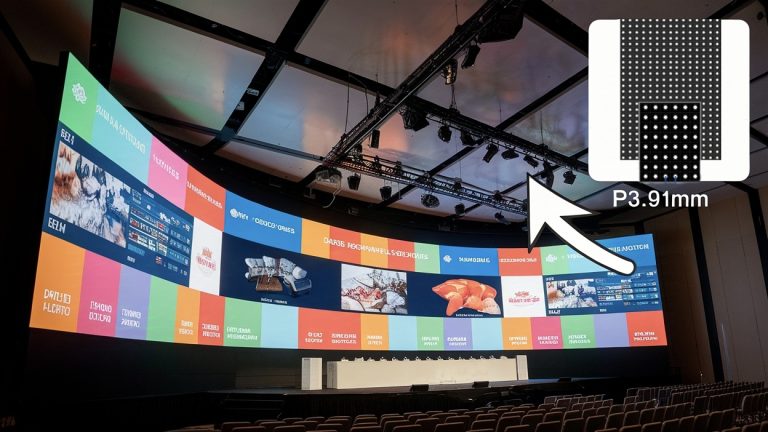
Innovative Design and Industry Application Panorama of Flexible LED Screen
Flexible LED screen panels(also called soft LED modules or bendable LED displays) are bendable, lightweight LED display modules designed to form shapes that traditional flat panels simply can’t achieve. Instead of being built on rigid circuit boards, they use soft, flexible materials—often silicone and thin PCBs—that allow the panel to curve smoothly without distorting the image. This flexibility makes them ideal for creative installations where the display needs to wrap around a column, bend into a wave, or form a cylindrical or concave surface.
The technology works by embedding LEDs into a pliable substrate that can bend while maintaining consistent pixel spacing. Magnetic or lightweight mounting systems help the panels attach securely to irregular surfaces, and because they’re thin and light, they’re far easier to install in tight or unconventional spaces. Despite their flexibility, they still deliver the same core performance you’d expect from an LED display: high brightness, vivid colour, and seamless image reproduction.
You’ll see flexible LED panels used in places where visual creativity matters. Concert stages often use them to create curved backdrops or immersive tunnels. Retail environments wrap them around pillars or use them to create sculptural digital signage that draws attention from every angle. Museums and experience centres rely on them for artistic installations, while architects integrate them into curved walls or façades to turn a building’s shape into a digital canvas.
Compared with traditional rigid LED panels, flexible panels open the door to far more imaginative designs. Rigid panels are excellent for flat, durable, cost‑efficient displays, but they can’t adapt to unusual shapes. Flexible panels, on the other hand, trade a bit of ruggedness and cost efficiency for creative freedom, making them the go‑to choice when the goal is to build something visually striking rather than simply functional.

Core Features & How They Work
Pliable Substrate: The LEDs are mounted on a bendable material like polyimide or silicone, which can withstand repeated bending without breaking the circuit.
Magnetic Attachment: Most flexible panels feature strong magnets on the back. This allows them to be easily “snapped” onto a custom-designed iron frame or curved structure.
Ultra-Thin & Lightweight: These modules are significantly lighter than standard panels (some weighing as little as 170g to 270g per module), making them ideal for weight-sensitive installations.
Seamless Splicing: Because they are thin and frame-less, they can be tiled together to create large, continuous displays with no visible seams, even on complex curves.
Common Uses & Applications
Across the events world, they’re used to create immersive stage backdrops, curved tunnels, circular screens, and dynamic set pieces for concerts, festivals, and televised productions. Their ability to bend without breaking the visual continuity makes them ideal for dramatic, high‑impact environments where the display becomes part of the architecture rather than just a flat screen.
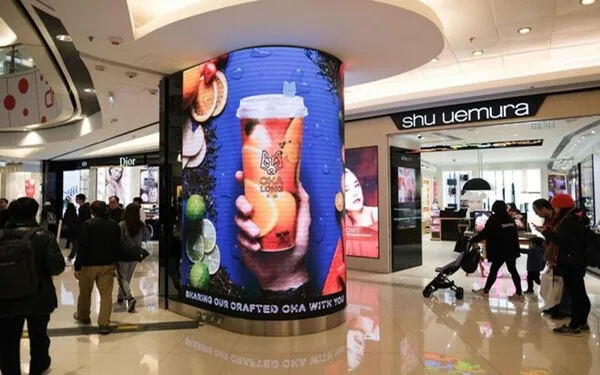
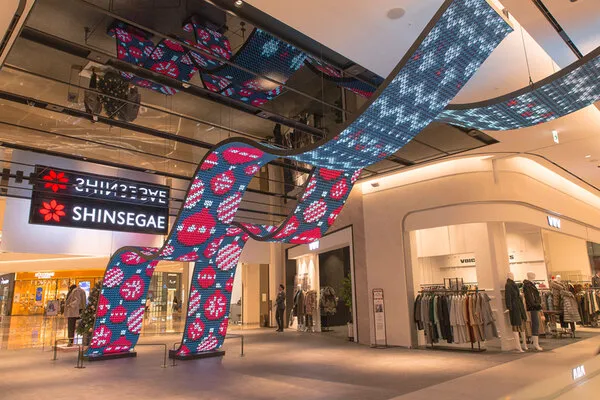
Retail and commercial spaces use them to transform columns, curved walls, and store façades into digital canvases. Shopping centres often wrap them around pillars or suspend them as flowing ribbons of content that guide foot traffic and elevate the atmosphere. Because they’re lightweight, they can be installed in places where traditional LED cabinets would be too heavy or bulky.
Museums, galleries, and experience centres rely on flexible LED panels for artistic installations that blend storytelling with digital sculpture. These displays can form spirals, waves, or organic shapes that complement the theme of an exhibition and create memorable visual moments for visitors.
In corporate and hospitality environments, flexible LED screens appear in hotel lobbies, conference centres, and flagship offices as curved welcome walls or ambient digital art pieces. They help brands create a sense of innovation and sophistication without being limited to flat surfaces.
Architectural applications are growing quickly as well. Designers integrate flexible LED modules into building contours, domes, and façades to create media architecture that responds to the shape of the structure. This is especially popular in Asia and the Middle East, where large‑scale digital landmarks are common.
Sports venues and arenas use them for circular scoreboards, curved perimeter displays, and immersive fan‑engagement zones. Transportation hubs—airports, train stations, cruise terminals—use them for curved information walls and wayfinding features that are visible from multiple angles.
Even the entertainment and nightlife industries have embraced them. Clubs, lounges, and themed attractions use flexible LED panels to create wraparound ceilings, flowing digital sculptures, and 360‑degree visual environments that sync with music and lighting.
Why Use Flexible LED Panels?
Choosing flexible LED panels over traditional rigid ones is usually a decision driven by design freedom, logistics, and installation environment. While rigid panels are the standard for flat billboards, flexible panels solve problems that “stiff” technology simply can’t.
Creative Freedom:
- They allow designers to break free from flat, rectangular screens and explore curved, dynamic forms that better match architectural or artistic visions.
Space Utilization:
- Ideal for irregular or tight spaces where traditional screens won’t fit.
Enhanced Engagement:
- Novel forms and motion graphics naturally draw more attention in public and commercial settings.
Cost & Maintenance Benefits:
- Lightweight, energy-efficient designs often result in lower installation and operating costs than heavier traditional screens.
| Application | Description |
| Cylindrical Pillars | Wrapping screens around columns in shopping malls, airports, or hotel lobbies for 360-degree visibility. |
| Stage & Studio | Creating “wave” backdrops, curved arches, or circular centerpieces for concerts, theater, and TV news sets. |
| Retail Displays | Concave or convex window displays that follow the contour of a store’s architecture to grab attention. |
| Museums & Galleries | Spherical or “ribbon” displays that guide visitors through an exhibit or act as a digital art installation. |
| Automotive | Integrating screens into curved dashboards or central control panels for high-end vehicle interiors. |
Real-world applications
Flexible LED panels have moved from futuristic concepts to massive, real-world engineering feats. Here are some of the most famous and impactful examples of this technology in action across the globe:
The Sphere at Venetian Resort (Las Vegas, USA)
The most famous example of flexible LED technology in the world.
The “Exosphere”: The exterior is a 580,000 sq ft spherical surface covered in 1.2 million LED “pucks.” Because the building is a perfect ball, only flexible/curved mounting systems could achieve this seamless look.
The Interior: Inside is a 160,000 sq ft 16K resolution wraparound screen that curves over and behind the audience, creating a fully immersive environment without any visible flat edges or corners.
The “Infinity Screen” at SoFi Stadium (Los Angeles, USA)
Located in the home of the LA Rams and Chargers, this is a double-sided, ovular video board suspended above the field.
The Design: It is a 70,000 sq ft “Samsung Infinity Screen.” It isn’t just a circle; it’s a complex, curved ribbon that provides a 360-degree view to every fan in the stadium.
The Tech: Its curved nature ensures that fans sitting in the “bowl” have an undistorted view of the replays and stats, regardless of their angle.
Mercedes-Benz Stadium “Halo Board” (Atlanta, USA)
Similar to SoFi but integrated directly into the roof structure.
The Use: A massive 62,000 sq ft circular LED display that follows the rim of the stadium’s retractable roof.
The Impact: Because it is curved into a “halo,” it feels like a natural part of the architecture rather than a screen hung on a wall.
Mall Taman Anggrek (Jakarta, Indonesia)
This mall holds a world record for one of the longest LED displays integrated into a building’s facade.
The Setup: It uses a flexible “ribbon” design that wraps around the exterior of the building.
The Purpose: It transforms the entire shopping mall into a giant digital canvas for advertising and art, following the curved architectural lines of the structure.
High-End Retail: Boutique Displays (Global)
Beyond “mega-projects,” flexible LEDs are used daily in luxury retail:
Nike/Adidas Flagship Stores: Often use Cylindrical LED Pillars that wrap around structural columns to show running athletes or flowing liquid patterns.
Louis Vuitton/Dior: Frequently use Wave-shaped LED Backdrops in window displays to create a sense of movement that matches the flow of fabric or seasonal themes.
Transportation Hubs (Airports & Train Stations)
Curved Information Towers: Many modern airports (like Singapore Changi or Istanbul Airport) use curved LED screens wrapped around circular information desks or elevators to provide flight data that can be seen from any direction.
Ceiling Canopies: The “Sky Screen” at The Place in Beijing is a massive 250-meter long overhead LED canopy that creates a digital “sky” for shoppers below.

Conclusion
Flexible LED screen panels represent a major leap in display technology, offering a level of versatility and creativity that traditional rigid panels simply cannot match. Their ability to bend, curve, and adapt to unconventional spaces makes them a powerful tool for industries ranging from advertising and entertainment to architecture and public infrastructure.
Beyond their technical advantages—such as energy efficiency, durability, and high-resolution visuals—flexible LED panels embody a shift in how we communicate visually. They allow businesses, artists, and designers to break free from flat, rectangular formats and explore immersive, dynamic experiences that capture attention in ways previously unimaginable.
While challenges like cost and installation complexity remain, the rapid pace of innovation suggests these barriers will continue to shrink. As manufacturing techniques improve and demand grows, flexible LED technology is likely to become more accessible, paving the way for widespread adoption across everyday environments.
Ultimately, flexible LED panels are not just a display solution—they are a canvas for creativity. From wrapping around skyscrapers to transforming concert stages into living works of art, they redefine what digital storytelling can look like. As cities evolve into smarter, more connected spaces, these panels will play a central role in shaping the visual language of the future.