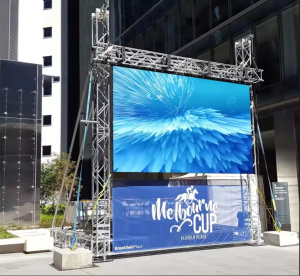
How to select the optimal rental LED screen for your event?
Introduction
Planning an event? You must be interested in how to choose the best LED screen hire for events!
Whether it’s a music festival, trade show, corporate gathering, or product launch, a great screen helps bring your visuals to life and grabs your audience’s attention.
But with so many options—different pixel pitches, brightness levels, screen sizes, and installation types—it’s easy to feel overwhelmed.
That’s why we’ve put together this practical guide to help you choose the right LED screen rental for your events, with clarity and confidence.
Tips For LED Screen Hire For Events
A well-chosen LED screen for events ensures stunning visuals, enhances audience engagement, and aligns with your budget.
Picking the wrong screen can lead to blurry images, poor visibility, or unnecessary costs.
In this guide, we’ll cover:
- How to match your event’s needs with the right screen specifications
- Key factors like pixel pitch, brightness, and screen size
- Tips for choosing a reliable events LED screen supplier
- Common mistakes to avoid
- Cost-saving strategies and emerging LED trends
Identify Your Event’s Needs
Before comparing LED rental screens, clarify your event’s need. The ideal LED screen hire for events depends on the event type, location, and audience.
Indoor vs. Outdoor Use
- Indoor Screens: Ideal for conferences, exhibitions, or indoor concerts.
- They require lower brightness (1,500–3,000 nits) and finer pixel pitches for close-up viewing.

- Outdoor Screens: Built for festivals or sports events, these need high brightness (5,000–8,000 nits) and weather resistance (IP65 or higher) for sunlight visibility and durability.

Event Type
- Concerts and Festivals: Large screens with high refresh rates (3840Hz+) for dynamic live video and vibrant colors.
- Trade Shows and Corporate Events: Fine-pitch displays (P1.5–P2.5) for detailed graphics and close-range viewing.
- Sporting Events: Modular, outdoor screens (P6–P10) for large crowds at stadiums or arenas.
- Product Launches: High-definition screens with superior color accuracy for immersive visuals.
- Mobile Promotions: Mobile LED trucks or LED screen trailers for flexible, on-the-go displays.
Pixel Pitch and Viewing Distance
What Is Pixel Pitch?
Pixel pitch, measured in millimeters (mm), is the distance between adjacent pixels on an LED screen.
Smaller pixel pitches (e.g., P1.5) pack more pixels per square meter, delivering higher resolution for close-up viewing.
Larger pitches (e.g., P6) are suited for distant audiences, balancing cost and visibility.

How to Choose the Right Pixel Pitch
The ideal pixel pitch depends on the minimum viewing distance and event type.
A pitch too large for close viewers causes blurry visuals; an overly fine pitch for distant audiences wastes money.
Here’s a detailed guide for screen hire for events:
|
Pixel Pitch |
Viewing Distance |
Resolution (Pixels/m²) |
Typical Use |
|---|---|---|---|
|
P1.2–P1.9 |
1–3 meters |
250,000–694,444 |
Ultra high definition indoor (e.g., product launches, trade shows) |
|
P2.0–P2.9 |
2–5 meters |
111,111–250,000 |
Indoor, close-up (e.g., conferences, exhibitions) |
|
P3.0–P4.9 |
4–8 meters |
40,000–111,111 |
Mid-range (e.g., concerts, corporate stages) |
|
P5.0–P7.9 |
8–12 meters |
16,000–40,000 |
Outdoor, medium-range (e.g., festivals, sports events) |
|
P8.0–P10.0 |
12+ meters |
10,000–16,000 |
Large outdoor audiences (e.g., stadiums, public events) |
Pro Tip: Use the formula: Viewing Distance (meters) ≈ Pixel Pitch (mm) for a quick estimate.
For complex setups, consult a rental LED display supplier like Viboled, known for tailored pixel pitch recommendations.
Want to learn more? Read our full guide to How to Choose the Right Pixel Pitch
Brightness and Environmental Factors
Why Brightness Matters
Brightness, measured in nits (candela per square meter), determines how well your screen performs in ambient lighting.
Insufficient brightness causes washed-out visuals, while excessive brightness wastes power and strains eyes indoors.
- Indoor: 1,500–3,000 nits for controlled lighting (e.g., conference halls, exhibition centers).
- Outdoor: 5,000–8,000 nits for daylight visibility (e.g., festivals, sports events).
Automatic Brightness Adjustment
High brightness increases costs and power use. Hence, you should avoid excessive brightness indoors to prevent eye strain.
Modern LED screens feature ambient light sensors that adjust brightness dynamically based on surroundings.
It saves energy and enhances viewer comfort, especially for outdoor events with changing light conditions.

Pro Tip:
- Cost vs. Performance: Higher brightness increases rental costs and power consumption. For indoor events LED screen, 800 nits may suffice, saving budget.
- Eye Comfort: Excessive brightness indoors (e.g., 3,000 nits) causes discomfort. Use dimmable screens for flexibility.
Select the Right Event LED Screen Size and Aspect Ratio
Determining Screen Size
LED Screen size impacts audience experience and venue suitability.
Key factors include:
- Audience Distance:
Larger LED screens are needed for further viewers. Screen Width (feet) ≈ Viewing Distance (feet) / 1.5.
For example, if the viewing distance is 30 feet, it is best to choose a 20-foot-wide screen.
- Audience Size:
Larger crowds require bigger event screens for visibility.
A 500-person conference may need a 3–5-meter screen, while a 10,000-person festival needs 10–15 meters.
- Venue Constraints:
Consider the limitations of stage height, ceiling gap, or outdoor installation.
In a typical indoor space, the height of the screen might be limited to 2 meters.
Screen Size Recommendations by Event:
|
Event Type |
Audience Size |
Recommended Width |
Example Use Case |
|---|---|---|---|
|
Small Conference |
50–200 |
2–4 meters |
Keynote presentation |
|
Trade Show Booth |
100–500 |
3–6 meters |
Product demo display |
|
Corporate Event |
500–2,000 |
5–8 meters |
Annual meeting stage |
|
Music Festival |
5,000–20,000 |
10–15 meters |
Live video feed |
|
Sports Event |
10,000+ |
12–20 meters |
Stadium scoreboard |
Aspect Ratio Options
Here’s a video that explains in detail how the aspect ratio of an LED screen affects your content.
- 16:9 (Standard Widescreen)
This is the most widely used aspect ratio across modern devices, including TVs, laptops, and smartphones. It’s also the standard for most LED screen hire for events.
Why? Because 16:9 is ideal for displaying high-definition (HD) and full-HD content, making it a reliable choice for events, video presentations, and live broadcasts.
Best for: HD video, live events, corporate presentations, and concerts.
- 4:3 (Traditional Format)
Once the standard for older TVs and computer monitors, 4:3 is less common today but still appears in certain use cases.
It’s often preferred for PowerPoint presentations and venues using older AV systems.
Best for: Slide-based presentations, smaller venues, and legacy content.
- 21:9 – Ultra-Wide Cinema View
Known as the ultra-widescreen format, 21:9 delivers a cinematic look.
It provides a wider field of view, making it ideal for film screenings, digital art installations, or high-end product launches where immersive visuals matter.
Best for: Film projection, immersive experiences, and creative staging.
- 32:9 – Super Ultra-Wide
This is a specialty format, often used for gaming monitors or large-scale multi-screen installations.
While not commonly used in standard LED screen rentals, it can be impressive in unique, attention-grabbing display setups.
Want to learn more? Read our full guide to Underdstand Different the Screen Ratio
Ensure High Visual Performance
Refresh Rate
Refresh rate (Hz) measures how often the screen updates.
Low refresh rates can result in flickering footage, especially noticeable during live broadcasts.
A high refresh rate, on the other hand, ensures that content or high-speed action is visually clear. Therefore, at least 3840Hz is recommended if you want smooth visuals.
Color Accuracy
Choose an LED screen with 16-bit color depth and high grayscale for vivid and lifelike images.
This is critical for product launches or brand-focused events.
Please note that before the event, calibrate the color and brightness on the LED panel hire for events to prevent inconsistent colors on the screen.
Viewing Angles
- Horizontal/Vertical Angles:
Choose a screen with a 140°-160° viewing angle to get consistent brightness and color from an off-axis position. The 140° viewing angle is currently widely used.
- Anti-Glare Coatings:
Reduce reflections in bright environments, enhancing outdoor performance.
Account for Weather Resistance and Durability
Outdoor Requirements
- IP65 Rating: Protects against dust and water, ideal for rain or dusty environments.
- Temperature Resilience: Operates in extreme heat or cold (e.g., -20°C to 50°C).
- Anti-UV Coating: Prevents sun damage and discoloration.

Rugged Design
You should be concerned about whether the LED screen can withstand transportation, frequent vibrations, and some of the more severe outdoor conditions.
Look for LED screen hire for events with reinforced frames and cabinets made of die-cast aluminum.
You can verify the IP rating and temperature range with the LED screen supplier to ensure reliability.
Budget and Rental Costs
Cost Factors
LED display rental costs vary based on several factors:
-
- Screen Size: Larger LED screens for events (e.g., 12m vs. 4m) cost more due to material and setup requirements.
- Pixel Pitch: pixel pitches (e.g. P1.9) are more expensive than larger ones (e.g. P8) due to higher resolution.
- Rental Duration: Daily rates are higher than weekly or monthly rates. Example: A 4m P2.5 screen may cost $1,000/day but $4,500/week.
- Additional Services: Installation, technical support, media servers, or content creation add 20–50% to costs.
Cost Details Example
The cost breakdown provided is a reference guide based on events LED display screen industry averages and may vary depending on specific suppliers, regions, or event requirements.
| Screen Type | Size | Pixel Pitch | Brightness | Daily Rental | Weekly Rental | Additional Costs (Setup/Support) |
| Indoor | 4m | P1.9 | 2,000 nits | $1,200 | $5,500 | $500–$1,000 |
| Indoor | 6m | P2.5 | 2,500 nits | $1,800 | $8,000 | $800–$1,500 |
| Outdoor | 8m | P6 | 6,500 nits | $2,800 | $12,500 | $1,000–$2,000 |
| Outdoor | 12m | P8 | 7,000 nits | $4,000 | $18,000 | $1,500–$3,000 |
Hidden Costs to Avoid
- Late Fees: Late returns can incur penalties (e.g., 1.5x daily rate).
- Damage Charges: Clarify insurance or damage policies to avoid unexpected costs (e.g., $1,000 for a damaged panel).
- Power Requirements: High-brightness screens may require additional generators, costing $200–$500/day.
Select a Reliable Event LED Screen Supplier
Selecting a trustworthy rental LED screen supplier is critical to ensure your LED screen performs flawlessly during your event.
A reliable supplier provides high-quality equipment, technical support, and peace of mind.
Here’s how to evaluate potential LED display suppliers and what to prioritize.
Evaluation Criteria
-
Experience and Track Record:
Look for suppliers with a proven history of supporting events similar to yours, such as concerts, trade shows, or outdoor festivals.
Review their portfolio or case studies to confirm their expertise.
For example, a China rental LED display supplier like MuenLED has successfully provided screens for events ranging from corporate conferences to large-scale music festivals, demonstrating versatility and reliability.
-
Equipment Quality:
Ensure the LED display supplier offers modern events hire LED screens with high refresh rates (3840Hz+), appropriate pixel pitches, and weather resistance (IP65 for outdoor use).
Ask for detailed specs to confirm the equipment meets your needs.
-
Service Guarantees:
Choose a supplier with clear policies for equipment failures, such as backup screens or rapid repairs.
Reliable LED screen suppliers prioritize customer satisfaction and have contingency plans in place.
-
Customer Reviews and References:
Check online reviews or ask for references from past clients to gauge the LED screen factory’s reputation.
A supplier with consistent positive feedback is more likely to deliver a seamless experience.
Also, you can ask them questions:
-
What is the refresh rate and IP rating of your screens?
-
Do you provide on-site installation and technical support?
-
What is your process if a screen malfunctions during the event?
-
Can you share examples of similar events you’ve supported?
-
Are there discounts for longer rental periods or bundled services?
Common Mistakes to Avoid
- Choosing the Wrong Pixel Pitch: A P6 screen for a trade show booth will look pixelated up close.
- Ignoring Brightness Needs: A 3,000-nit screen outdoors will wash out in sunlight.
- Overlooking Weather Resistance: Non-IP65 screens risk failure in rain.
- Skipping Supplier Vetting: Unreliable suppliers may deliver faulty equipment or lack support.
- Neglecting Setup Time: Complex installations require extra planning to avoid delays.
Types of LED Screen Hire for Events
LED Screen Hire for Wedding
Turn your big day into a cinematic celebration! A wedding LED screen lets you share love stories, heartfelt moments, and live footage of your ceremony in vivid color.
Whether it’s playing your romantic video or broadcasting the dance floor in real time, the screen brings every emotion to life.
Even in bright venues, its high brightness ensures everyone enjoys a perfect view.
LED Screen for Stage Rental
Stage LED screens are perfect for concerts, award shows, and live performances.
They sync beautifully with lighting and sound, creating an unforgettable visual experience.
With pixel pitches like P2.9, P3.91, and P4.81, these panels deliver sharp, vibrant images that wow the audience from every seat.


LED Wall Hire for Concert
Designed for large events and festivals, concert LED displays capture every beat, every spotlight, and every crowd cheer.
With refresh rates above 3840Hz and wide viewing angles (160°/140°), fans get a crystal-clear view no matter where they stand.
Pure visual power that electrifies the show!
LED Display Hire for Movie Night
Whether it’s a community movie night or a private backyard screening, LED movie screens deliver rich colors and smooth motion — even outdoors.
With brightness over 5000 nits and high contrast, your audience enjoys every detail, even before sunset.
Grab some popcorn and let the screen do the storytelling.
LED Screen Rental for Trade Show
Want to steal the spotlight at your next exhibition? LED rental screens for trade shows make your booth stand out instantly.
From product videos to creative presentations, they help attract attention and engage your visitors.
With fine pixel pitches (P1.9–P3.9) and seamless visuals, your brand looks sharp, professional, and impossible to ignore.


LED Display Hire For Events Solutions
Indoor Rental LED Display Panel
Perfect for weddings, conferences, and gala events, our indoor LED displays make every moment shine.
Highlights:
- Pixel pitches from P1.9 to P3.9 for ultra-clear visuals
- Sleek, lightweight design — just under 80mm thick
- 3840Hz refresh rate ensures smooth video playback
- Quick setup with front or rear maintenance options
Outdoor LED Rental Board
When your event is under the open sky, this is the display you need. Ideal for concerts, festivals, sports matches, and outdoor ceremonies.
Highlights:
- Super bright (≥5500 nits) — perfectly visible even in sunlight
- IP65 waterproof and durable design for any weather
- Pixel options: P3.91, P4.81, P5.95
- Easy-to-install quick locks save time on setup
Transparent Rental LED Display
Want something unique and futuristic? Transparent LED displays are show-stoppers for product launches, exhibitions, and fashion shows.
Highlights:
- Up to 70–85% transparency for creative see-through visuals
- Ultra-slim and lightweight — effortless to install or hang
- 4500 nits brightness for stunning clarity
- Plug-and-play system for fast setup and removal
It’s modern, stylish, and guaranteed to impress your guests.


Mobile LED Screen Rental
Need your screen to move with your message? Mobile LED screens bring flexibility and visibility anywhere you go — roadshows, sports events, outdoor ads, or live broadcasts.
Highlights:
- Mounted on trucks or trailers for full mobility
- Screen sizes available: 6㎡, 8㎡, 12㎡, 20㎡
- High brightness (≥6000 nits) with full HD display
- Built-in power and control system — ready to use instantly
Drive your event’s message straight to the crowd, wherever they are!


Emerging LED Rental Screen Trends in 2025
Transparent LED Screens: A New Visual Dimension
Transparent LED screens are gaining traction for retail windows, trade show booths, and brand activations.
Their see-through design allows natural light to pass through while still displaying dynamic content.
This dual function makes them ideal for showcasing products without blocking visibility inside the venue.
- Why choose it? You get modern aesthetics, a lightweight setup, and high attention value—perfect for brands that want to turn heads.
- Best for: Retail pop-ups, automotive showrooms, and indoor exhibitions.

Curved and Flexible LED Screens: Creativity Without Limits
Curved LED screens enhance immersion by wrapping visuals around the viewer—great for concerts, product launches, or fashion shows.
Compared to standard LED walls, flexible LED panels go a step further, adapting to irregular surfaces, curves, and even columns, brinjing truly creative display layouts.
- Why choose it? These screens offer an unconventional wow factor, making your stage design or booth unforgettable.
- Best for: Stage designs, immersive art exhibits, high-end brand activations.

Energy-Efficient Displays: Lower Power, Higher Impact
Modern LED screen rental in 2025 is built with energy-saving technology.
They are used advanced drivers and lower-voltage components while maintaining high brightness and color fidelity.
For events running multiple screens or extended hours, these displays help cut operational costs significantly.
- Why choose it? Reduced electricity usage means more sustainable events and lower power bills—especially important for multi-day shows or outdoor festivals.
- Best for: Long-duration events, eco-conscious brands, and outdoor exhibitions.
Choosing a screen that aligns with the latest technology isn’t just about looking modern—it impacts your budget, audience experience, and brand perception.
Whether you’re aiming for sustainability, interactivity, or innovation, staying on top of 2025 trends ensures your event stands out and appeals to today’s tech-aware audiences.
Conclusion
Selecting the right LED screen rental is crucial for delivering a visually stunning and engaging experience at your event.
By understanding key factors like pixel pitch, brightness, screen size, and weather resistance, you can ensure optimal visibility and performance—whether you’re hosting a corporate conference, music festival, or outdoor sports event.