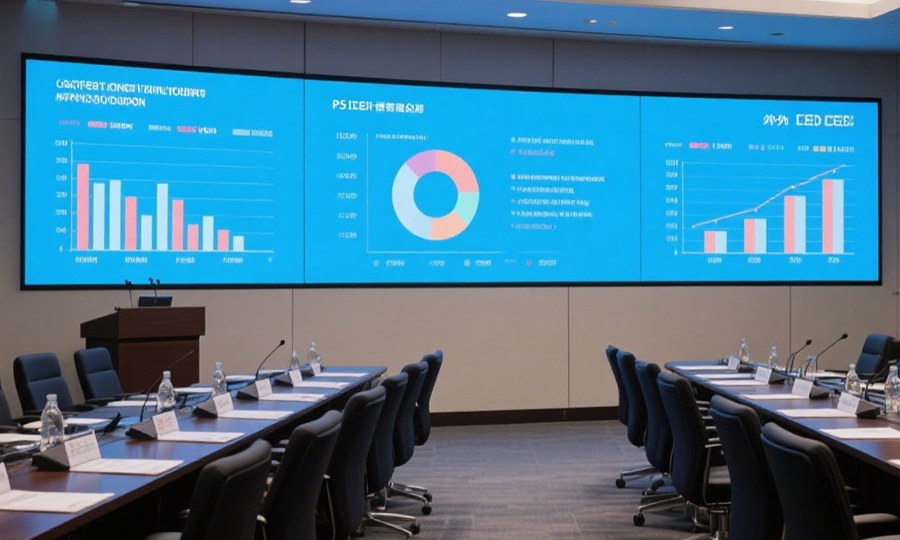
Fixed LED Screens: What They Are and Why Your Business Needs Them
Introduction: The Game-Changing Display Solution for Modern Businesses
In today’s fast-paced world, grabbing attention is tougher than ever. Are you struggling with bland signage that fails to engage customers? A fixed LED screen could be your answer, offering vibrant visuals and lasting durability. I’m here to break down what a fixed LED screen is and why it’s a game-changer for businesses like shopping malls, stadiums, and hotels. This article covers its definition, applications, benefits, and more. Let’s dive into how this technology can solve visibility and engagement challenges.

What Exactly Is a Fixed LED Screen? (Definition & Core Components)
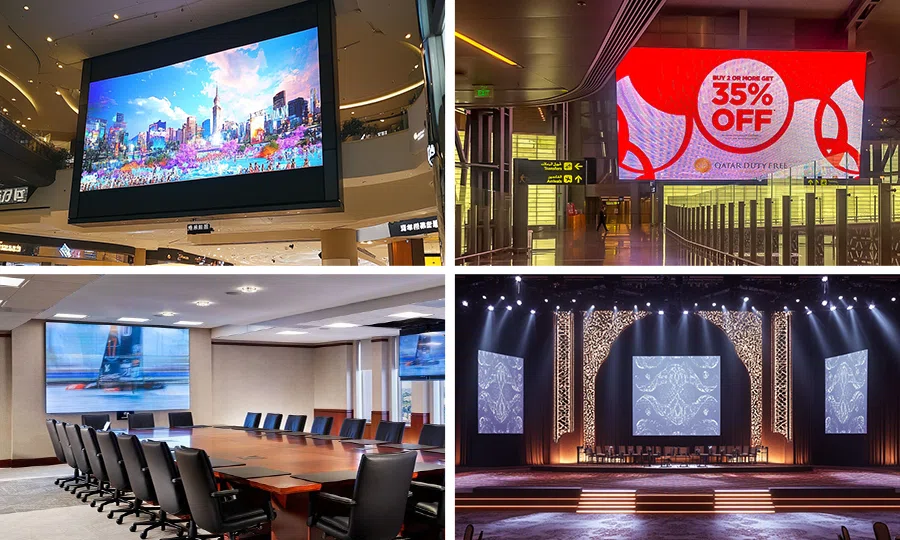
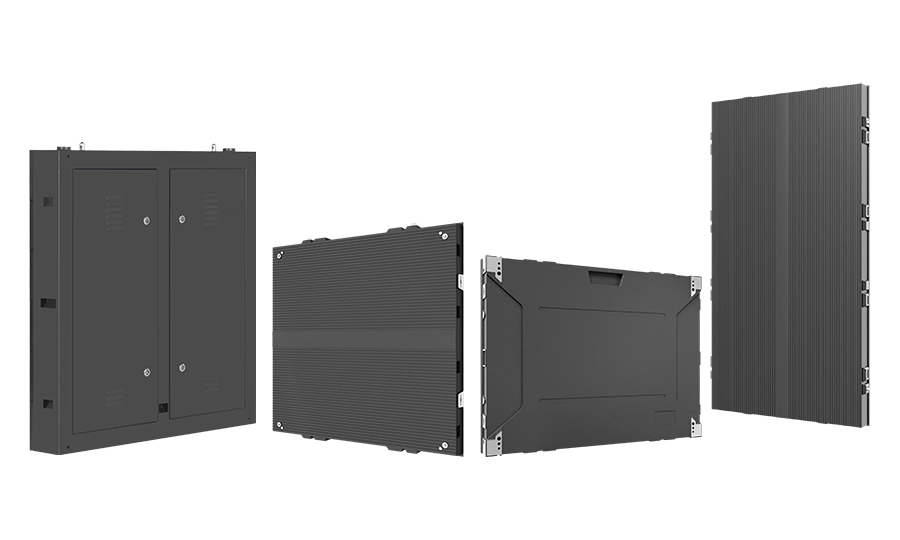
A fixed LED screen is a permanent display made of LED panels, installed in one spot for long-term use. Unlike rental LED screens, which move around, these stay put. They include LED modules, control systems, power supplies, and sturdy cabinets. I see them as the backbone of reliable, high-impact visuals. Their permanence cuts reinstallation costs and blends seamlessly with existing setups. Think of a New York hotel’s weatherproof entrance display running 24/7—practical and effective.
The Technical Breakdown
These screens use tightly packed diodes to create bright, clear images. The components work together: modules emit light, controls manage content, and cabinets protect it all. Compared to rental LED screens, they’re built tougher. I’ve noticed their advanced systems allow remote updates, which is a big plus. It’s all about longevity and performance. That’s why they shine in demanding settings.
Why “Fixed” Matters
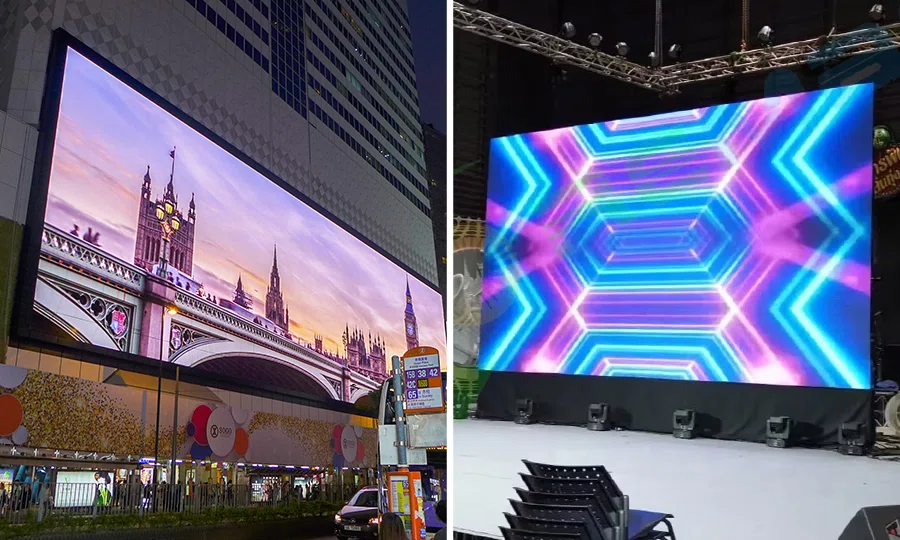
The “fixed” part means no hassle with repeated setups. It saves money over time—no constant labor costs. I’ve seen them integrate flawlessly into spaces like lobbies or billboards. For example, a fixed LED screen at a transportation hub runs non-stop, delivering updates without interruption. Permanence equals reliability. It’s a smart choice for businesses needing consistent displays.
Top 5 Applications Transforming Industries
Fixed LED screens are everywhere, reshaping how industries communicate. Here are five standout uses.
Retail & Hospitality
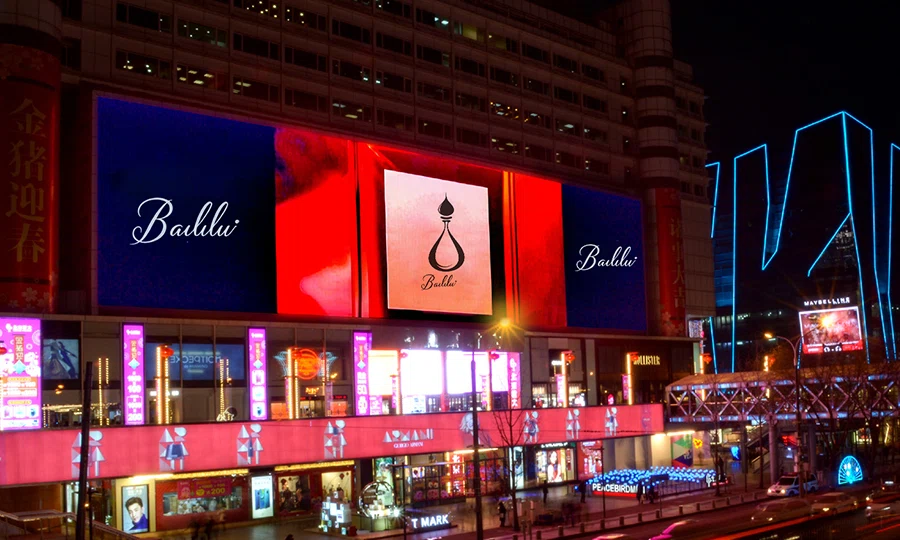
In stores and hotels, LED retail displays shine with dynamic menus and promotions. TOP Dance installed a curved P3 LED video wall for advertising in a Las Vegas casino. Foot traffic jumped 20%. I love how these screens grab attention instantly. They’re perfect for branding too. It’s a practical way to boost engagement.
Sports Arenas & Stadiums
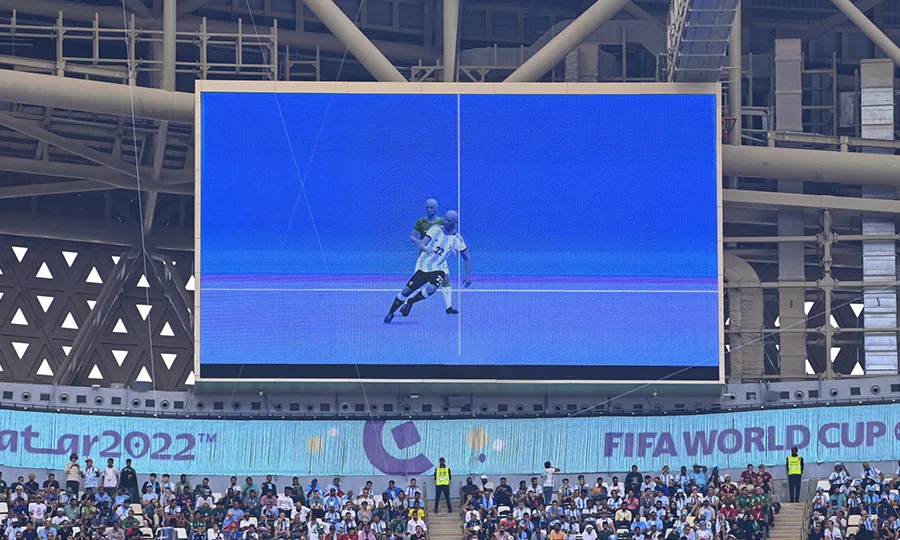
Sports venues use large LED display boards for scoreboards and replays. NCAA guidelines (2023) stress high-definition for fans, per NCAA.gov. Every seat gets a clear view. I’ve watched games where these screens made all the difference. They keep crowds hyped. It’s a must-have for modern stadiums.
Transportation Hubs
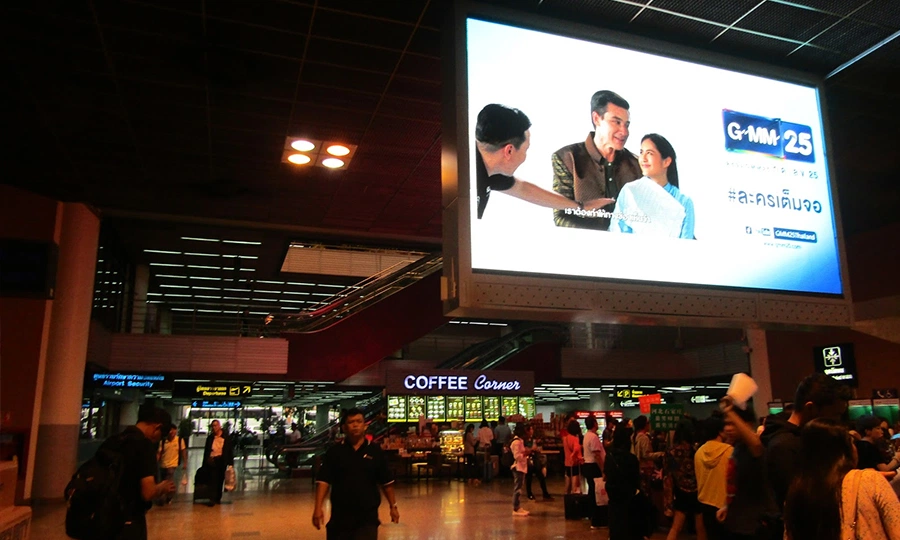
Airports and stations rely on fixed LED screens for real-time info and ads. Chicago O’Hare’s 85 sq.m. display is a prime example. It keeps travelers updated effortlessly. I find these screens invaluable in busy spots. They’re durable and visible. No wonder they’re standard in hubs.
Corporate Environments
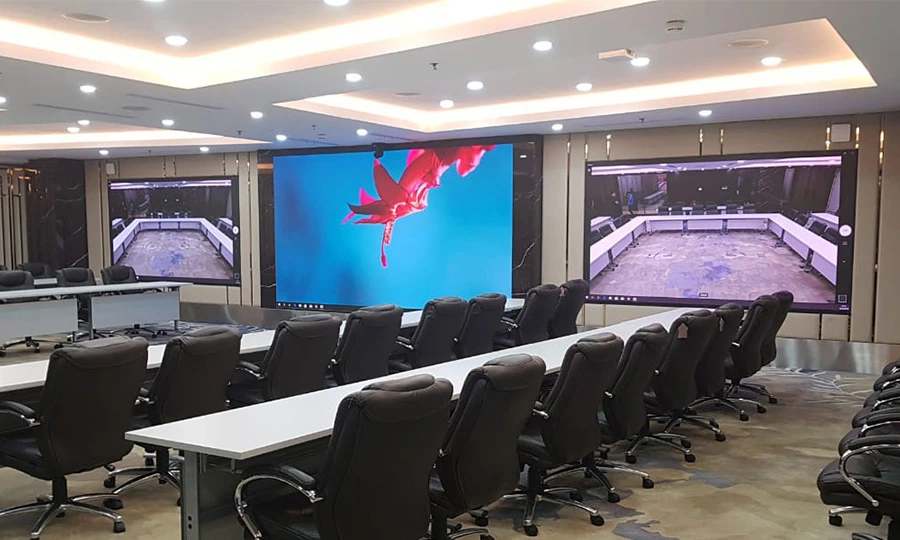
In offices, fixed LED screens enhance conference rooms and lobbies. They deliver sharp visuals for presentations. I’ve seen them impress clients with sleek branding. They’re reliable for daily use. Setup is straightforward. It’s a professional upgrade worth considering.
Entertainment Venues
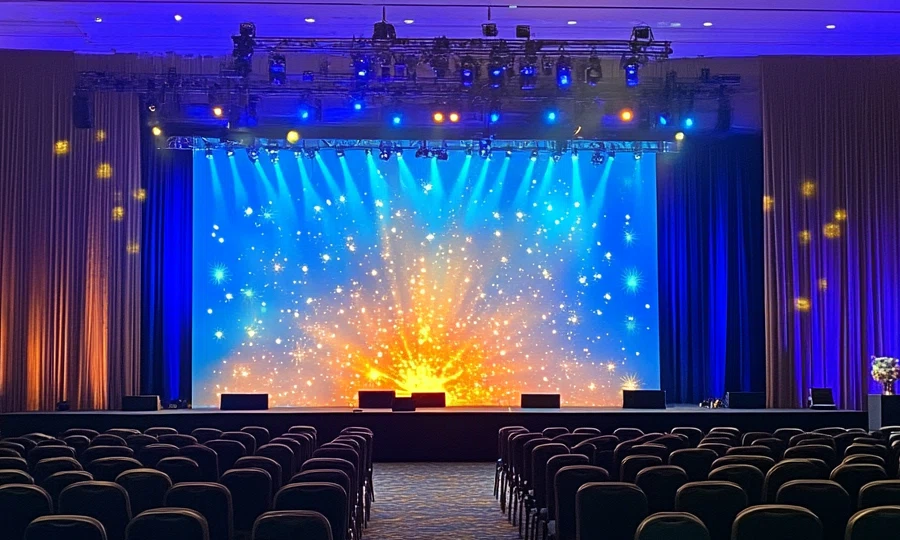
Nightclubs and theaters use large LED display panels for immersive visuals. The vivid colors pull audiences in. I’ve experienced concerts where these screens transformed the vibe. They handle dynamic content well. Durability matters here too. It’s entertainment done right.
Key Benefits You Can’t Ignore
Why choose a fixed LED screen? The benefits are hard to overlook.
Unmatched Brightness & Visibility
These screens hit over 5,000 nits, outshining sunlight. TOP Dance tests show 40% better retention than posters. I’ve seen them pop even on bright days. They’re ideal for outdoor LED video wall advertising. Visibility drives results. That’s a fact.
Energy Efficiency = Lower Costs
Fixed LED screens use 35% less power than neon, says Energy Star (2024). They cut bills significantly. I appreciate the savings over time. It’s eco-friendly too. Efficiency matters in big setups. You get more for less.
Longevity Pays Off
With a 100,000-hour lifespan, they last over a decade. “TOP Dance’s 3-year warranty reduces ownership costs,” says Iris Liu, CSEP-certified sales manager. I’ve seen them run years without issues. It’s a solid investment. Durability pays dividends. That’s why I recommend them.
How to Choose the Right Fixed LED Screen
Picking the perfect fixed LED screen takes some thought. Here’s what I advise.
Pixel Pitch & Viewing Distance
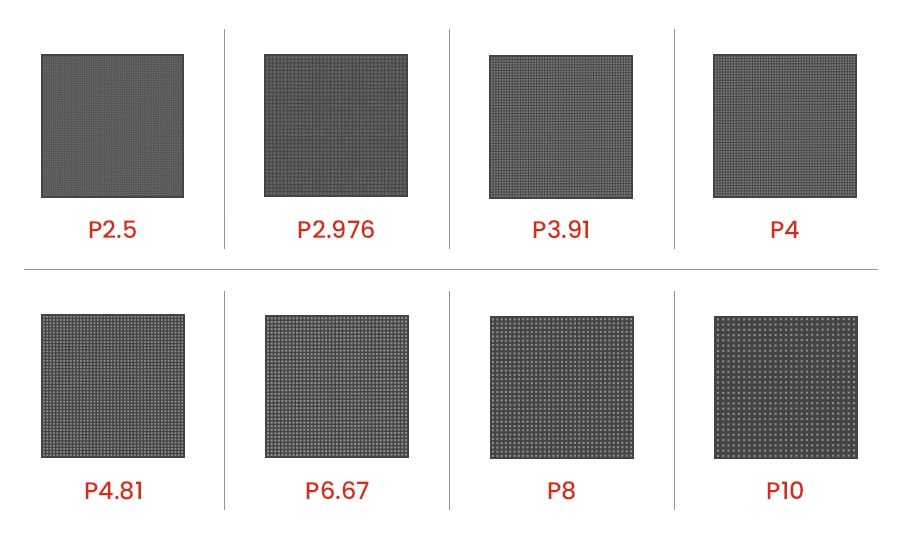
Pixel pitches determine clarity. For indoor spots like restaurants, P1.25 to P4 works great—sharp yet affordable. Outdoor? Go P6 to P10. I’ve learned smaller pitches suit close viewing. Match it to your space. It’s a key decision.
Weatherproofing & Durability
Outdoor screens need IP65 or IP67 ratings for weather resistance. Safety’s critical—OSHA (2024) says use certified pros for installs. I’ve seen rain ruin poorly protected screens. Durability saves headaches. Choose wisely. It’s worth it.

Budget vs ROI Analysis
Costs range from $10,000 to $50,000 upfront. A $15,000 screen can pay back in 18 months via ads, though. I’ve calculated ROIs for clients—it’s promising. Disclaimer: Returns vary by use case. TOP Dance offers 3D previews and bulk deals. Plan smart.
About TOP Dance
TOP Dance, based in China since 2013, leads in fixed LED screen manufacturing. Our 3,200 sqm factory runs 20 lines, producing 1,000 panels daily. Strict QC and 72-hour testing ensure quality. An LA warehouse speeds up U.S. delivery. I’m proud of our R&D team and fast after-sales support. We provide custom solutions with 3-year warranties, real-time tracking, and video updates for clients like stadiums and hotels.
Installation: Avoiding Costly Mistakes
Installation can make or break your fixed LED screen. Get it right.
Structural Requirements
You need load-bearing walls or steel frames. A Miami nightclub used a 20mm frame for wind resistance. I’ve seen flimsy setups fail fast. Strength matters. Check your site first. It’s a basic step.
Maintenance Tips to Extend Lifespan
Keep your fixed LED screen running strong with these tips.
Dust & Heat Management
Clean bi-weekly with a soft cloth. Compressed air clears dust. “TOP Dance’s app flags overheating risks,” says R&D Lead John Wu. I’ve seen heat cut lifespans short. Stay proactive. It’s simple upkeep.
Software Updates & Repairs
Update software regularly. TOP Dance’s remote fixes save time. I’ve used these tools—they work fast. Repairs stay minimal with care. Keep it current. Performance stays top-notch.
Fixed vs Rental LED: Which Wins for Your Business?
Let’s compare fixed LED screens and rental LED screens.
Cost Comparison Table
| Factor | Fixed LED | Rental LED |
|---|---|---|
| Upfront Cost | High ($10k–$50k) | Low ($1k/day) |
| Long-Term ROI | 5–7 years | None (no ownership) |
| Customization | Fully tailored | Limited options |
When Rental Makes Sense
Rental LED screens fit pop-up events or short campaigns. I’ve used them for trade shows—quick and easy. Fixed wins for permanence, though. It depends on your goal. Mobility has its place. Choose based on need.
Future Trends in Fixed LED Technology
The future’s bright for fixed LED screens. AI will tweak ads based on traffic, per Skift’s 2025 report. TOP Dance’s brand new LED display cabinets launch in 2025. I’m excited for sustainability gains. Tech’s evolving fast. It’ll keep impressing.
Final Verdict: Are Fixed LED Screens Worth It?
Yes, fixed LED screens deliver durability, visibility, and value. They solve signage woes with style. I’ve seen them transform businesses firsthand. Pick the right one, install it well, and maintain it.