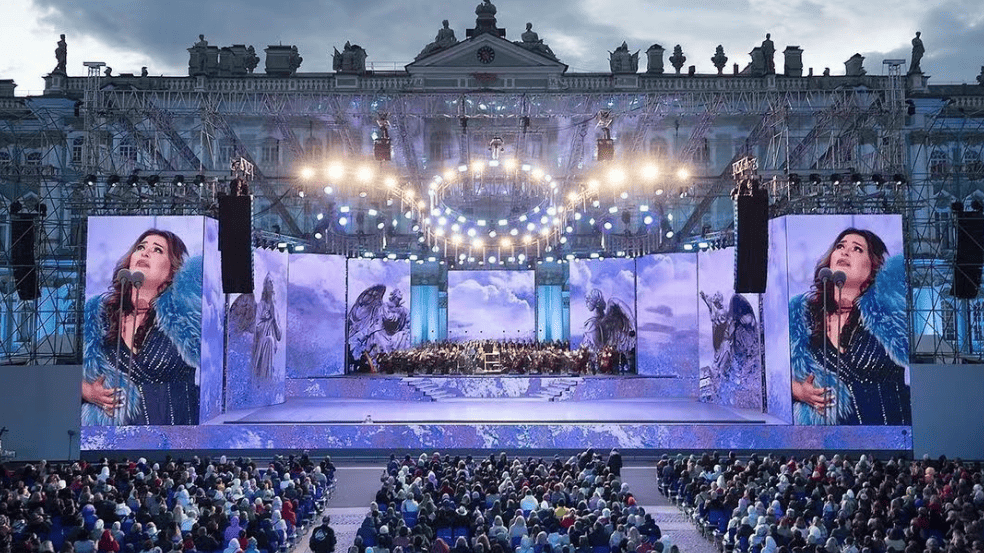
Beyond the Lights: Master Visuals with Your DJ LED Display

If you’re serious about your DJ career, then you’ve probably seen incredible visual setups behind top artists and wondered how it’s done. You may also be asking why it’s so important and how you can use it to elevate your own sets.
So what exactly is a DJ LED Display? Why is it important, and why can it help you create unforgettable experiences?
In this guide, we’ll cover everything you need to know about DJ LED Displays—including what they truly are, what they do, and how to choose the right one for your DJ stage.
What is a DJ LED Display?
At first glance, a DJ LED display might look like just a giant television screen placed behind the booth. However, it is much more sophisticated than that. Technically, a DJ LED display is a modular visual system made up of thousands—or even millions—of tiny light-emitting diodes (LEDs). Each LED acts as a pixel, and when combined, they form a high-resolution surface capable of displaying vivid images, text, animations, and video.
The modular nature of LED displays means they can be built in various sizes and shapes, from a small rectangular panel to massive curved walls. This flexibility makes them perfect for different performance events.

Core Components of a DJ LED Display
To better understand how it works, let’s break down the essential parts:
- LED Modules: Fundamental building blocks comprised of individual LED pixels, drive chips, printed circuit boards, and enclosures. Many modules are assembled together to build larger screens tailored to the stage space.
- Cabinet: Houses several LED modules, power supply, receiving cards, and a structural frame. Quality LED screen cabinet design is crucial for quick setup, screen flatness, and long-term maintenance.
- Receiving Card: Located inside each cabinet, these cards receive digital instructions (video data) from a central sending card, then distribute control signals to the right part of the screen.
- Sending Card: The sending card processes video from sources like a computer or media server and transmits it to the receiving cards through networking cables, ensuring smooth real-time visuals.
- Video Processor: For advanced events, an external video processor optimizes multiple input feeds, enables picture-in-picture effects, color calibration, seamless switching, and cuts or overlays—vital for top-tier shows.
How does it differ from traditional projection? Unlike projectors, which depend on reflecting light onto flat surfaces, DJ LED displays are self-luminous, maintaining clarity even under strong ambient light. Their modular anatomy allows the creation of curved, cylindrical, or custom-shaped screens—something not feasible with standard projectors. Furthermore, they are more reliable: a single module failure affects only a small section, not the entire screen, and is easy to replace.
In summary, a DJ LED display is a high-performing, customizable, and dependable solution that brings music and branding to life visually, becoming a central tool for modern show design and audience engagement.
Why You Need a DJ LED Display?
Investing in a professional DJ LED display is about much more than simply adding visual novelty. Top DJs and venues use LED displays as strategic assets—key to elevating the sensory experience, brand identity, audience engagement, and commercial value.

1. Enhanced Immersion and Emotional Amplification
Music is inherently a sensory experience, but humans are highly visual creatures. When auditory and visual stimuli are synchronized, the resulting experience becomes far more impactful.
Imagine a pulsating bass drop accompanied by a dazzling burst of colors or a haunting vocal paired with flowing images of the cosmos. This combination transforms a simple music set into an unforgettable journey, captivating the audience and deepening their emotional connection to the music.
By utilizing a DJ LED display, artists can effectively translate their music into a visual narrative, amplifying the emotional resonance of their performances.
2. Brand Identity and Recognition
In the crowded landscape of DJs and electronic artists, establishing a strong brand identity is crucial.
A DJ’s visuals—logos, color schemes, and signature motifs—can be projected onto LED screens, reinforcing the artist’s persona and making them instantly recognizable.
Iconic visuals, akin to those used by Deadmau5 or Marshmello, help cement a DJ’s brand in the minds of fans.
Consistently showcasing these elements during performances fosters a sense of familiarity and loyalty among audiences, ultimately enhancing brand recall and audience engagement.
3. Audience Engagement and Interaction
DJ LED displays serve as powerful tools for audience interaction. Beyond simply displaying visuals, they can:
- Show Lyrics: Encourage the crowd to sing along during key moments.
- Live Audience Feeds: Project real-time footage of attendees, creating a sense of unity and excitement.
- Text Prompts: Display messages such as “Put Your Hands Up!” or “Jump!” to encourage participation.
- Visual Call & Response: Use specific visuals to prompt the audience to react, enhancing the communal experience.
4. Increased Commercial Value
From a business perspective, having a stunning visual display can significantly enhance a DJ’s marketability. Here are a few ways it can add commercial value:
- Booking Opportunities: Organizers are more likely to book DJs who can offer a complete audiovisual experience, knowing that it will attract larger crowds and create memorable events.
- Sponsorship: LED displays can showcase sponsor logos and advertisements, opening up additional revenue streams.
- Premium Ticket Sales: A performance branded as a “visual spectacle” allows DJs to justify higher ticket prices, as fans are willing to pay for a complete sensory experience.
Key Factors to Consider Before to Buy DJ LED Displays
When selecting a DJ LED display, certain technical and design features are critical to maximizing performance and audience impact. Here are seven key features you should evaluate:
Pixel Pitch (P)
The distance between the centers of adjacent LED pixels, measured in millimeters (mm). Closer pixel pitch (smaller number) means higher resolution, ideal for audiences close to the stage. Typical recommendations:
- Large festivals/stadiums: P4–P6 (5m+ viewing distance)
- Clubs/mid-sized venues: P2.5–P3.9 (3–8m)
- High-end or close-viewing: P1.9–P2.4 (2–5m)
Brightness:
Measured in nits (cd/m²), brightness determines visibility in different environments.
- Indoor: 800-1500 nits
- Semi-outdoor: >2500 nits
- Outdoor: >5000 nits (with IP65 water/dust protection)
Refresh Rate:
The rate at which the screen image updates, measured in Hz. Higher refresh rates (≥1920Hz) prevent flicker and scan lines, especially important for video recordings and livestreams
- Display meeting room assignments, directions, and visitor check-in status.
- Integrate with queue management systems for smooth, transparent visitor flow.
- Share internal announcements, birthdays, or achievements during off-peak hours to foster a sense of community.
Encapsulation Method (SMD vs GOB):
- SMD (Surface Mounted Device): Mainstream tech, RGB LEDs in one package, good value, mature.
- GOB (Glue on Board): Advanced tech, better resistance to impact, dust, and moisture, superior heat dissipation, higher cost—future trend.
Rental vs. Fixed Installation Models:
- Rental displays are lightweight, durable, modular, and support quick assembly/disassembly—ideal for touring or flexible setups.
- Fixed displays are heavier, optimized for permanent installation, simpler to assemble, and often cost less for stationary use.
Cabinet Design:
The physical frame determines how easily the screen can be transported, installed, and maintained. Features like quick-release locks, modularity, and robust construction are essential for frequent use.
For permanent installation, fixed installation type cabinets are recommended as it is most cost-effective.
Durability and Weather Resistance
For outdoor events, durability is a key consideration. Many LED displays come with IP ratings that indicate their resistance to dust and moisture. A display with an IP65 rating, for example, can withstand rain and dust, ensuring reliable operation in various weather conditions.
Key Features of Reception LED Displays
DI LED displays stand out due to these eight critical features:
- High Brightness: Remain visible even in well-lit areas.
- Wide Viewing Angle: Content is clearly visible even from off-center angles.
- Seamless Splicing for Custom Sizing: Modular design allows you to assemble screens in any size or aspect ratio
- Durability: Rugged build for 24/7 operation.
- Customizable Sizes: Adjustable for walls, pillars, or free-standing structures.
- Energy Efficiency: Consumes less power relative to older signage technologies.
- Interactive Capabilities: Some models integrate touch functionality.
- Flexible Content Scheduling and Control: Advanced software makes it easy to schedule different content for different times of day, automate updates, and even trigger emergency alerts with a single click..
What Can a DJ LED Display Do for You?
A DJ LED display is not just hardware—it’s a versatile tool that unlocks creative, commercial, and interactive possibilities for live performance.

Immersive Visual Storytelling:
Use synced graphics and videos to translate audio into a visual narrative, enhancing the emotions of each track and controlling the mood of your show.
Dynamic Branding:
Continuously showcase your logos, artist name, or sponsor messages, reinforcing your identity and opening doors for partnerships.
Real-time Crowd Integration:
Connect camera feeds to project live video of the audience, amplifying excitement and connecting the crowd to the action on stage.
Flexible Content Display:
Play videos, lyric animations, VJ clips, ambient visuals, or even informational bulletins—giving you endless customizability for each event.
Synchronized Effects:
Coordinate visual cues with lighting, lasers, or pyrotechnics via timecode or manual triggering, creating tightly integrated multimedia moments.
Types of DJ LED Display
Recognizing the different types of DJ LED displays helps in choosing the perfect fit for your typical gigs, venues, and artistic ambitions.
Based on Panel Structure:
- Modular Flat Panels:
The most common type, composed of square or rectangular modules that can be assembled into various widths and heights, allowing you to build from compact strips to towering walls. - Curved or Flexible Panels:
Panels or strips that bend to form concave, convex, cylindrical, or wave-shaped displays. These provide visually unique environments by enveloping the DJ booth or stage. - Transparent and See-Through LED Screens:
These advanced panels allow some light or background view to pass, often used for futuristic, layered effects. Perfect for modern clubs and events aiming for a high-tech aesthetic. - 3D and Custom Shape Screens:
Panels are now manufactured in circles, triangles, or custom patterns, including cubes and tunnels, which enable 3D stage design and immersive environments.

Based on Use Case:
- Permanent Installation Displays:
Heavy-duty, fixed in one location, ideal for clubs, bars, or arenas that require reliability and low maintenance. - Rental/Portable Displays:
Rugged, lightweight cabinets with locking mechanisms, designed for fast setup and breakdown—a favorite for touring acts and festival setups. - Interactive LED Screens:
Integrated with sensors to react to audience movement or music, allowing live, game-like audience participation.
By Viewing Environment:
- Indoor Panels:
Moderate brightness, optimized for darker venues, finer pixel pitches for up-close viewing. - Outdoor Panels:
Brighter and weather-resistant, with higher protection against moisture, dust, and direct sunlight. Slightly wider pixel pitch for distant audiences.
How to Choose DJ LED Display
The right DJ LED display is a blend of performance needs, technical constraints, and budget realities. Here are core criteria to guide your selection:
1. Installation Environment:
- Size and Layout: Measure the available space behind your booth—width, height, and allowable weight (especially for truss or wall mounting).
- Audience Distance: The closer the crowd, the higher the required resolution (finer pixel pitch).
- Lighting: Indoor venues need less brightness, while outdoor, sunlit, or corporate spaces need more.
2. Key Technical Specs:
- Pixel Pitch: Chosen based on viewing distance—closer audiences need smaller pixel pitch (higher density), distant crowds can accept a wider pitch.
- Brightness: Selected for venue type (indoor, outdoor, semi-outdoor). For indoor performances, a brightness level of 800 to 1500 nits is generally adequate, while outdoor displays should reach at least 5000 nits to combat sunlight.
- Refresh Rate: Ensure ≥1920Hz for video shooting, which avoids flicker.
3. Display Type:
Determine if you need modular/rental (lightweight, portable, fast to build/tear down) or fixed/permanent (heavier, for stationary setups).
4. Budget:
While investing in a high-quality DJ LED display is essential, it’s also crucial to establish a budget. Prices can vary significantly based on the features and specifications of the display.
- Determine your upfront and ongoing budget, including the display, installation, content management software, and maintenance.
- Higher-end fine-pitch displays (P1.2-P1.5) tend to cost more than standard indoor pitches (P1.8-P2.5), but may be justified based on your space and viewing requirements.
Determine your budget early on and prioritize features that align with your performance needs. Remember that the cheapest option may not always be the best in terms of quality and longevity. For more information about LED screen price, check here.
Conclusion
A DJ LED display is a transformative force in modern event production, blending music and visuals for maximum impact. From technical basics to creative execution, careful planning and informed decisions ensure your investment becomes the centerpiece of your performance legacy.