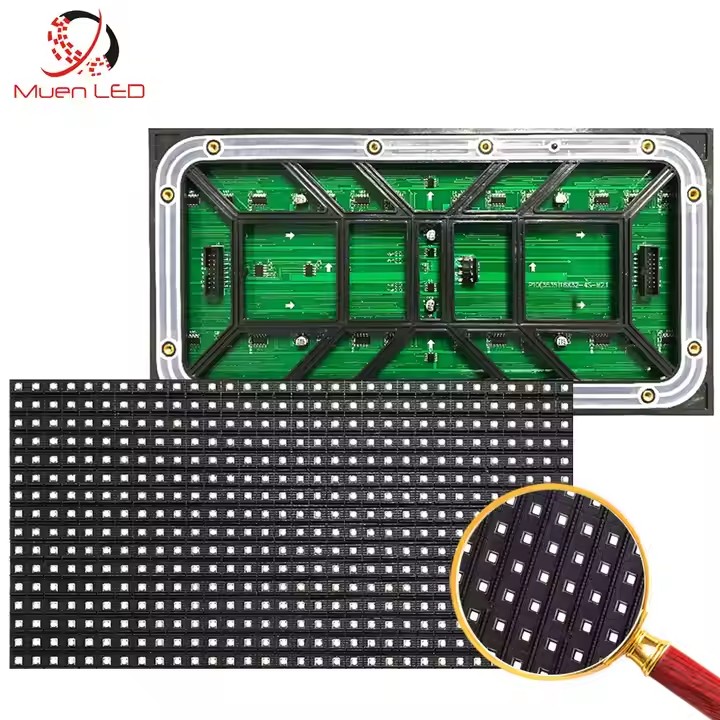
How Pixel Pitch Affects Your Choice: An LED Display Selection Guide
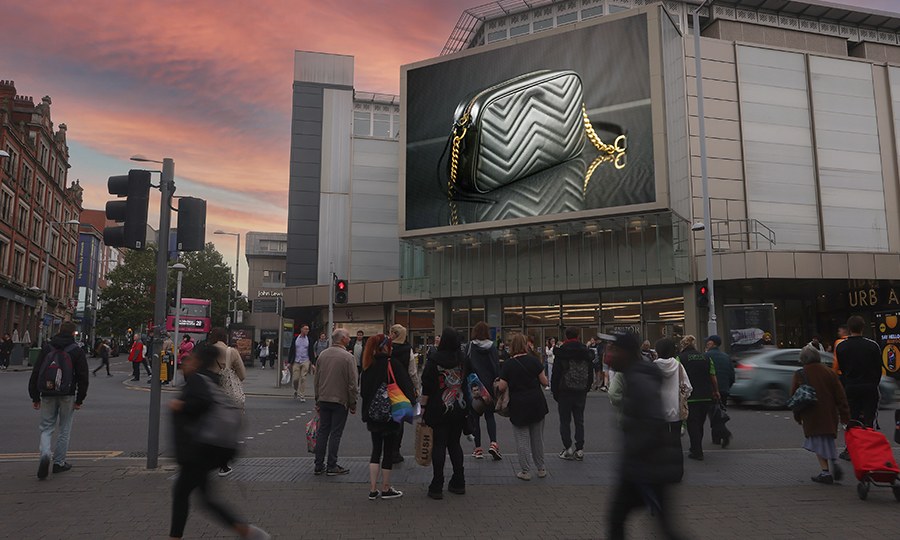
Pixel pitch is the distance between the centers of adjacent pixels on a display, measured in millimeters, which directly determines image quality and optimal viewing distance. This guide reveals proven methods to match pixel pitch with your project needs, helping you make smarter pixel display choices while maximizing your investment for outdoor billboards, corporate installations, or retail environments.
What Is Pixel Pitch?
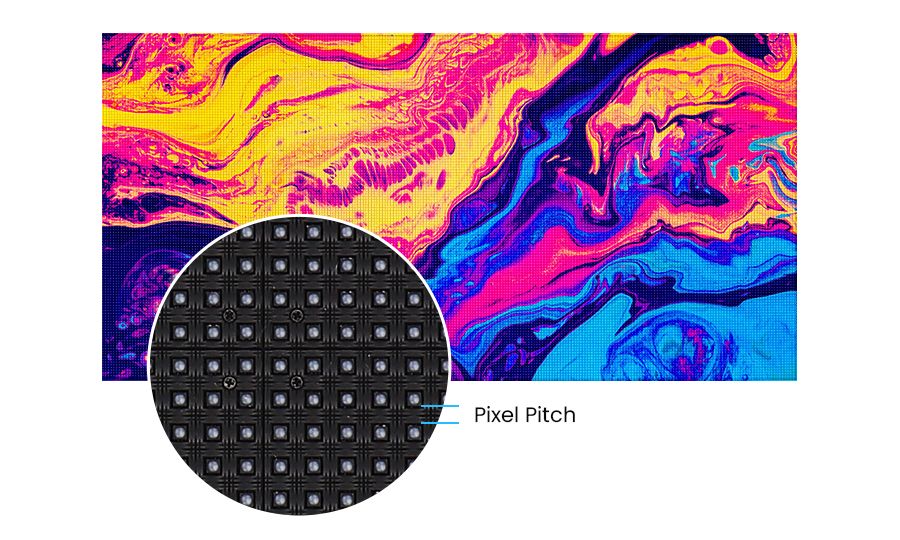
Pixel pitch refers to the precise distance between the centers of two adjacent pixels on an LED display, measured in millimeters. In the context of Pixel Pitch LED displays, ‘P’ followed by a number (such as P2.5 or P10) refers to the pixel pitch measurement in millimeters.
Think of it like this: on an LED video pixel pitch LED wall with a 2.5mm pixel pitch, each pixel center sits exactly 2.5mm away from its neighboring pixel centers. This seemingly small measurement dramatically impacts everything from viewing distance to overall display quality and cost.
For example, TOP DANCE’s LED displays range from P1.25(1.25mm) to P10(10.0mm) pixel pitch options, each serving different viewing environments. The smaller the pixel pitch, the closer together the pixels, resulting in higher resolution and sharper images when viewed up close.
Why Pixel Pitch Dictates Image Quality
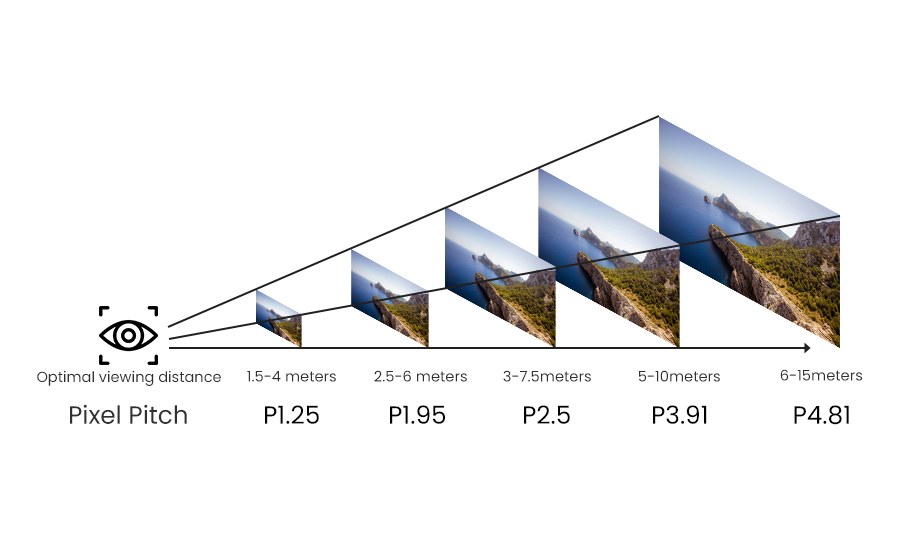
Pixel dot pitch directly determines how far viewers should stand from a display to experience optimal image quality. The industry standard relies on a viewing distance formula of approximately 1.5 times the pixel pitch in meters. This relationship ensures viewers perceive a seamless image rather than individual pixels.
For instance, a 4mm pixel pitch LED screen looks best when viewed from at least 6 meters away (4 × 1.5 = 6). Move too close, and viewers will notice individual pixels, creating a distracting, pixelated experience. Stand at the optimal distance, and the human eye blends these pixels into a continuous image.
This relationship explains why pixel pitch requirements differ dramatically between stadiums and boardrooms. Stadiums can effectively use larger pitch displays (8mm+) because viewers sit farther away, while boardrooms need smaller pitch displays (≤2.5mm) for close-up clarity.
Debunking 2025’s Top 3 Myths About Pixel Pitch
Myth 1: “Smaller pitch always equals better quality.” While smaller pixel pitch displays offer higher resolution, they’re not always the best choice. For outdoor displays viewed from 50+ feet, a LED p10 display can provide excellent visibility while costing significantly less than a 4mm display.
Myth 2: “Higher-priced displays always perform better.” Price often correlates with pixel pitch density, but performance depends on application. A perfectly matched 3.5mm display will outperform a misapplied P1.2 LED display in appropriate environments.
Myth 3: “You need the narrow pixel pitch for vibrant colors.” Color reproduction depends more on LED quality and processing than pixel pitch alone. Many 3mm+ displays offer stunning color reproduction at a fraction of fine-pitch costs.
By avoiding these misconceptions, you can save approximately 20% on energy costs with the right choice. Larger pixel pitch displays typically consume less power than their fine-pitch counterparts covering the same area.
What Is the Difference Between Different Pixel Pitches?
Fine vs. Coarse: Application-Based Comparisons
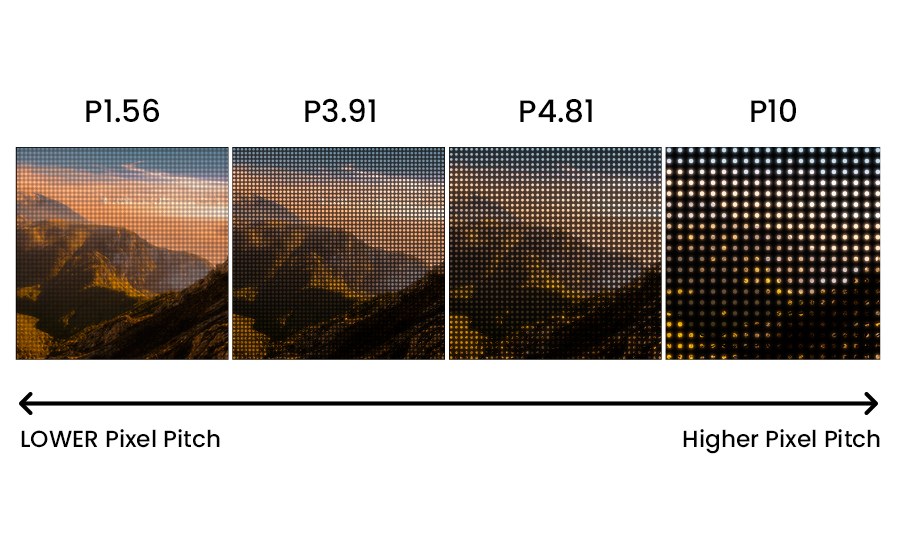
Different environments demand specific pixel pitch ranges for optimal performance:
◆ Ultra-Fine Pixel Pitch (≤1.5mm):
These premium displays deliver exceptional detail for close-up viewing in broadcast studios, control rooms, and premium retail environments. At this narrow pixel pitch LED range, displays achieve near-print quality with razor-sharp text and image reproduction.
◆ Standard Pixel Pitch (2.0–3.0mm):
This represents the sweet spot for most indoor applications, balancing exceptional detail with reasonable cost. Corporate lobbies, conference rooms, and retail environments benefit from this range, which supports comfortable viewing from 10-20 feet. These displays deliver sharp 4K-equivalent content while maintaining cost efficiency.
◆ Large Format Pixel Pitch (≥4.0mm):
When designing for far viewing distance, these pixel pitches shine. Outdoor billboards, stadium screens, and transportation hubs utilize this range for content viewed from 100+ feet away. The increased spacing between pixels allows for better weather resistance and significantly lower costs while maintaining excellent readability from appropriate distances.
Cost vs. Performance Breakdown
Financial considerations often drive pixel pitch decisions. A 1.2mm pitch installation typically costs 35% more than a comparable 2.5mm installation according to IBISWorld 2025 data. This premium reflects both the increased LED density and the more precise manufacturing tolerances required.
Energy consumption creates another significant cost differential. Fine pitch displays (≤1.5mm) consume approximately 18% more power than standard options (2.0-3.0mm) covering the same area, according to DoE 2025 benchmarks. This translates to substantially higher operational expenses over the display’s lifetime.
Maintenance costs also scale inversely with pixel pitch. The finer the pitch, the more LED clusters require potential servicing, increasing your bill from both parts and labor for repairs.
Visual Impact Comparison
To understand the real-world difference between pitch options, consider how 1.8mm versus 3.0mm displays appear from 15 feet away. At this distance, most viewers cannot distinguish individual pixels on either display. However, the 1.8mm display delivers approximately 40% more pixels, creating subtly enhanced detail in complex images and text.
The perceptible difference diminishes as viewing distance increases. From 25 feet, even trained professionals struggle to identify which display offers the higher resolution in blind tests.
Expert Quote:
“Choosing the right pixel pitch for your LED Screen can make or break viewer engagement in immersive spaces. The right pitch creates an invisible technology experience, while the wrong choice constantly reminds viewers they’re looking at a screen.”
— Dr. Lena Kim, CSEP-Certified AV Engineer (ISES).
How to Choose Pixel Pitch: The Best Practices
Indoor vs. Outdoor: Pitch Requirements
Indoor environments generally require finer pixel pitches to accommodate closer viewing distances.
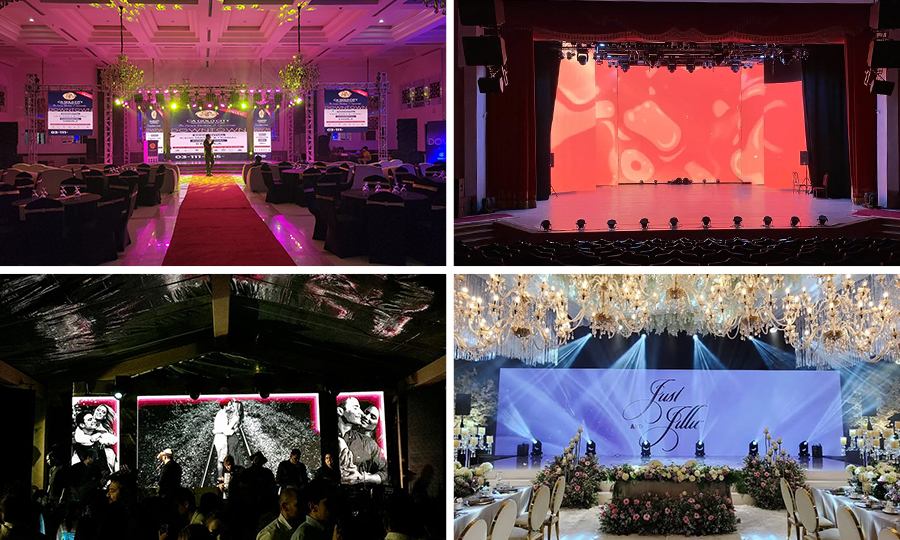
| Pixel Pitch Chart For Indoor Applications | |||
|---|---|---|---|
| Indoor Environment | Recommended Pixel Pitch (mm) | Viewing Angle | Key Considerations |
| Corporate Boardrooms, Retail Stores, Museums, Hotel Lobbies, Control Rooms | ≤1.9mm | Up to 55° | Ensures clear images from any position |
| Conference Rooms | 1.2-1.5mm | Wide Viewing | Detailed presentations |
| Shopping Malls, Exhibition Halls | 1.6-2.0mm | Medium Viewing | Effective for slightly greater distances |
| Weddings, Parties, Indoor Entertainment Venues | 1.8-4mm | Balanced Viewing | Balances detail with cost-effectiveness |
Outdoor displays face entirely different challenges across various applications.
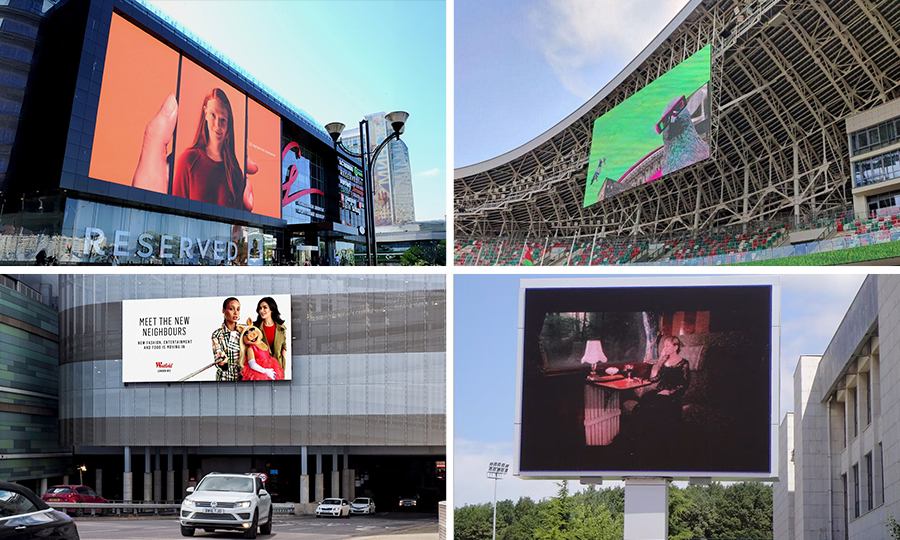
| Pixel pitch chart for outdoor applications | |||
|---|---|---|---|
| Outdoor Environment | Recommended Pixel Pitch (mm) |
Viewing Considerations | Key Challenges |
| Billboards, Stadium Screens, Outdoor Advertising, Building Façades, Transportation Hubs | ≥4mm | Balances sunlight readability with cost efficiency | Higher brightness needed to combat daylight conditions |
| Sports Arenas (Scoreboards) | 6-10mm | Optimized for mid-range sports viewing | Ultra-fine pitches are cost-prohibitive for outdoor use |
| Highway Billboards | ≥10mm | Ensures visibility at extreme distances | High initial investment and ongoing power consumption |
TOP DANCE’s display lineup accommodates this full spectrum, with indoor LED displays ranging from 1.9mm to 2.5mm for premium interior applications, and outdoor LED displays utilizing specially calibrated 4mm to 10mm pixel pitches, optimized for maximum visibility under challenging sunlight conditions while maintaining energy efficiency.
Pixel Pitch Budgeting Pro Tip
“Prioritize 3mm pitch for hybrid events where displays serve both close and distant viewers. This sweet spot balances cost and quality, providing the flexibility needed for multipurpose environments.”
For budget-conscious projects, focusing on viewing distance over raw specifications often yields substantial savings. A carefully selected 3mm pitch display can deliver 90% of the perceived quality of a 1.5mm display at 60% of the cost in appropriate viewing scenarios. Contact our team for a customized budget assessment.
Future-Proofing with Modular Designs
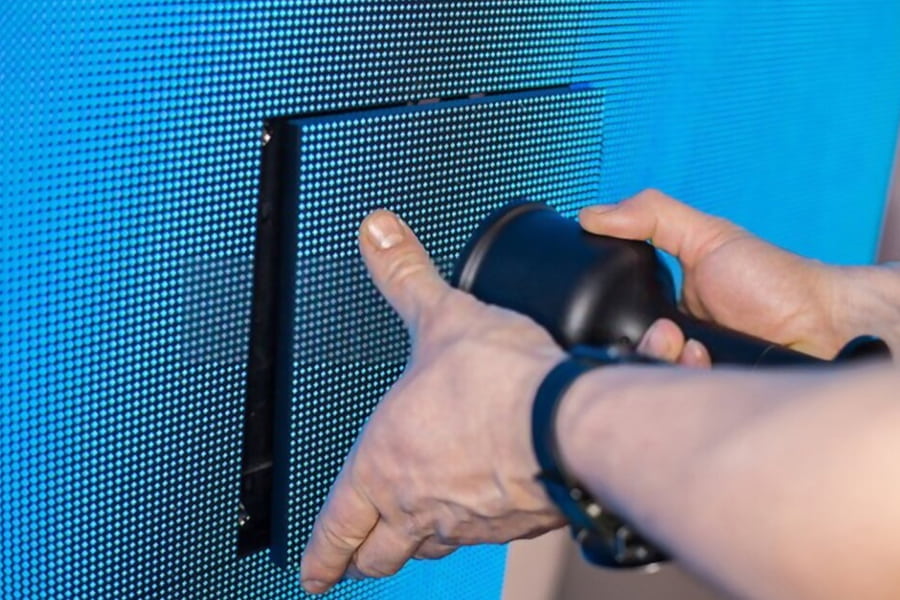
Understanding pixel pitch transforms display selection from guesswork to science. By aligning this critical specification with your specific viewing environment, content type, and budget, you’ll achieve superior results while avoiding unnecessary expenses.
Ready to find your perfect pixel pitch? MuenLED’s team of certified display specialists can guide you through the selection process with our proven methodology. Contact Us now for your LED Screen Pixel Pitch Consult.