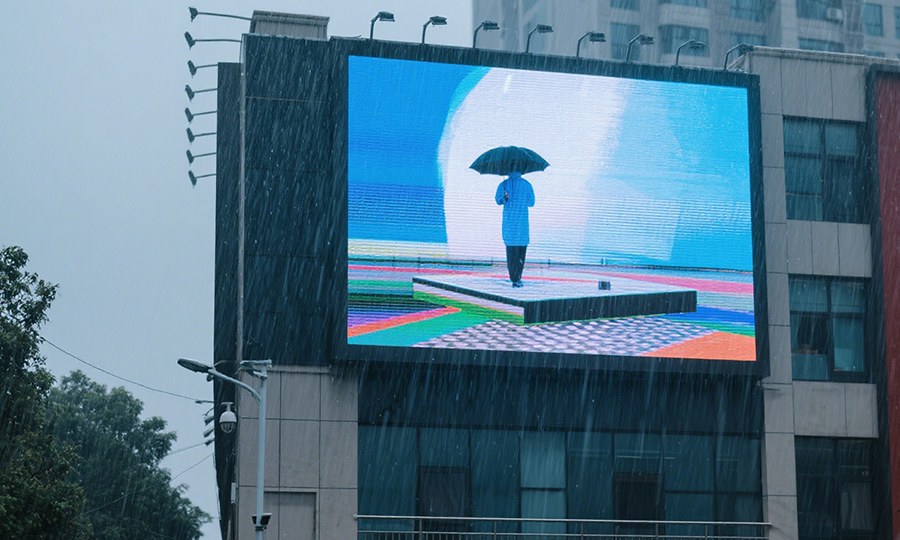
The world’s largest LED screen debuts with technological innovation leading the industry
I’ve spent years tracking advancements in display technology, and nothing has impressed me more than the recent unveiling of the largest LED display in Las Vegas. For event planners and venue managers melee of massive displays often create significant barriers to implementation. Yet understanding these groundbreaking technologies is essential for anyone looking to make an impact in today’s visually competitive landscape.
Unveiling the Largest LED Display: A Game-Changer in Visual Tech
What Defines the “Largest LED Display”?
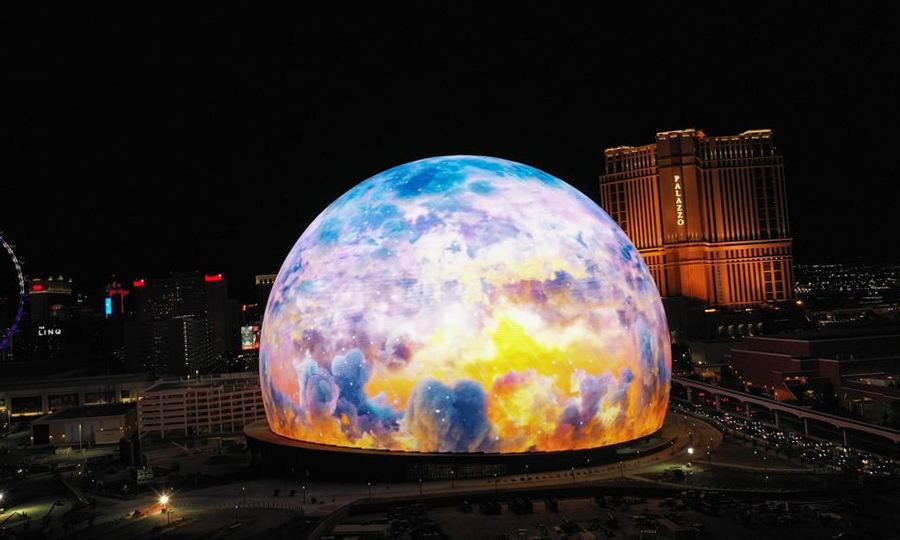
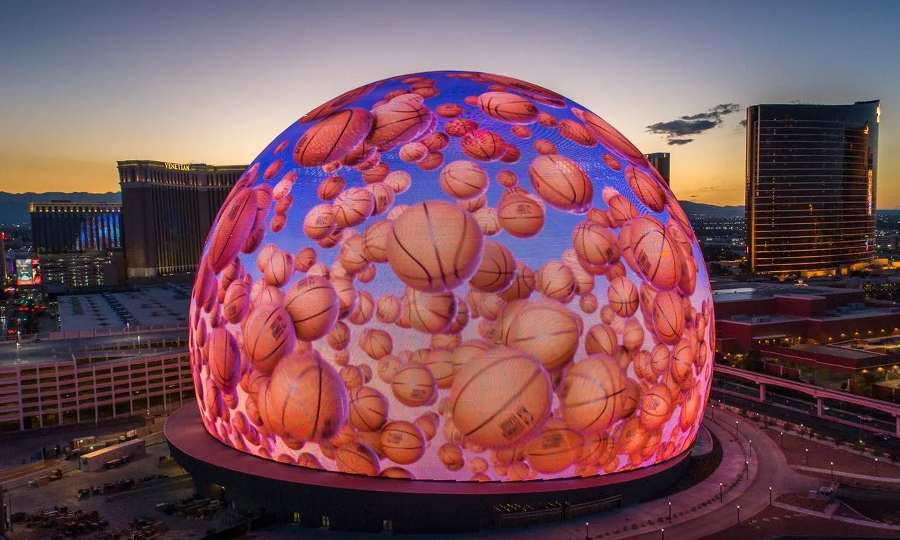
When we talk about the largest LED display in the world, we’re referring to The Sphere’s exosphere in Las Vegas, which spans an astonishing 580,000 square feet. I’ve witnessed firsthand how this colossal screen transforms the entire concept of public visual experiences. Size isn’t merely about square footage, though—it’s about creating immersive environments that captivate audiences in ways never before possible. This revolutionary display represents a significant leap forward in both scale and capability, setting new standards for what’s achievable in visual technology.
Why Size Matters in Today’s Digital World
I’ve observed smaller screens struggle to grab attention at crowded trade shows and public venues. In our advertisement-saturated world, standing out requires something truly spectacular. The largest LED display solves this visibility challenge by dominating physical spaces with vivid, unmissable visuals. Think about Times Square—its massive displays don’t just advertise; they define the entire experience of being there. For businesses investing in visual communication, scale amplifies reach and creates lasting impressions that simply can’t be achieved with conventional screen sizes.
The Sphere: Engineering the World’s Largest LED Display
Technical Specs That Wow
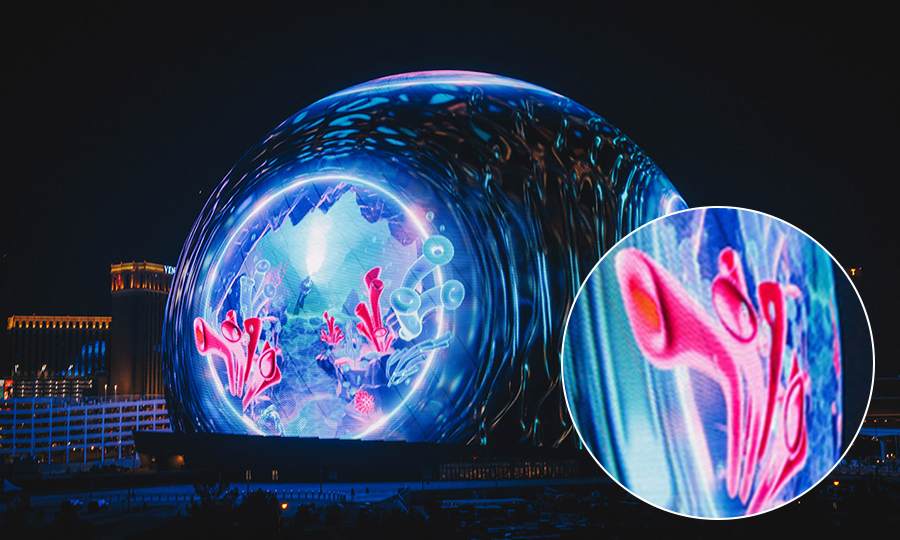
The Sphere’s exosphere, completed in 2023, features 1.2 million LED pucks covering 54,000 square meters. Each puck contains 48 diodes, enabling the display of 256 million colors at an impressive 19,000 x 13,500 resolution. Located in Paradise, Nevada, this architectural marvel was purpose-built for immersive entertainment experiences. According to a 2025 Nevada government report, it remains the pinnacle of LED technology as of March 2025. The sheer scale of this achievement is difficult to comprehend—imagine 580,000 square feet of high-definition display wrapped around a spherical structure!
Why The Sphere Stands Alone
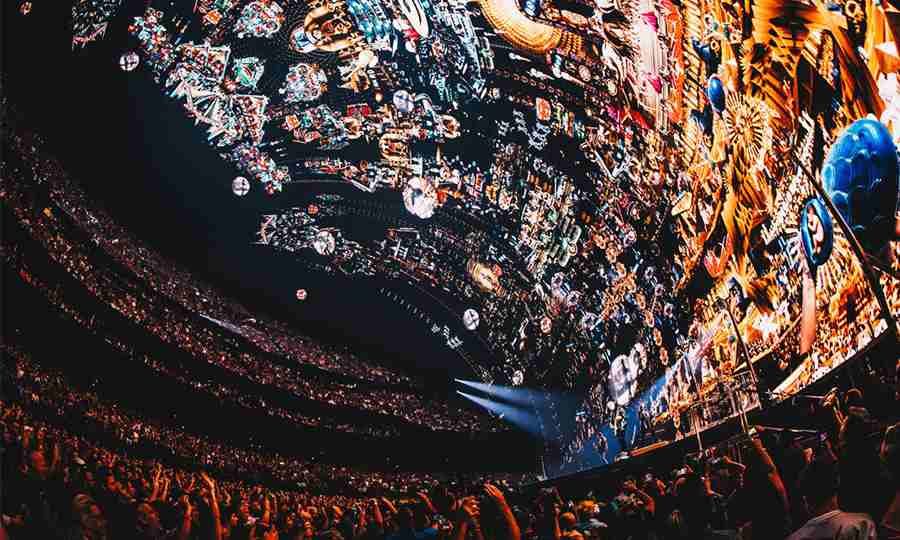
Having visited Las Vegas recently, I can confirm nothing compares to The Sphere’s 360-degree visual spectacle. It’s not merely the biggest—it’s a cultural phenomenon hosting concerts and events that attract visitors specifically to experience the display. A 2025 Las Vegas tourism study shows a 15% visitor increase attributed directly to The Sphere. What sets it apart is the seamless integration of size, purpose, and technology. Unlike flat billboards or traditional screens, this sphere LED screen creates a fully immersive environment that surrounds viewers in ways previously impossible with conventional display technology.
How Does It Stack Up? Comparing Large LED Displays
Fremont Street Experience: A Close Contender
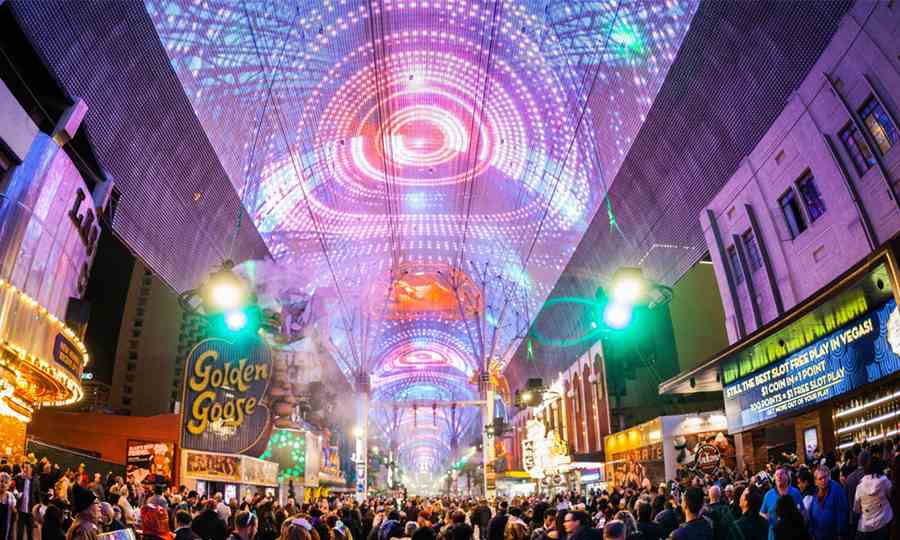
I’ve walked beneath Fremont Street’s impressive 130,000-square-foot LED canopy, which uses vibrant animations to captivate crowds in downtown Las Vegas. While impressive in its own right, it’s less than a quarter the size of The Sphere’s exosphere. The Fremont display excels in creating an immersive ceiling effect perfect for pedestrian zones. Its long, relatively narrow configuration serves a different purpose than The Sphere’s fully encompassing design. This comparison highlights an important principle: context matters as much as size when evaluating the effectiveness of large screen displays.
SoFi Stadium and Burj Khalifa: Big but Not Biggest
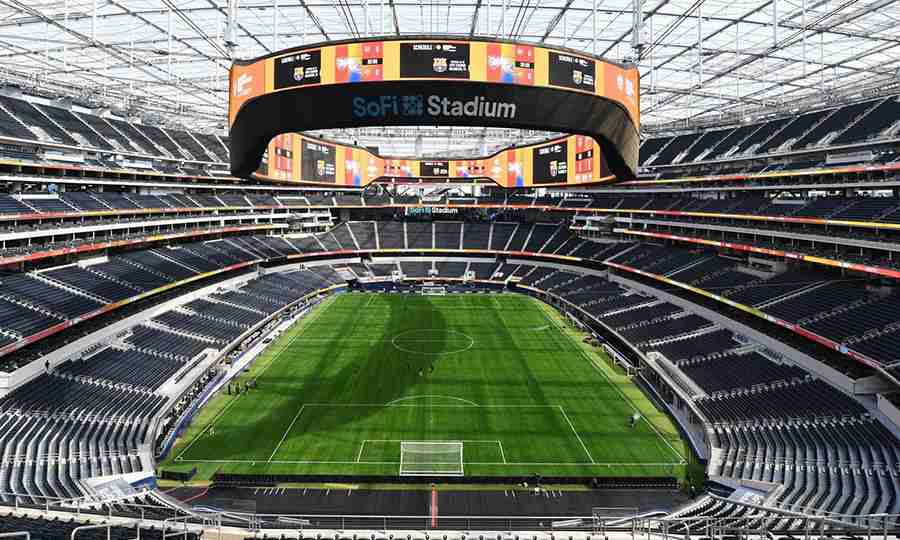
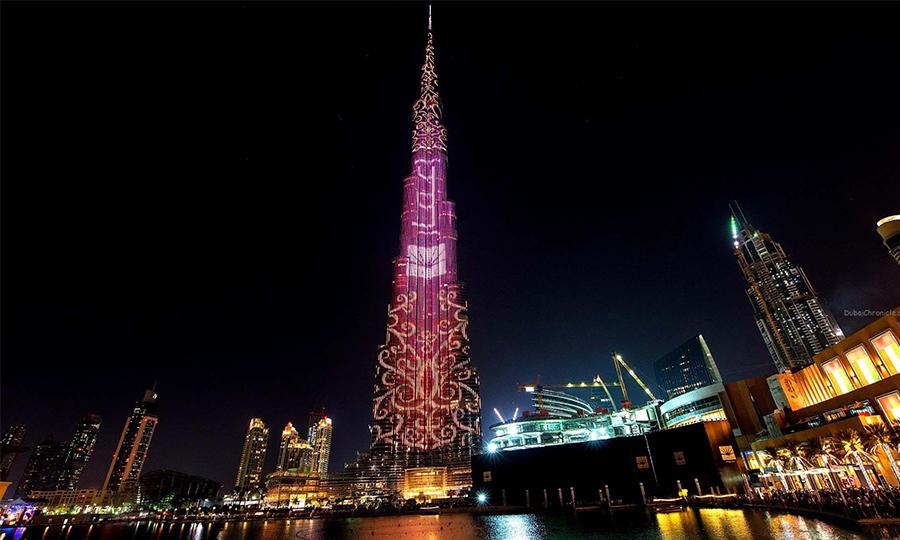
The stadium LED display at SoFi Stadium spans 70,000 square feet, delivering 4K UHD content to enhance sports viewing experiences. Meanwhile, Burj Khalifa’s 355,209-square-foot LED facade once held records before The Sphere’s arrival. A 2024 EventMB whitepaper ranks these displays among the top five globally, but they remain significantly smaller than The Sphere. SoFi’s display focuses on sports presentations, while Burj Khalifa’s serves as architectural enhancement. Each serves its purpose brilliantly, demonstrating that specialized applications often benefit from purpose-built displays rather than simply pursuing size records.
The Evolution of LED Displays: From Small to Colossal
Early LED Screens: Humble Beginnings
I recall the 1990s when LED technology was limited to basic scoreboards and pixelated signs. These early displays featured limited colors, low resolution, and minimal functionality. According to a 2023 University of Nevada study on display evolution, the first large-format LED screens offered less than 1% of the resolution we see today. The journey from those humble beginnings to today’s massive installations reflects decades of persistent innovation. Understanding this evolution helps us appreciate the technological leaps that make modern largest LED display installations possible.
Milestones That Paved the Way
The Burj Khalifa’s 2018 LED facade marked a significant advancement in large-scale displays, but The Sphere’s 2023 debut completely redefined what’s possible. I’ve tracked these developments closely, noting how each milestone pushed engineering boundaries forward. The introduction of weatherproof modules, improved brightness for outdoor visibility, and enhanced pixel density all contributed to the current generation of massive displays. These technological leaps didn’t happen overnight—they represent cumulative innovations from thousands of engineers and designers working to overcome seemingly impossible challenges.
Innovations Powering the Largest LED Display
Cutting-Edge LED Tech
Micro-LED technology powers today’s massive screens like The Sphere, enabling unprecedented pixel density across vast areas. I’m particularly impressed by how these advancements deliver sharper images while simultaneously reducing power consumption. A 2025 NIST report confirms these displays now achieve 40% greater energy efficiency compared to previous generations. Higher pixel density means viewers can stand closer without seeing individual pixels, creating truly immersive experiences. The technical challenge of manufacturing and installing millions of precisely calibrated LEDs over enormous areas represents one of modern engineering’s most impressive achievements.
Overcoming Engineering Hurdles
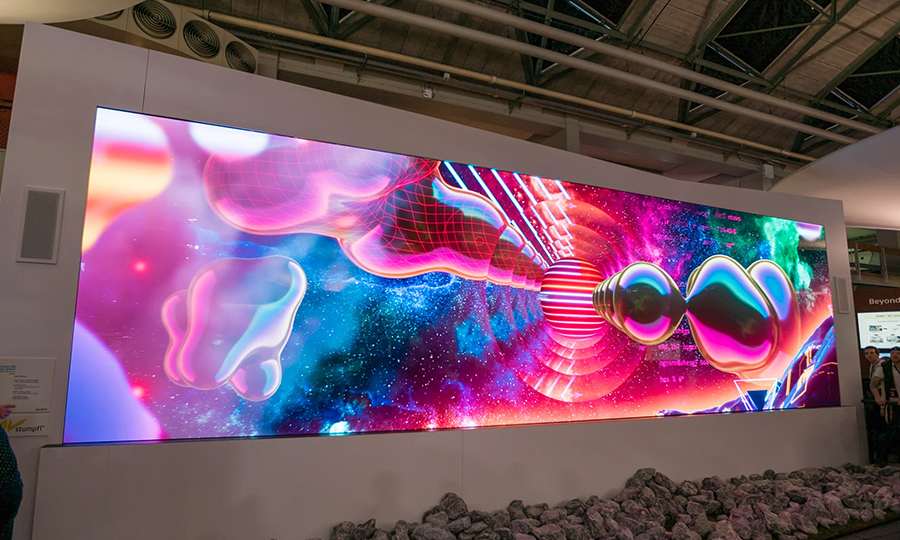
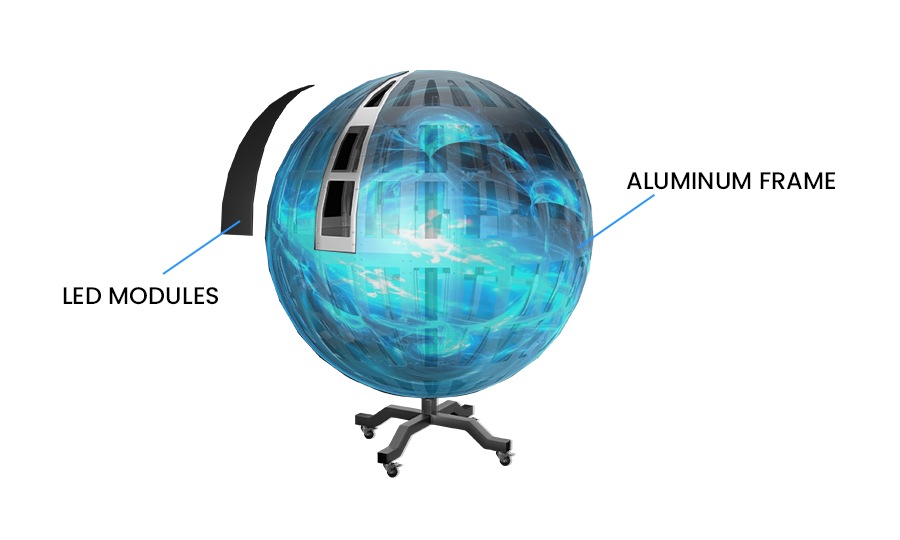
Building the largest LED display involves overcoming formidable challenges including heat management, weather resistance, and structural integrity. I’ve seen modular designs at trade shows that demonstrate solutions to these problems. Automated maintenance systems continually monitor and adjust individual modules to maintain consistent performance. Sophisticated cooling systems prevent overheating even in desert environments like Las Vegas. The engineering solutions behind these displays are often as impressive as the visual spectacles they create. The modular approach also allows for easier repairs, with individual sections replaceable without disrupting the entire display.
mpact of the Largest LED Display on Society
Redefining Urban Spaces
I’ve watched The Sphere transform Vegas’ skyline into an interactive canvas that changes the fundamental character of the city. These installations aren’t just screens; they’re architectural elements that reshape how people experience urban environments. A 2025 Skift report notes cities increasingly incorporate large screen displays into their urban planning to create distinctive identities. This trend represents a fundamental shift in how we think about public spaces and architecture. The buildings themselves become content platforms, changing throughout the day and creating dynamic environments unlike anything possible with static structures.
Boosting Entertainment and Ads
Concerts at The Sphere create otherworldly experiences—I witnessed this firsthand and was completely captivated. For advertisers, the impact justifies the premium price tag of $450,000 daily, according to a 2025 Kitcast industry analysis. These displays transcend traditional advertising by creating experiences that audiences actively seek out rather than ignore. From LED display stages at concerts to immersive branded environments, the technology is transforming how businesses connect with consumers. The line between entertainment and advertising blurs as content becomes more experiential and integrated with physical spaces.
What’s Next for LED Display Size?
Micro-LED and OLED Horizons
I’m particularly excited about emerging micro-LED and OLED technologies that promise displays that are smaller, brighter, and more durable. According to a 2024 LEDSINO industry forecast, these advancements could enable even larger displays by 2026. Future screens might make today’s records seem modest by comparison. The next generation of displays will likely feature flexible panels that can conform to irregular surfaces, creating possibilities for installations that integrate even more seamlessly with architecture. The boundaries between physical structures and digital displays continue to blur with each technological advance.
Will Bigger Be Better?
Rumors of 2025 projects in Dubai have caught my attention, though specific details remain scarce. As of March 2025, The Sphere maintains its position as the largest LED display in the world. I wonder if size alone will continue driving innovation, or if other factors like resolution, flexibility, and integration might become more important. Future record-breaking displays will likely focus not just on size but on creating more meaningful and impactful experiences. The most successful installations will combine impressive scale with thoughtful purpose and content strategy.
Choosing the Right LED Display for Your Needs
Key Factors to Weigh
From my experience advising clients, pixel pitch and brightness consistently top the list of critical factors when selecting LED displays. Outdoor installations typically require brightness exceeding 5,000 nits, while indoor applications can function effectively at lower levels. The right size depends on viewing distance, venue constraints, and budget considerations. Many buyers worry about integration challenges, but modular systems have simplified this considerably. For LED screen event applications, portability and quick assembly become additional priorities. Remember that bigger isn’t always better—the display should match your specific needs and environment.
Practical Takeaways from the Largest LED Display
Lessons for Businesses
I’ve learned that while size captures attention, technology and purpose ultimately determine success. The Sphere teaches us the value of adaptability—its dynamic content capabilities allow it to serve multiple functions. For event planners, modular LED display stages offer rental opportunities that maximize return on investment. Invest wisely, though, as costs can escalate quickly with increasing size and resolution. Consider starting with smaller, strategic installations before committing to massive displays. Focus on content quality and relevance—even the largest display will fail without compelling visuals to showcase.
My Final Thoughts
I believe The Sphere’s largest LED display offers a glimpse into tomorrow’s visual landscape. It inspires me to push boundaries in my own work with display technology. The innovations driving these massive installations are already trickling down to smaller applications, improving quality and reducing costs across the industry. However, I must add this disclaimer: financial risks vary significantly based on application and scale—always conduct thorough cost-benefit analysis before investing. Size certainly matters in creating visual impact, but strategy, content, and purpose remain the true keys to success in the evolving world of LED display technology.