
Ultimate Guide to P3 LED Wall: Unveiling High Definition and Excellent Performance
Are you struggling with p3 led wall installation costs or wondering if the visual clarity will meet your expectations at different viewing distances? Understanding P3 LED technology is crucial for making informed decisions about your display investment. As digital signage becomes increasingly important for businesses, the P3 LED wall stands out as a versatile solution balancing quality and cost-effectiveness.
Understanding LED Wall Technology Fundamentals
The Building Blocks of LED Wall Systems
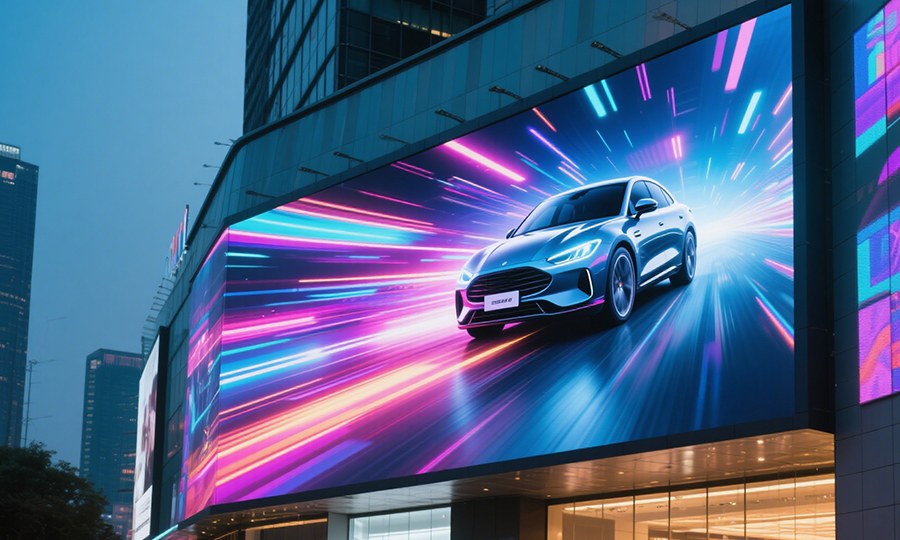
Modern LED walls have revolutionized large-format visual displays. Unlike traditional display solutions that use multiple screens with visible bezels, LED walls create a seamless visual canvas that can be scaled to virtually any size.
“LED wall pixel pitch is the single most important specification that determines image quality and appropriate viewing distance,” explains James Chen, Display Technology Specialist at Digital Signage Today. “It fundamentally affects everything from cost to visual performance.”
The basic structure includes:
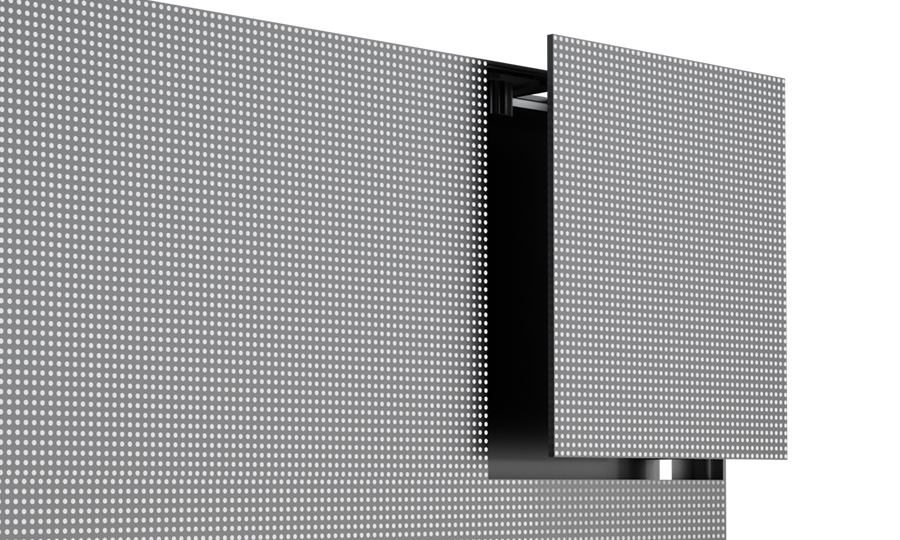
- LED modules (tiles) containing thousands of individual RGB LEDs
- Cabinet frames that house multiple modules
- Power supplies and signal processors
- Control systems for content management
These components work together to create bright, dynamic displays that outperform traditional projection systems in most environments.
Decoding Pixel Pitch: What the “P” Really Means
The “P” in P3 refers to the pixel pitch definition — the distance between the centers of adjacent pixels measured in millimeters. Therefore, a p3 led wall has pixels positioned exactly 3mm apart from center to center.
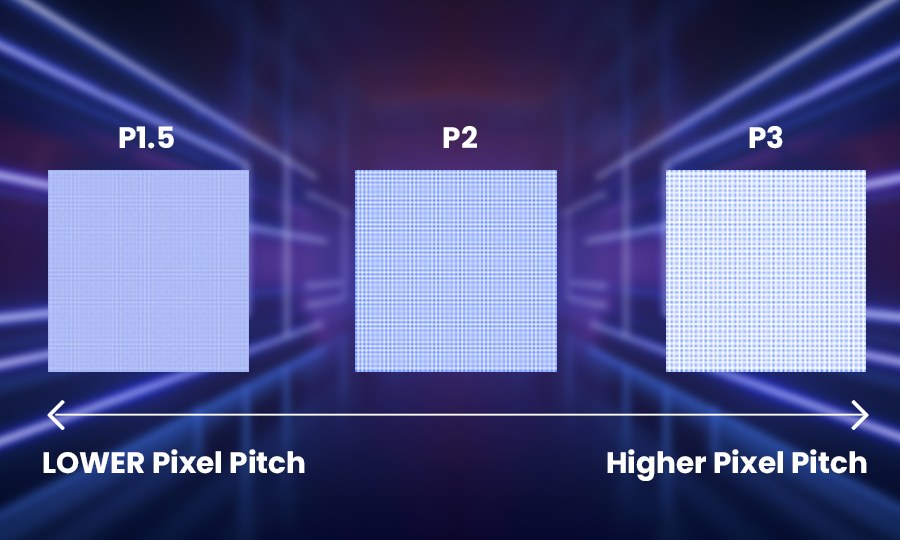
LED pixel pitch directly determines:
- Display resolution and image clarity
- Optimal viewing distance
- Price point and manufacturing complexity
Smaller led screen pixel pitch values (like P1.5 or P2) create higher-resolution displays suitable for close viewing, while larger values (P4, P6, etc.) are designed for viewing from further distances. The relationship between pitch and viewing distance follows a roughly proportional pattern that experienced installers use to calculate pixel pitch needs for specific applications.
P3 LED Wall: Technical Specifications and Performance Features
Resolution and Pixel Density Explained
A p3 led wall resolution provides approximately 111,111 pixels per square meter. This pixel density creates impressively sharp images when viewed from the recommended distance of about 3 meters.
For context, to achieve a full HD (1920×1080) resolution using a p3 indoor led display, you’d need a screen approximately:
- 76 meters wide
- 24 meters high
- 66 square meters in total area
This relationship between physical size and resolution is critical when planning installations, as larger wall areas deliver higher effective resolution with p3 led wall technology.
Brightness, Contrast, and Color Performance
P3 LED displays vary significantly between indoor and outdoor applications:
P3 Indoor LED Screen specifications:
- Brightness: Typically 800-1,200 cd/m² (some premium models reach 1,500-2,000 cd/m²)
- Contrast ratio: 3000:1 to 5000:1
- Color depth: 16.7 million colors
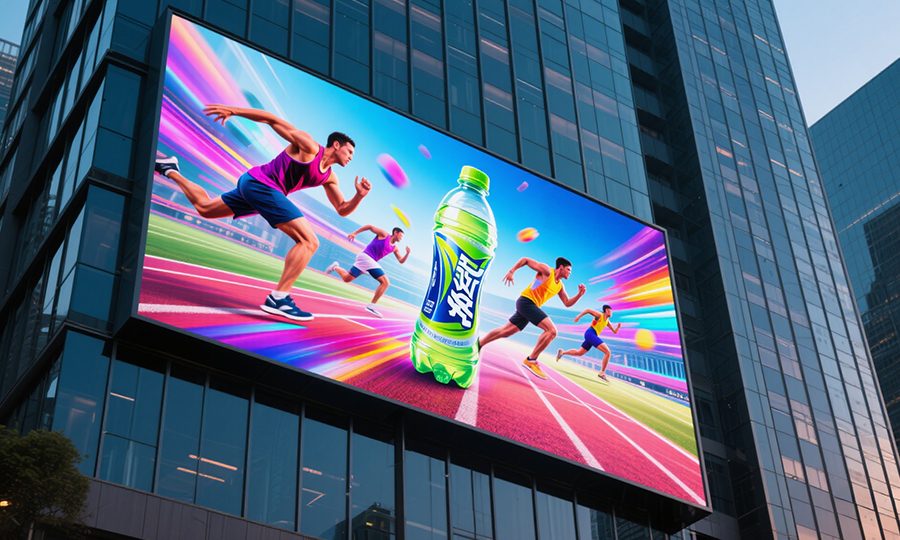
Outdoor P3 displays feature much higher brightness levels (5,000+ cd/m²) to remain visible in direct sunlight, along with enhanced weatherproofing and heat dissipation systems.
alt=”.”>
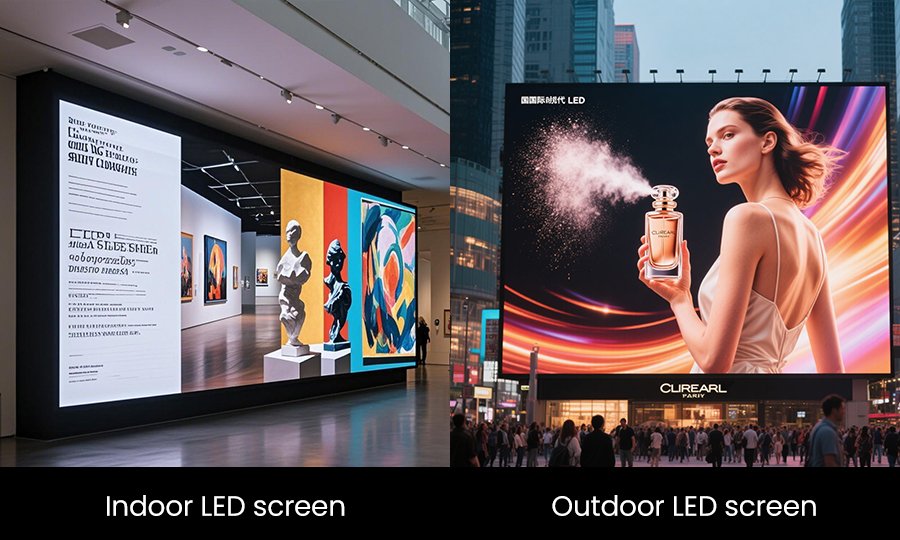
“The latest p3 indoor led display technology utilizes black surface LEDs that absorb ambient light,” notes Taylor Wong, Technical Director at BizBash. “This dramatically improves contrast levels, making colors pop even in challenging lighting conditions.”
Refresh Rates and Viewing Angles
Two critical specifications that affect real-world performance:
- Refresh Rates: Most quality P3 displays operate at ≥3840Hz, eliminating flicker and ensuring smooth motion — especially important for environments where displays might be filmed or photographed.
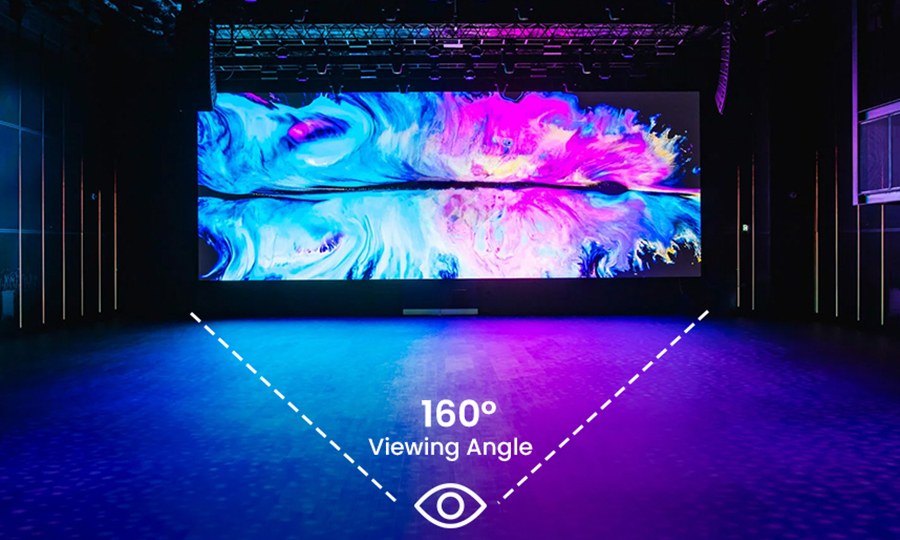
- Viewing Angles: P3 LED walls typically offer 140°-160° viewing angles both horizontally and vertically, allowing for flexibility in audience placement.
P3 LED Wall Applications: Where This Technology Excels
Indoor Use Cases That Drive Results
The p3 indoor led screen shines in controlled environments where audiences view content from moderate distances (approximately 3-10 meters). Common applications include:
- Corporate lobbies and meeting rooms
- Retail environments and shopping mall displays
- Houses of worship and community centers
- Television studios and broadcast environments
- Museum and educational institution installations
- Nightclub and entertainment venue visuals
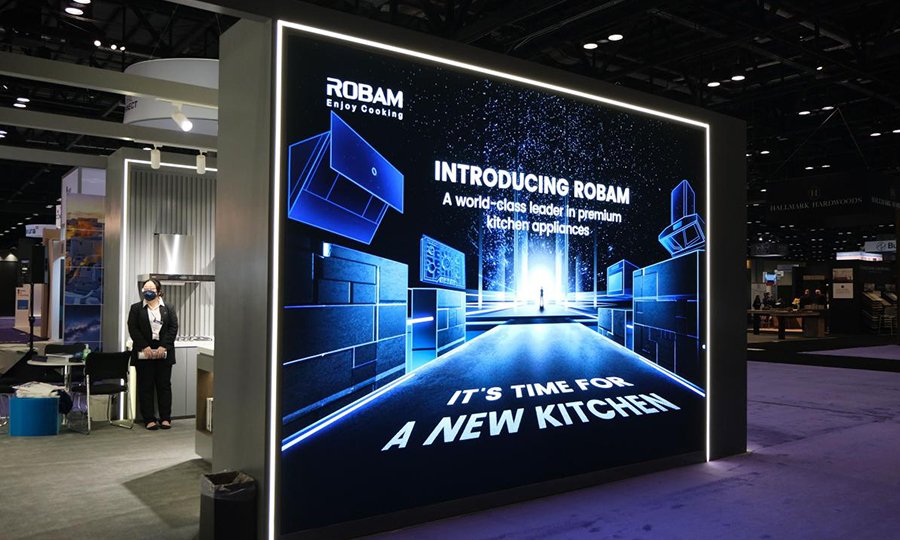
Many businesses are transitioning from projection systems to p3 indoor led display technology due to superior brightness, contrast, and longevity. While the initial investment is higher, the elimination of bulb replacements and improved performance in ambient light often justify the cost.
Outdoor Applications for Maximum Impact
Outdoor P3 installations require specialized hardware but deliver impressive results for:
- Stadium and arena scoreboard displays
- High-end advertising billboards
- Event spaces and festival grounds
- Building façade architectural features
- Public information displays
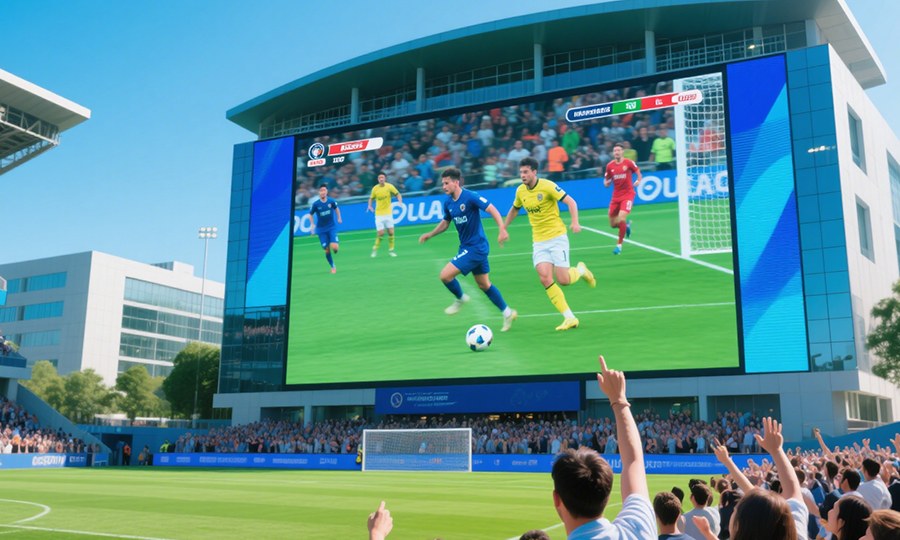
These applications demand careful consideration of weather protection (typically IP65 rating), cooling systems, brightness levels, and structural support to withstand environmental challenges.
Comparative Analysis: P3 vs. Alternative Pixel Pitches
P3 vs. P2: When to Justify the Premium
When comparing p3 led wall technology to the finer P2 LED screen displays:
| Feature | P3 LED | P2 LED |
| Pixel Density | 111,111/m² | 250,000/m² |
| Optimal Viewing | ~3 meters | ~2 meters |
| Relative Cost | Moderate | High |
| Applications | General indoor | Premium, close-viewing |
For applications where viewers will typically be 3+ meters from the display, the additional clarity of P2 may not justify its approximately 30-50% price premium.
P3 vs. P4: Finding the Value-Performance Balance
The led screen p3 vs p4 comparison reveals important tradeoffs:
| Feature | P3 LED | P4 LED |
| Pixel Density | 111,111/m² | 62,500/m² |
| Image Quality | Higher detail | More pixelated at close range |
| Viewing Distance | ~3 meters minimum | ~4 meters minimum |
| Cost Efficiency | Moderate | More economical |
This comparison highlights why understanding pixel pitch relationships is crucial. For venues where viewers will always be 4+ meters away, P4 may deliver adequate visual quality at a lower price point.
alt=”Compare P3 vs P2 vs P4 LED pixel density for detail.”>
图9:P3与P2、P4 LED像素密度对比图/p>
Advantages and Limitations of P3 LED Wall Technology
Key Benefits That Drive Adoption
P3 LED walls offer compelling advantages:
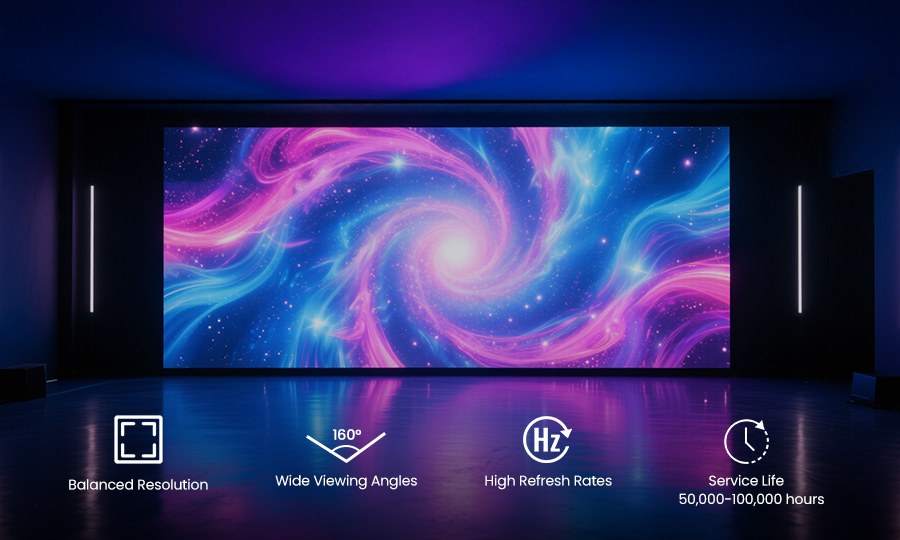
- Balanced resolution-to-cost ratio: Sufficient detail for most applications without premium pricing
- Wide viewing angles: Consistent experience for viewers positioned off-center
- High refresh rates: Flicker-free performance ideal for camera recording
- Modular design: Scalable to different sizes and configurations
- Energy efficiency: Lower power consumption than older LED technologies
- Long operational lifespan: Typically rated for 50,000-100,000 hours
Limitations to Consider
Realistic considerations include:
- Not ideal for very close viewing: Pixel structure becomes visible under 2.5 meters
- Higher initial cost than P4: Budget considerations may favor larger pixel pitches
- Power and heat management: Large installations require substantial electrical infrastructure
- Maintenance complexity: Specialized knowledge required for repairs and calibration
- Brightness limitations for indoor models: May require environmental light control
How to Select the Right P3 LED Wall for Your Project
Assessing Viewing Distance and Content Requirements
The relationship between LED panel pixel pitch and viewing distance follows a general “3-times rule” — optimal viewing distance starts at approximately 3 times the pixel pitch in meters. For a p3 led wall, that’s roughly 3 meters minimum viewing distance.
Consider these factors:
- Minimum viewing distance: Will any viewers be closer than 3 meters?
- Content type: Text-heavy content demands closer attention to resolution
- Dynamic vs. static: Fast-moving content may require higher refresh rates
- Ambient lighting: Brighter environments demand higher display brightness
Budgeting and Environmental Considerations
Your environment plays a crucial role:
- Indoor vs. outdoor LED screens: Outdoor installations require weatherproofing, higher brightness, and structural considerations
- Available power: P3 walls consume approximately 400-450W/m² on average
- Heat management: Proper ventilation is essential for optimal performance
- Structural support: Weight-bearing capacity must accommodate the display
Safety, Compliance, and Maintenance Considerations
LED installations must comply with various safety standards including:
- UL/ETL electrical safety certification
- FCC electromagnetic interference standards
- Local building and fire codes
- ADA accessibility guidelines where applicable
Regular maintenance typically involves:
- Quarterly visual inspections
- Annual color calibration
- Periodic firmware updates
- Replacement of failed modules as needed
Disclaimer: Always consult with qualified professionals for specific advice regarding electrical, structural, and safety requirements for your LED installation. Local regulations vary significantly.
Conclusion: Is P3 LED Wall Technology Right for Your Application?
The p3 led wall represents a sweet spot in the balance between visual quality and cost-effectiveness. Its 3mm pixel pitch delivers excellent image clarity at viewing distances of 3 meters or more, making it suitable for a wide range of commercial applications.
For environments where viewers will be consistently closer than 3 meters, consider finer pitch options like P2 or P2.5. Conversely, for very large displays viewed primarily from greater distances, P4 or larger pitches may provide better economic value.
What is display P3 technology ultimately about? It’s about finding the optimal balance between visual performance and budget. By understanding your specific viewing environment, content requirements, and audience engagement goals, you can determine if P3 is the right solution for your digital display needs.