P8 LED Display: Analyzing Cost-Effectiveness and Achieving Optimal Clarity for a Visual Spectacle
When businesses invest in digital signage, understanding the technical specifications is crucial for making the right choice. A P8 LED screen represents a specific category of LED advertising display board where the “P8” designation refers to an 8mm pixel pitch—the distance between the centers of adjacent LED pixels. This measurement critically determines both visual quality and optimal viewing distance.
Understanding Pixel Pitch: The Foundation of P8 LED Screens
What “8mm” Really Means for Your Display
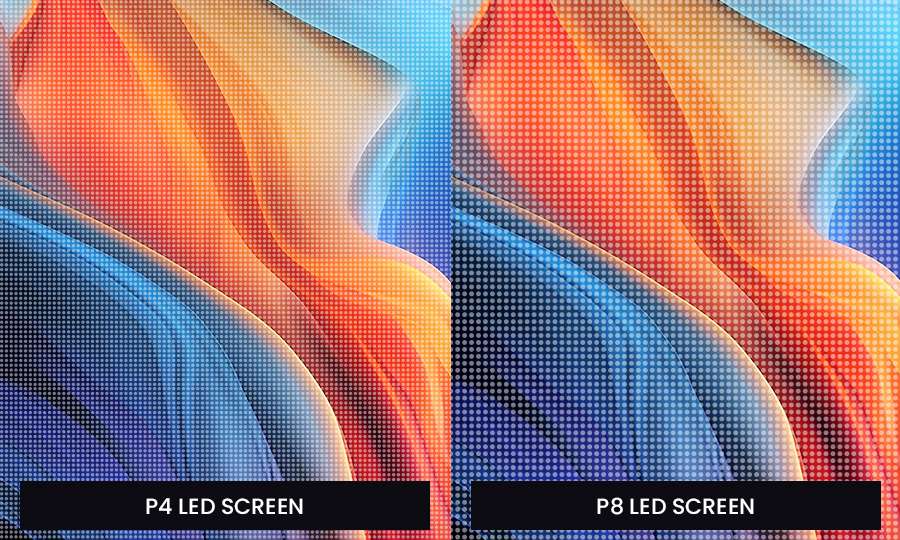
The number “8” in P8 refers directly to the 8-millimeter spacing between pixels in the display. This measurement fundamentally affects everything about how the screen performs and where it works best. In the world of display pixel density, a smaller number (like P4 or P5) indicates pixels positioned closer together, creating higher resolution images but at significantly higher costs.
How Pixel Spacing Affects Image Clarity and Viewing Distance
The relationship between pixel pitch and viewing distance follows a simple principle: the larger the pitch, the greater the optimal viewing distance. For P8 outdoor LED screens, this translates to an ideal viewing range of 8-24 meters (26-79 feet). At closer distances, viewers might notice individual pixels, diminishing the visual experience.
When compared to high pixel density displays like P4 (4mm pitch) screens that offer 62,500 pixels per square meter, P8 displays deliver 15,625 pixels per square meter—adequate for medium to long-distance viewing but less suitable for up-close inspection. This fundamental trade-off between pixel display size and viewing distance creates distinct application categories in the LED display market.
The Strategic Advantage: Why P8 Often Wins for Outdoor Applications
For outdoor applications like billboards, sports stadiums, and large venue events, P8 displays hit a sweet spot in the cost-to-performance ratio. While dense pixel displays offer superior image quality, they come with substantially higher price tags—often 1.5-2x more expensive than comparable P8 solutions.
When the Business Improvement District in downtown Los Angeles upgraded their digital signage, they initially considered P5 displays but ultimately selected P8 LED displays after realizing viewers would primarily see the content from 30+ feet away. This decision saved them approximately 35% on hardware costs while delivering visually identical results from the actual viewing distances.

Technical Architecture of P8 LED Screens
RGB Configuration: Creating Vibrant Colors
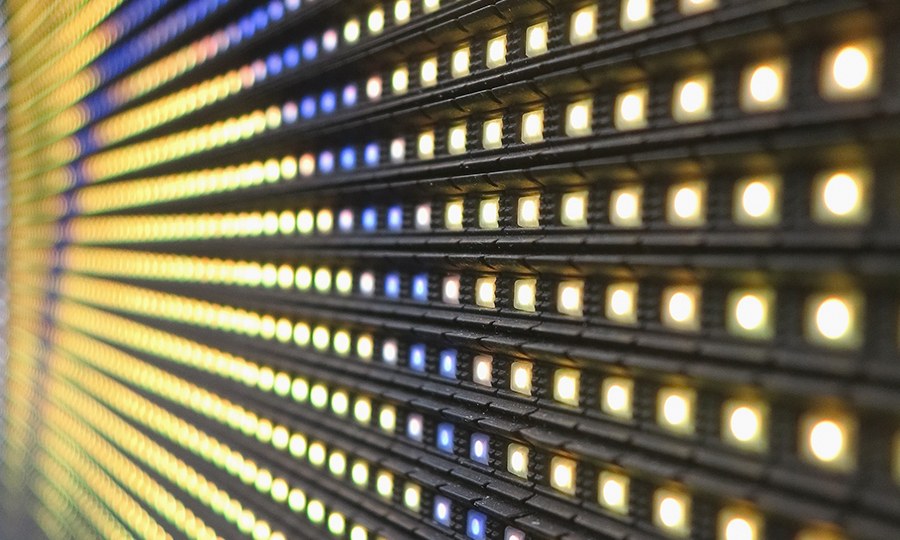
At the heart of every P8 display is its RGB (Red-Green-Blue) LED configuration. Most P8 modules utilize a 1R1G1B arrangement within each pixel in display, meaning one red, one green, and one blue LED combine to create a single full-color pixel. This trinity of light-emitting diodes can generate over 16.7 million colors when properly calibrated.
The color performance of modern P8 screens has dramatically improved over earlier generations. Current models typically offer 14-16 bit color processing depth, allowing for smooth gradients and accurate color reproduction—critical for brand logo fidelity in outdoor advertising LED display boards.
SMD Technology: The Industry Standard
P8 LED screens predominantly use Surface-Mounted Device (SMD) technology, where the RGB components are encapsulated in a single package and mounted directly onto the circuit board. This design approach yields several advantages over older DIP (Dual In-line Package) technology:
- Improved viewing angles (typically 140°-160°)
- Better color mixing at various viewing distances
- Enhanced durability in outdoor conditions
- Slimmer overall module profile
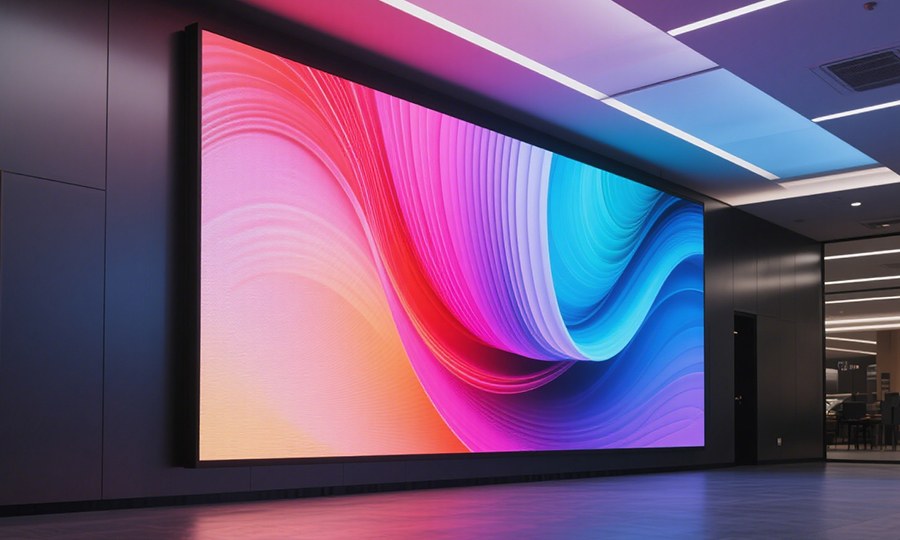
Brightness Performance: Cutting Through Sunlight
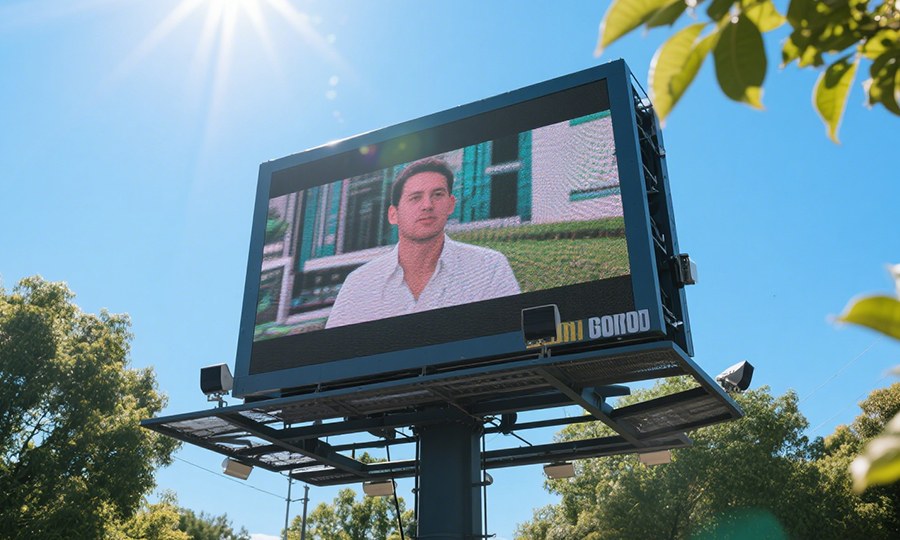
One of the standout features of P8 LED displays is their exceptional brightness, typically ranging from 5,000 to 8,000 nits. This intense luminance ensures content remains clearly visible even in direct sunlight—a crucial requirement for any outdoor advertising LED display board.
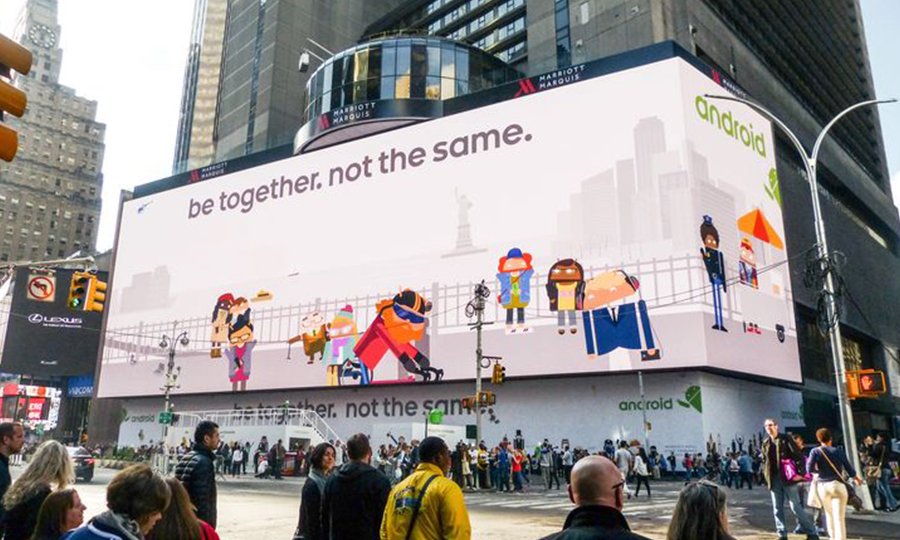
To put this in perspective, a typical laptop screen produces about 300-500 nits, while high-end smartphones max out around 1,000-1,500 nits. The extraordinary brightness of P8 displays allows them to overcome ambient light challenges that would render conventional displays unreadable.
Most quality P8 systems also incorporate automatic brightness control, using ambient light sensors to adjust output levels—maximizing visibility while optimizing power consumption and extending component lifespan.
Critical Specifications for Informed Buying Decisions
Resolution and Pixel Density: Understanding the Numbers
A P8 LED screen delivers approximately 15,625 pixels per square meter—a display pixel density that strikes a balance between detail and cost-effectiveness. While this density doesn’t match indoor high pixel density displays like P2.5 or P3, it provides sufficient resolution for content viewed from appropriate distances.
For context, a standard P8 panel measuring 3m × 2m (6 square meters) contains around 93,750 individual pixels. This resolution supports:
- Clear text display (minimum font size ~15cm for optimal readability)
- High-definition video content
- Dynamic graphics and animations
- Live camera feeds with good detail retention
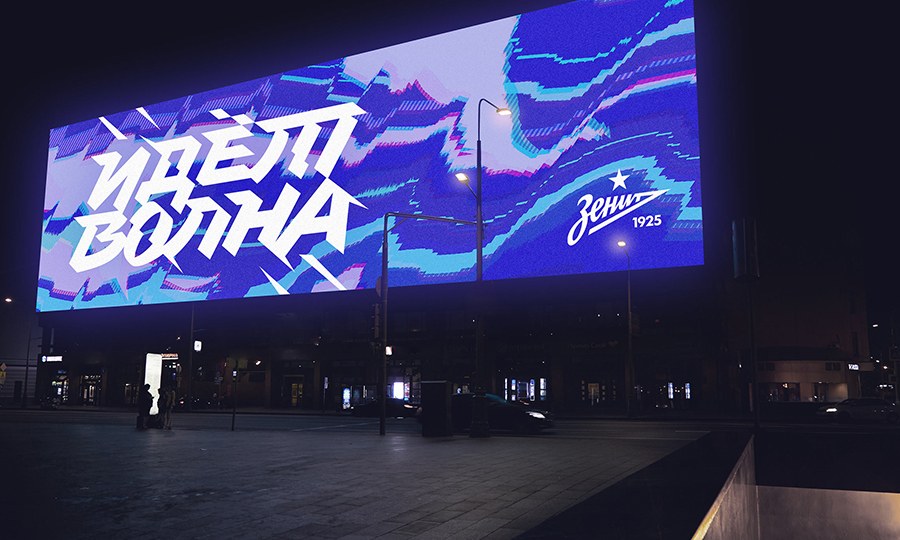
Refresh Rate: Smooth, Flicker-Free Visuals
Modern P8 LED screens feature refresh rates between 1,920Hz and 3,840Hz, with some premium models reaching up to 7,680Hz. These high refresh rates eliminate visible flicker, prevent screen tearing during fast-moving content, and ensure smooth playback of video content—particularly important for sports venues and dynamic advertising displays.
Viewing Angle: Maximizing Audience Reach
P8 displays typically offer viewing angles of 140°-160° both horizontally and vertically. This wide coverage ensures content remains visible and vibrant even when viewed from extreme angles.
Module Dimensions and Installation Flexibility
The modular design of P8 systems allows for tremendous flexibility in creating displays of virtually any size or shape. Common P8 module dimensions include:
- 256mm × 128mm (standard)
- 320mm × 160mm
- 320mm × 320mm
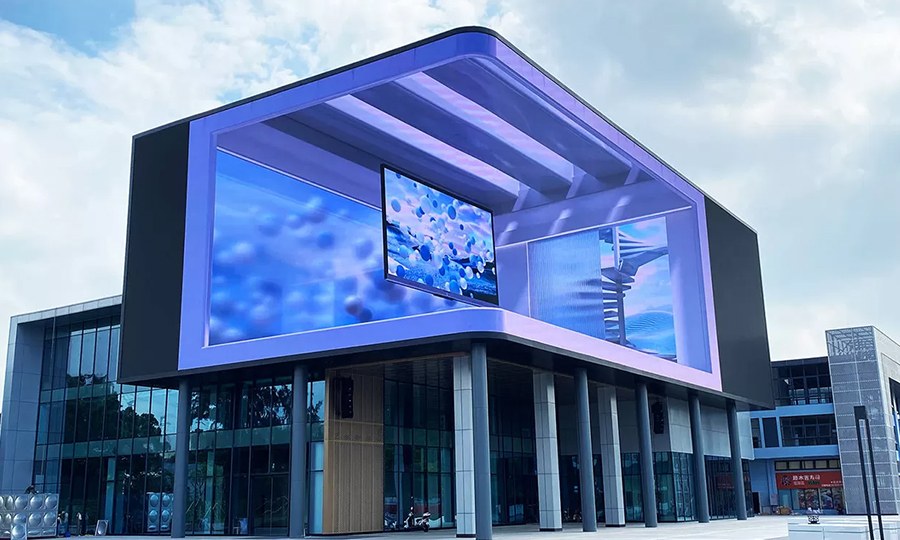
These modules combine into larger cabinet assemblies (typically 960mm × 960mm or similar dimensions), which can then be arranged to create displays of custom dimensions, individual modules can be replaced without dismantling the entire display.
Weather Resistance and Durability Factors
IP65/IP66 Ratings: What They Really Mean
P8 outdoor displays are engineered to withstand challenging environmental conditions. Most quality P8 outdoor LED screens carry IP65 or IP66 ratings, which translate to:
- Complete protection against dust ingress
- Protection against water jets from any direction (IP65)
- Protection against powerful water jets and heavy seas (IP66)
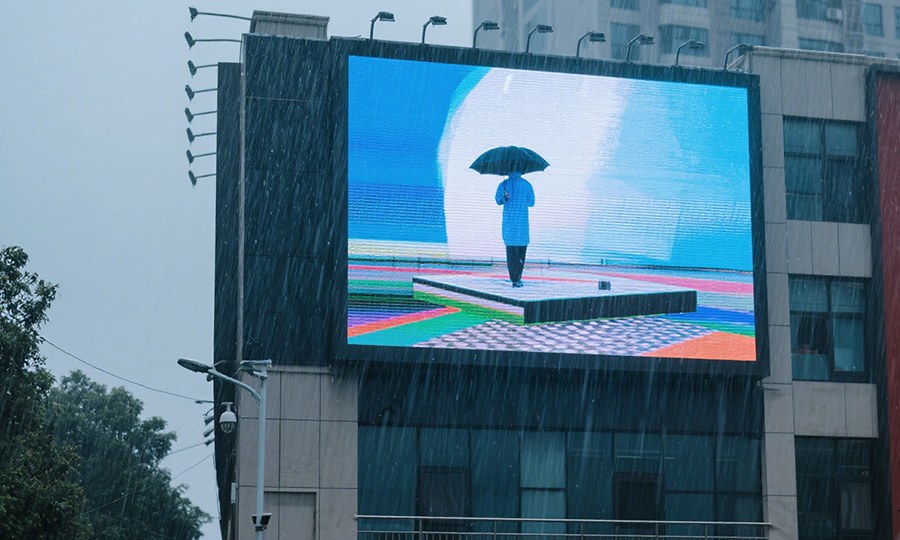
This robust environmental protection enables continuous operation in rainstorms, high humidity, and dusty conditions without compromising performance or longevity.
Temperature Tolerance: Performing in Extremes
Quality P8 displays operate reliably across an impressive temperature range from -30°C to +70°C (-22°F to +158°F). This wide operating window makes them suitable for installations from frigid northern locations to scorching desert environments.
The engineering behind this thermal resilience involves:
- Specialized component selection rated for extreme temperatures
- Efficient heat dissipation systems
- Thermally optimized cabinet designs
- Temperature-compensated power management
Longevity and Maintenance Considerations
With proper maintenance, P8 LED screens typically offer operational lifespans exceeding 100,000 hours—equivalent to over 11 years of continuous 24/7 operation. However, achieving this longevity requires adherence to maintenance best practices:
- Regular cleaning based on environmental conditions
- Seasonal brightness calibration adjustments
- Quarterly inspection of mounting hardware and connections
- Avoidance of static, high-brightness content for extended periods
- Professional recalibration every 2-3 years to maintain color uniformity
Power Consumption and Energy Efficiency
Understanding Power Requirements
P8 LED displays typically consume between 240-400 watts per square meter during average operation, with maximum power draw reaching 900 watts per square meter at peak brightness. This power consumption profile creates important considerations for installation planning and operational budgeting.
Calculating Operational Costs
To estimate monthly electricity costs for a P8 LED display, use this formula:
Monthly Cost = Area (m²) × Avg. Power (W/m²) × Hours/Day × Days/Month × Electricity Rate ($/kWh) ÷ 1000
For example, a 20m² P8 display running 12 hours daily with 300W/m² average consumption at $0.15/kWh would cost approximately:
20m² × 300W/m² × 12hrs × 30days × $0.15/kWh ÷ 1000 = $324/month
This calculation helps organizations budget accurately for operational expenses beyond the initial hardware investment.
Real-World Applications: Where P8 LED Screens Excel
Outdoor Advertising and Digital Billboards
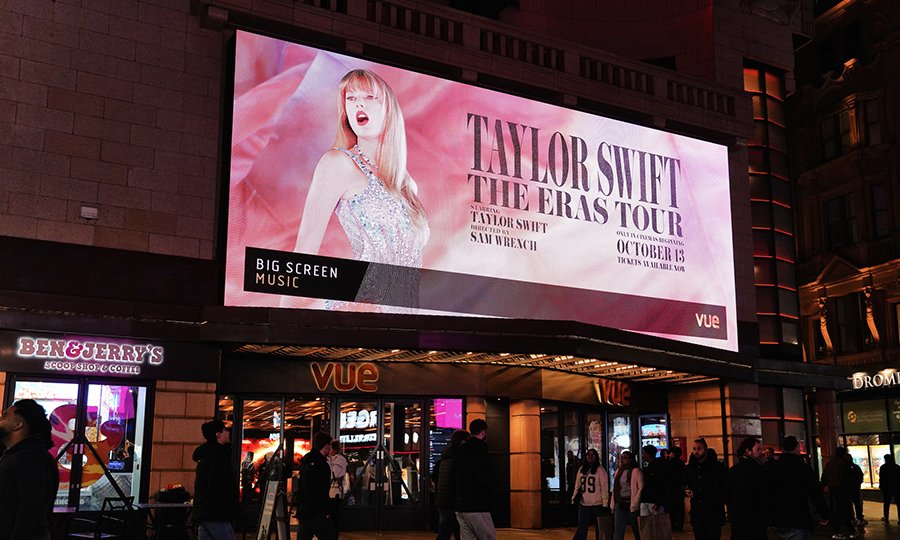
The LED advertising display board market has embraced P8 technology for highway billboards, urban advertising, and large-format digital signage. The combination of high brightness, weather resistance, and optimal viewing distance (8-24 meters) makes P8 displays particularly effective for these applications.

Sports Venues and Entertainment Facilities
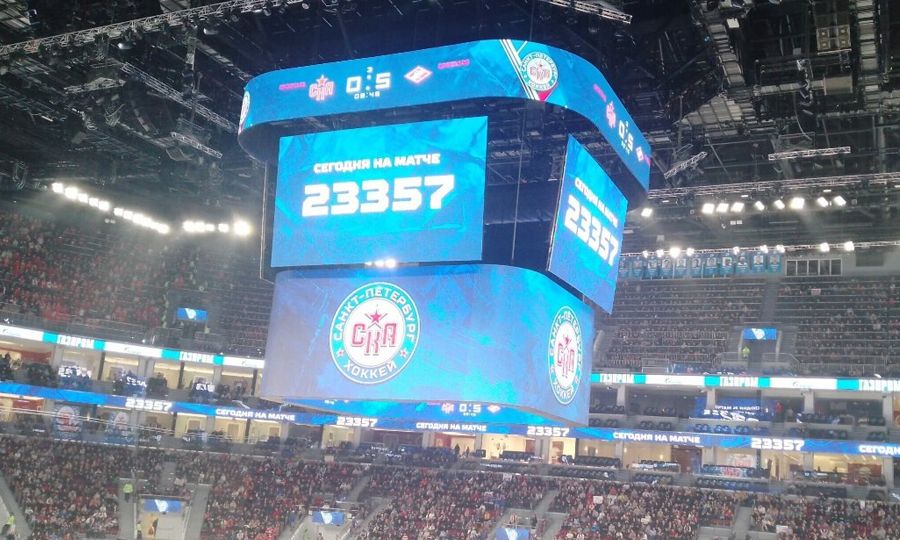
Sports stadiums and entertainment venues represent another prime application for P8 LED screens. Their balance of resolution and viewing distance makes them ideal for:
- Main scoreboards and statistics displays
- Perimeter/ribbon boards surrounding fields or courts
- Entry plaza information displays
- Sponsor activation areas
Making the Right Choice: Is P8 Right for Your Project?
Decision Framework: Key Considerations
When evaluating whether a P8 LED screen suits your project needs, consider these critical factors:
Viewing Distance: If your primary audience will be viewing content from 8+ meters away, P8 provides sufficient resolution.
Installation Environment: For outdoor or semi-outdoor locations with variable lighting, P8’s brightness and durability excel.
Content Type: For text, video, and general graphics viewed at appropriate distances, P8 delivers excellent results.
Budget Constraints: P8 typically offers 30-40% cost savings compared to P4/P5 solutions of equivalent size.
When to Choose Higher-Density Alternatives
While P8 excels in many scenarios, certain applications benefit from higher display pixel density options:
- Indoor lobbies or showrooms where viewers approach within 5 meters
- Luxury retail environments where image refinement is paramount
- Broadcast studio backdrops requiring perfect camera reproduction
- Presentations featuring detailed technical data, charts, or small text
In these cases, P4 or P5 displays may justify their premium cost through superior close-range performance.
Conclusion: The Strategic Value of P8 LED Technology
The P8 LED screen represents a carefully engineered balance between visual performance and economic practicality. With its 8mm pixel pitch creating a display pixel density of 15,625 pixels per square meter, P8 technology delivers impressive visual impact.