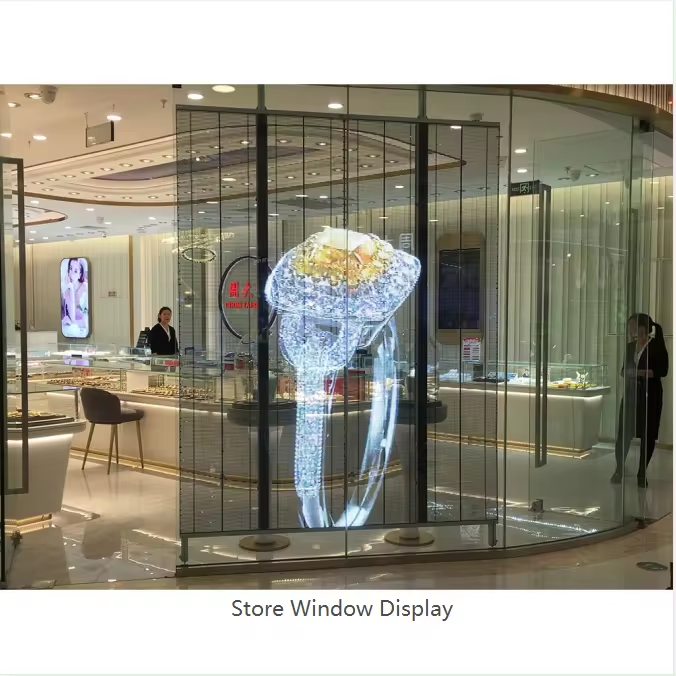
A Comprehensive Analysis of Transparent LED Display Screen: Types, Characteristics, and Application Depth Guide
Transparent LED displays have become a core visual technology for brands, retail spaces, architecture, and immersive exhibitions.
The fast growth of this segment stems from rising demand for lighter, thinner, more flexible display solutions that do not block light or disrupt architectural aesthetics.
In this article, you will find a clear breakdown of every major transparent display type, how each one performs in real use, and how you can choose the right option for your project with confidence.

What Is a Transparent LED Display?
A transparent LED display is a digital display solution that delivers high-brightness visuals while allowing natural light and sightlines to pass through the structure. You can think of it as a display that shows vivid content without creating a visual barrier. This balance of visibility and openness makes transparent displays ideal for commercial windows, building façades, exhibition environments, and creative installations.
This category includes several technologies. Film LED screens, crystal film screens, holographic LED screens, transparent LED panels, LED mesh screens, and LED glass all fall under the broader “transparent display” family. Each option uses a different structural and optical approach, so users benefit when they understand how these differences influence performance, installation feasibility, and long-term cost.
Industry data reinforces the acceleration of this segment. According to a 2023 report from Allied Market Research, the global transparent display market is expected to reach more than USD 12 billion by 2030, driven by retail digitization, smart-city development, and architectural media applications (source: Allied Market Research, Transparent Display Market Report). This trend shows why transparent LED displays will continue to influence both design and commercial communication.

Why Transparent Displays Matter in Modern Visual Communication
Transparent displays matter because they solve a gap that traditional LED panels cannot fill. Conventional LED walls block light, add structural weight, and restrict interior visibility. Transparent LEDs remove these constraints. They create digital layers on top of physical environments without decreasing openness or disrupting the existing architecture. Many end users now demand displays that work visually while preserving transparency, especially in high-end retail and landmark façades. Further, energy efficiency continues to influence purchasing decisions. Many transparent LED systems consume less power because their hollow structures reduce LED density. Users who need sustainability, aesthetics, and display performance often find transparent LEDs meet all three goals at once.
Comparing Transparent LED Screens and LED Mesh/Grid Screens
The difference between transparent LED screens and mesh LED screens represents one of the most common questions from buyers. A transparent LED screen offers higher pixel density and better clarity, while a mesh screen focuses on large-scale outdoor visibility with extreme brightness. Both use hollow structures to preserve transparency, but they do so in different ways.
Below is a clear comparison to help you decide which one supports your project.
Structural Differences
Transparent LED screens use slim strip modules, refined SMD packaging, and precise control systems. This design allows tight pixel spacing and high transparency at the same time. Mesh or grid screens rely on LED light bars arranged in large gaps to reduce wind resistance and structural load. You get a strong outdoor solution, but you sacrifice pixel density and close-range clarity.
Optical Characteristics
Transparent LED screens deliver up to 85–95% transparency and achieve pixel pitches suitable for indoor viewing distances. Brightness typically ranges from 2500 to 5000 nits. Mesh LED screens offer 60–90% transparency and much higher brightness, often 6000 to 10000 nits, making them suitable for sun-exposed environments. The trade-off is that low pixel density limits image detail.
Application Differences
Transparent LEDs are the preferred choice for indoor windows, retail façades, and exhibition environments where users observe the screen from close distances. Mesh screens support large outdoor façades, building rooftops, and billboard installations where long viewing distances make ultra-high brightness more important than pixel density.
Quick Comparison Table
| Feature | Transparent LED Screen | Mesh / Grid LED Screen |
| Transparency | 85–95% | 60–90% |
| Pixel Density | High | Low |
| Brightness | 2500–5000 nits | 6000–10000 nits |
| Best Viewing Distance | Short | Long |
| Main Use Case | Indoor windows, glass façades | Outdoor façades, large buildings |
This table helps you match the display type with your installation scenario. If your viewer stands within 5–20 meters of the screen, a transparent LED screen generally provides better results. If the viewing distance exceeds 50 meters, a mesh screen typically outperforms other options.

Film LED Screens: Thin, Lightweight, and Easy to Install
A film LED screen is an ultra-thin LED display that attaches directly to glass. This design makes it an ideal choice for businesses that need digital content without adding structural frames or heavy load. A film LED display uses a high-transmission PCB substrate and specific chip-on-film techniques to create a flexible sheet only 1–3 mm thick.
These screens offer several strengths. They weigh about 3 kg per square meter, which makes installation simple and suitable for rental or temporary events. Transparency exceeds 80%. The HUB is usually hidden at the edge of the sheet, so the surface appears clean and unobstructed. Film LED screens also support bending, trimming, and freeform design. You can create custom shapes that fit curved glass storefronts or creative architectural layouts
Retailers use film LED screens because they maintain natural daylight in the store. Museums and galleries prefer them for minimal structural interference. Airports like them for their safety and simplicity. According to data published by the U.S. Department of Energy, lighting and display installations account for up to 17% of energy use in commercial buildings (source: U.S. DOE, Buildings Energy Data Book). Film LED solutions help reduce this footprint because hollow structures reduce LED density and power consumption.
Film LED Advantages at a Glance
| Benefit | Description |
| Ultra-thin | 1–3 mm profile for minimal visual intrusion |
| Lightweight | ~3 kg/m² enables easy installation |
| High Transparency | Over 80% for natural lighting |
| Flexible Design | Bendable, cuttable, adaptable to curved surfaces |
These features explain why film LED displays remain a core choice for modern retail environments that value visual performance without sacrificing architectural integrity.

Crystal Film LED Screens: Higher Transparency and Greater Flexibility
Crystal film screens take the concept of film LED displays further. They use a transparent crystal substrate with etched circuits and LED chip-on-film bonding techniques. The result is an ultra-clear, ultra-light flexible screen that becomes nearly invisible when powered off. This property offers strong advantages for luxury retail, architecture, and high-end corporate spaces.
A crystal film screen often reaches 90% transparency and weighs about 1.5 kg per square meter. The thin 1.5 mm structure makes it even easier to integrate with glass surfaces. Like film LED screens, crystal film screens support bending and trimming. However, crystal film screens create more seamless content visuals because the transparent lattice sits closer to the glass.
Users appreciate these screens because they preserve building aesthetics. Passersby often cannot detect the presence of a display when it is not active. This quality serves architectural firms and real estate developers who need to maintain exterior harmony. Further, transparent film screens comply with modern sustainability standards. Their thin, integrated structure uses fewer materials and supports the goals outlined by global green-building certifications such as LEED, managed by the U.S. Green Building Council (source: USGBC, LEED v4 Guidelines).
Crystal Film LED Advantages at a Glance
| Benefit | Description |
| Ultra-light | ~1.5 kg/m², ideal for glass façades |
| Higher Transparency | Up to 90% |
| Invisible When Off | Preserves architectural aesthetics |
| Flexible & Cuttable | Supports creative custom layouts |
For brands that need refined and subtle digital communication, crystal film LED screens provide an elegant solution with minimal structural impact.

Holographic Transparent LED Screens: Creating Floating 3D Visuals
A holographic transparent LED screen combines LED technology with light-diffusion design to create the illusion of content floating in space. You see bright, three-dimensional visuals while the background remains visible. This capability makes holographic displays popular for immersive brand events, museums, live performances, and creative exhibitions.
Holographic screens use lightweight mesh-like structures with extremely thin LED elements.Transparency exceeds 90%, and the modules often measure less than 2 mm thick. These screens can be cut, shaped, and curved to match custom stage needs. The display becomes a digital layer that adds depth and dimension without blocking sightlines or stage lighting.
Many cultural institutions now prefer holographic systems because they engage audiences without requiring large projection equipment. A study from the American Alliance of Museums notes that immersive digital installations significantly increase visitor interaction and dwell time in exhibit areas (source: AAM, TrendsWatch Report). Holographic transparent displays align well with these engagement goals and provide repeatable installation flexibility.
Holographic Display Advantages at a Glance
| Benefit | Description |
| High Transparency | 90%+ with minimal visual obstruction |
| Lightweight | ~2 kg/m² |
| Ultra-thin | < 2 mm modules |
| Immersive Effect | Creates 3D-like floating visuals |
These features make holographic transparent screens highly effective for events and environments that rely on visual storytelling.

LED Glass: A Structural Material and a Display in One
LED glass, also known as photoelectric glass, embeds LED modules between two layers of tempered glass. This design turns the glass itself into a display without changing its core characteristics of strength and safety. LED glass retains the impact resistance, thermal insulation, and UV protection associated with architectural glass, while also providing a digital display surface.
LED glass often appears in transportation hubs, public spaces, museums, and premium commercial buildings. Its durability makes it suitable for long-term installations where safety cannot be compromised. Because the LEDs sit inside the glass, the surface remains smooth and easy to clean. This property supports high-traffic environments like train stations or airports.
From a sustainability perspective, manufacturers can produce LED glass using energy-efficient processes that align with certifications from organizations such as the Forest Stewardship Council for responsible material sourcing (source: FSC International). Additionally, double-layer tempered glass helps reduce energy transfer, which contributes to lower building energy consumption.
LED Glass Advantages at a Glance
| Benefit | Description |
| Structural Strength | Tempered glass with high durability |
| High Transparency | Visible from both sides |
| Safe & Stable | Explosion-proof, UV protection |
| Dual Purpose | Acts as both a building material and display |
LED glass supports long-term architectural integration where displays must withstand physical contact, environmental stress, and security standards.
Maintenance Guidelines to Protect Transparent LED Displays
Maintenance influences long-term performance for any transparent LED system. You extend lifespan and maintain clarity when you remove dust, control humidity, regulate power, and choose safe operating conditions. While different transparent display types vary structurally, the core maintenance principles remain similar.
Transparency relies on both optical clarity and consistent LED brightness. Dust lowers brightness by absorbing light. Humidity causes corrosion in open-structure displays. Power spikes shorten the lifespan of LED chips. These issues are preventable with disciplined care.
Below is a concise checklist that supports long-term performance.
Essential Maintenance Practices
- Remove dust regularly to preserve brightness and ensure proper heat dissipation.
• Keep water, humidity, and metal particles away from screen modules to avoid short circuits.
• Use voltage stabilizers to regulate power and protect internal components.
• Apply automatic brightness control to reduce power consumption and prolong LED life.
• Avoid displaying static bright visuals for long periods to prevent component stress.
• Allow cooling time each day to extend the lifespan of the LED modules.
• Install grounding and protection systems during setup, especially for outdoor use.
When users follow these simple guidelines, transparent displays stay bright, safe, and stable throughout their intended service life.

How to Choose the Right Transparent Display for Your Project
Choosing the right transparent display requires clear priorities. Your decision should start with where the screen will be installed and how viewers will interact with it. Transparency level, pixel density, weight, brightness, and installation constraints all influence performance outcomes.
If your installation is indoor and viewers stand close, pixel density matters more than extreme brightness. A transparent LED screen, film screen, or crystal film screen typically offers the best clarity. If your installation is outdoor and requires long-distance viewing, a mesh LED screen or LED glass façade often delivers better results. If your goal is to create immersive or theatrical visuals, holographic systems provide the right depth and effect.
Consider the table below as a quick reference.
Choosing the Right Display Type
| Scenario | Best Option | Why |
| Indoor retail windows | Film LED / Crystal film | High transparency, light weight, flexible layouts |
| High-end architecture | Crystal film / LED glass | Preserves building aesthetics |
| Outdoor façades | Mesh screen / LED glass | High brightness, large scale, durability |
| Stage or events | Holographic LED | Immersive 3D-like visuals |
| Exhibition halls | Transparent LED / Film LED | Clarity for near-range viewing |
This approach ensures that display choice aligns with your technical, visual, and environmental requirements.

Conclusion
Transparent display technology continues to evolve, and businesses now have more choices than ever. You can select from film screens, crystal film displays, holographic LED systems, mesh screens, or LED glass, each offering distinct performance strengths. The right choice depends on where you install the screen, how close viewers stand, and the architectural goals of your project.