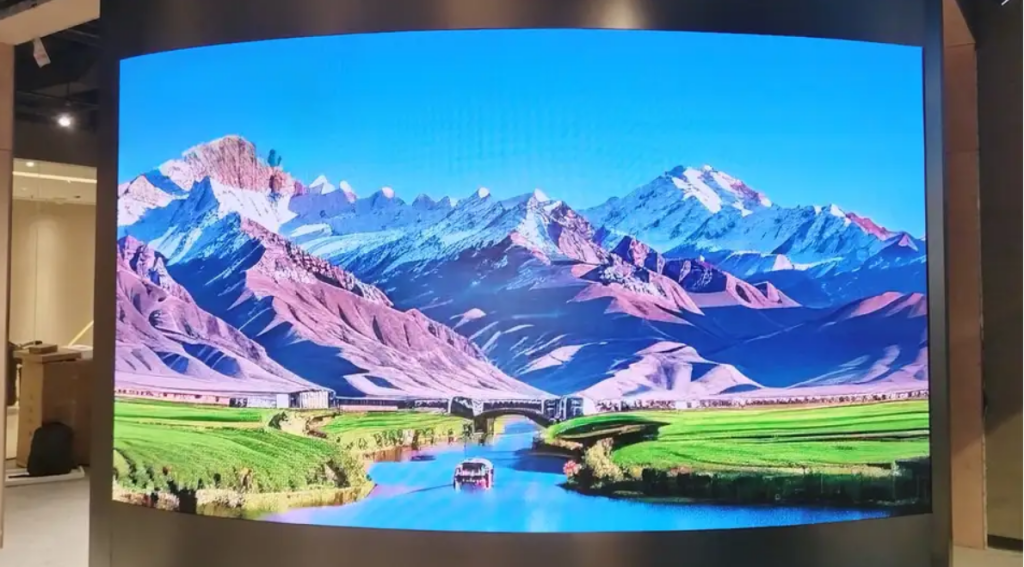
Unlocking Space Value: Innovative Applications of LED Display Technology
Would you like to discover LED display applications in various industries?
LED displays have emerged as vital tools for enhancing communication and engagement, offering vibrant visuals and real-time information. Understanding these applications is essential for businesses looking to captivate their audiences and improve their brand presence.
In this article, I’ll explore the diverse LED display applications across sectors such as retail, healthcare, entertainment, and more. We’ll examine how these displays can elevate user experiences and drive engagement in ways traditional signage simply cannot.
What is an LED Display?
LED displays are advanced visual technology that utilizes light-emitting diodes (LEDs) to create bright, high-resolution images and videos. Unlike traditional display technologies, LED displays offer superior brightness, color accuracy, and energy efficiency, making them ideal for various applications.
They can be configured in different sizes and shapes, allowing for flexibility in installation, whether indoors or outdoors. With their ability to deliver dynamic content, LED displays have become a popular choice for businesses seeking to capture attention and engage audiences effectively.
These displays are commonly used in a wide range of settings, from advertising billboards and sports arenas to corporate environments and retail spaces.
As technology continues to evolve, the applications of LED displays are expanding, providing innovative solutions for visual storytelling and audience engagement.
Here we’ll explore 20 major application scenarios of LED displays, detailing their typical installation locations, technical advantages, and unique characteristics in each sector.
Sports Stadiums
Application Overview
In sports venues, the demands on display technology are extremely high—requiring not only exceptional brightness and wide viewing angles but also ultra-high refresh rates to capture every thrilling moment.
LED displays have become an essential component in stadiums and arenas, serving multiple functions: live broadcast of the game, instant score updates, real-time clock displays, dynamic advertising, and even ultra-slow-motion replays from multiple camera angles.
For example, English Premier League stadiums commonly use P4mm fine-pitch LED perimeter advertising boards. These dynamic signs have been documented to increase advertising revenue by up to 30%, as the vivid moving content captures both live and television audiences. In the NBA, venues like the Golden State Warriors’ Chase Center feature custom curved screens, enveloping the audience in the action and enhancing immersion.

Main Installation Locations:
- Football field perimeters
- Basketball arena center-hung displays
- Swimming pool timing areas
- Stadium entrance lobbies
Advantages and Features
- Ultra-High Brightness and Refresh Rate: Whether under bright stadium lights or outdoor sunlight, LED screens offer superior visibility. Indoor screens often require a refresh rate ≥3840Hz to ensure smooth video and prevent moiré effects on TV broadcasts.
- Durability: Outdoor stadium screens are built to IP65 waterproof standards, ensuring uninterrupted operation in all weather conditions.
- Real-Time and Flexible Content: From live feeds to instant replays (e.g., tennis Hawk-Eye systems), LEDs enable unparalleled flexibility.
- Revenue Generation: Dynamic advertising content adapts to audience demographics and events, maximizing sponsorship value.
- Immersive Experience: Custom shapes and curved installations wrap fans in the visual spectacle, making every seat the best seat.
Typical Installation Examples
- Football fields: Perimeter boards, main scoreboards.
- Basketball arenas: Center-hung displays, ribbon boards around seating.
- Swimming pools: Timing and results panels.
- Entrances: Branding and information screens.
Transportation Hub Information Screens
Application Overview
Transportation hubs are among the most demanding environments for display technology. They operate 24/7, must be readable from wide angles and distances, and must withstand constant environmental stresses.
LED displays excel here, providing travelers with up-to-the-minute information on schedules, delays, directions, and emergency alerts.
At Beijing Daxing International Airport, curved LED navigation screens have been shown to reduce passenger wayfinding times by 40%. Airports typically use P2.5 indoor full-color displays for flight information, with support for multi-language switching.
Subway platforms often deploy elongated bar-type screens to scroll arrival times and service updates. These screens automatically adjust their brightness (300~1500 nits) to match ambient light, ensuring clear visibility day and night.

Main Installation Locations:
- Airport check-in halls
- Subway platform ceilings
- High-speed rail ticket counters
- Bus stop shelters
Advantages and Features
- Longevity and Reliability: LED screens boast lifespans exceeding 100,000 hours, with minimal maintenance—crucial for 24/7 operations.
- Wide Viewing Angle: 160° horizontal/vertical visibility ensures information is accessible from almost any point in a bustling terminal.
- Environmental Adaptability: Automatic brightness adjustment and robust enclosures resist dust, humidity, and vandalism.
- Content Flexibility: Multi-language support and real-time data integration enhance accessibility for international travelers.
- Space Efficiency: Slim, curved, or bar-type screens can be fitted to tight or unconventional spaces.
Retail Mall Advertising
Application Overview
In retail environments, catching the customer’s eye is everything. LED displays are the new centerpiece of shopping malls and flagship stores, replacing static posters with dynamic, interactive experiences.
Whether it’s a transparent LED glass screen in Tokyo’s Ginza district (with 70% light transmission) or flexible screens in Walmart’s fresh produce area, LEDs transform retail spaces into immersive, high-conversion environments.

Main Installation Locations:
- Atrium columns
- Elevator lobbies
- Storefront windows
- Underground parking corridors
Advantages and Features
- High Engagement: Vivid motion graphics and interactivity boost foot traffic and conversion rates.
- Transparency and Flexibility: New transparent and flexible LED technologies allow for creative installations that do not obscure store interiors.
- Data-Driven Content: Real-time updates, targeted promotions, and supply chain transparency drive both sales and trust.
- Durability: Retail screens are built to withstand high foot traffic, accidental impacts, and frequent cleaning.
- Cost-Effectiveness: Digital content reduces the need for printed materials and enables instant campaign changes.
Typical Installation Examples
- Mall atriums: Large-format feature screens, pillar wraps.
- Store entrance: Free Standing LED poster Screen
- Elevator lobbies: Directional and promotional displays.
- Store windows: Transparent or semi-transparent screens.
- Parking corridors: Wayfinding and safety information.
Stage and Performing Arts Backgrounds
Application Overview
The performing arts are increasingly powered by LED technology, as stages and live event venues seek to create visually stunning, dynamic environments.
LEDs enable backdrops that can change instantaneously, eliminate the need for costly and bulky physical sets, and synchronize perfectly with lighting and sound for immersive multimedia performances.

At the 2023 Coachella Valley Music and Arts Festival, a staggering 5,000㎡ of LED floor screens delivered interactive light effects triggered by performers’ movements. In prestigious theaters like London’s West End, motorized LED modules allow scene changes in seconds—something physical sets could never achieve.
Main Installation Locations:
- Mall atriums: Large-format feature screens, pillar wraps.
- Store entrance: Free Standing LED poster Screen
- Elevator lobbies: Directional and promotional displays.
- Store windows: Transparent or semi-transparent screens.
- Parking corridors: Wayfinding and safety information.
Advantages and Features
- High Resolution and Responsiveness: Fine-pitch screens (P1.8-P2.5) provide crisp visuals with response times as low as 1ms, crucial for fast-paced shows.
- Versatile Content: Easily switch between scenic backdrops, special effects, and live video feeds.
- Cost and Labor Savings: Digital sets cut down on labor, storage, and transport costs for physical scenery.
- Interactivity: Floors and walls can respond to performers, audience cues, or music, elevating the spectacle.
- Unlimited Creativity: Modular, curved, or even floor-based installations unlock new artistic possibilities.
Typical Installation Examples
- Concerts: Main and side stages, interactive floors, video walls.
- Theaters: Backdrops, side wings, ceiling screens.
- Festivals: Stage surrounds, audience engagement zones.
- Award shows: Dynamic floors, nominee highlights.
Corporate Showrooms
Application Overview
Corporate showrooms are more than just spaces—they are storytelling hubs where brands showcase their innovation, culture, and achievements. LED displays enable immersive, interactive, and high-impact presentations that leave a lasting impression on clients and partners.

Main Installation Locations:
- Company lobby feature walls
- Product experience zones
- Conference room partitions
- Company history corridors
Advantages and Features
- Ultra-Fine Resolution: fine-pitch LED screens deliver lifelike, detailed visuals.
- Brand Customization: Custom shapes and interactive content reinforce brand story and innovation.
- Seamless Integration: Screens blend into architecture, serving as functional art.
- Interactivity: Touch-enabled displays and real-time data feeds engage visitors.
- Centralized Content Management: Companies can update content across multiple screens instantly, ensuring consistency.
Typical Installation Examples
- Lobby: Feature walls, welcome messages, mission statements.
- Product zones: Interactive demos, real-time dashboards.
- Conference rooms: Partition screens for presentations and collaboration.
- Hallways: Timelines, awards, and milestones.
Educational Institution Information Display
Application Overview
LED displays in educational institutions serve as a vital communication tool. They provide real-time updates on schedules, events, and announcements, enhancing the learning environment. For instance, Tsinghua University employs P1.25 indoor screens across campus to disseminate information about classes, lectures, and events through a centralized content management system.

Main Installation Locations:
- School auditorium main screens
- Library announcement boards
- Hallways of educational buildings
- Cafeteria serving areas
Advantages and Features
- Centralized Control: Content can be easily managed and updated from a single system, ensuring consistency across displays.
- Eye-Catching Visuals: Bright, dynamic content captures students’ attention, promoting engagement.
- Cost-Effective Communication: Reduces the need for printed materials, lowering costs and environmental impact.
- Emergency Alerts: Capable of broadcasting urgent messages, such as evacuation instructions or lockdown procedures.
- Multi-Purpose Use: Displays can be used for educational content, promoting events, and showcasing student achievements.
Healthcare Wayfinding
Application Overview
In healthcare settings, LED displays assist in patient navigation and information dissemination. For example, Beijing Union Medical College Hospital utilizes P2.5 wall-mounted screens to display real-time registration queues, helping to reduce patient anxiety and streamline the process.
For more information about the LED screen installed in the hospital, check here.

Main Installation Locations:
- Hospital main lobbies
- Pharmacy pick-up areas
- Patient waiting rooms
- Examination room doors
Advantages and Features
- User-Friendly Interface: Touchscreen options can guide patients through complex hospital layouts.
- Real-Time Updates: Displays provide live information, reducing wait times and improving patient flow.
- Durable and Cleanable: Designed to withstand frequent cleaning, crucial for maintaining hygiene in healthcare environments.
- Multi-Language Support: Accommodates diverse populations, enhancing accessibility.
- Emergency Notifications: Can serve as a platform for urgent health alerts and safety instructions.
Religious Venues
Application Overview
LED displays in religious venues enhance the worship experience by displaying scriptures, hymns, and event information. For instance, many churches use LED screens to project songs and verses, allowing congregants to engage more fully with services.

Main Installation Locations:
- Behind altars in churches
- Sides of main halls in temples
- Mosque prayer direction walls
- Temporary stages for religious festivals
Advantages and Features
- Cultural Sensitivity: Custom designs can reflect the aesthetics of religious settings while providing essential information.
- Visibility: High brightness ensures readability from long distances, accommodating large congregations.
- Multi-Language Display: Supports diverse communities by displaying translations of texts or announcements.
- Flexible Content: Easily updated for different events, sermons, and seasonal messages.
- Increased Participation: Engaging visuals can enhance the overall worship experience, inviting greater participation.
Smart City Security
Application Overview
Smart city initiatives leverage LED displays for public safety and security. In Shenzhen, traffic departments use P6 outdoor screens to display real-time violations and alerts, helping to improve compliance and reduce accidents.

Main Installation Locations:
- Intersection traffic light poles
- Emergency command centers
- Community entrance points
- Highway tunnels
Advantages and Features
- Real-Time Monitoring: Displays can showcase live feeds from security cameras and alert citizens to emergencies.
- Durability: Designed to withstand harsh weather conditions while maintaining functionality.
- Flexible Content Management: Capable of displaying various information, from traffic updates to public safety announcements.
- Integration with AI: Can work alongside AI systems to provide data-driven insights for law enforcement.
- Community Engagement: Enables cities to share important information with residents quickly, fostering a sense of safety.
Esports Arenas
Application Overview
In the rapidly growing esports industry, LED displays are crucial for enhancing the viewer experience. Events like the League of Legends World Championship utilize massive LED walls to broadcast games, player stats, and dynamic graphics, captivating both live and online audiences.

Main Installation Locations:
- Main stage displays in esports arenas
- Player area monitors
- Audience engagement screens
- Broadcasting booths
Advantages and Features
- High Refresh Rate: Essential for fast-paced gaming to ensure smooth visuals and reduce lag.
- Immersive Experience: Large, vibrant displays create an engaging atmosphere for spectators.
- Real-Time Interaction: Allows for instant updates and interactions with fans during live streams.
- Customizable Content: Easily switch between gameplay, advertisements, and audience engagement activities.
- Data Visualization: Can display real-time analytics and player stats, enhancing viewer understanding.
Restaurant Dynamic Menu Boards
Application Overview
In the restaurant, LED displays are transforming menus into dynamic, engaging platforms. McDonald’s employs P2.5 screens that automatically adjust pricing based on the time of day, optimizing sales during peak hours.

Main Installation Locations:
- Above cashier stations in fast food outlets
- Background walls in dining areas
- Drive-thru menus
- Central columns in food courts
Advantages and Features
- Dynamic Pricing: Can reflect changes in menu items and prices in real-time, maximizing revenue.
- Visual Appeal: High-resolution displays enhance food presentation and attract customers.
- Multi-Language Support: Accommodates international customers, improving service efficiency.
- Nutritional Information: Displays can provide health information, catering to health-conscious consumers.
- Integration with Kitchen Systems: Automatically updates sold-out items, reducing customer complaints.
Virtual Film Production (XR Stage)
Application Overview
Virtual production using LED displays is revolutionizing filmmaking by replacing traditional green screens with high-resolution LED panels. This technology, used in productions like Disney’s “The Mandalorian,” allows filmmakers to create immersive backgrounds in real-time.

Main Installation Locations:
- Hollywood soundstages
- Television studios
- Advertising shoot locations
- Metaverse virtual environments
Advantages and Features
- Real-Time Rendering: Enables immediate adjustments to backgrounds, saving time in post-production.
- Enhanced Visual Fidelity: Provides authentic lighting and reflections on actors, enhancing realism.
- Cost Efficiency: Reduces the need for extensive location shoots and complicated set designs.
- Dynamic Backgrounds: Filmmakers can switch environments seamlessly during filming.
- Interactive Capabilities: Allows for live audience interaction and engagement during shoots.
Automotive 4S Dealerships
Application Overview
In automotive showrooms, LED displays play a crucial role in showcasing vehicles and enhancing customer experience. For example, BYD uses transparent LED screens to display engine mechanics alongside physical cars, drawing in potential buyers.

Main Installation Locations:
- Showroom reception areas
- Model configuration zones
- Service department viewing areas
- Test drive route signage
Advantages and Features
- Interactive Displays: Touch-enabled screens allow customers to customize vehicle options in real-time.
- High Transparency and Brightness: Transparent screens maintain visibility while displaying dynamic content.
- Enhanced Customer Engagement: Captivating visuals increase the likelihood of vehicle purchases.
- Real-Time Updates: Displays can showcase promotions, new arrivals, and service updates.
- Durability: Built to withstand high traffic and environmental factors in showrooms.
Museum Exhibitions
Application Overview
LED displays enhance the visitor experience in museums by providing interactive and engaging content. The British Museum, for instance, uses P1.2 screens to overlay augmented reality features on artifacts, allowing visitors to explore their history in depth.
Main Installation Locations:
- Embedded in display cases
- Exhibition hall walls
- Interactive education corners
- Special event areas
Advantages and Features
- Interactive Learning: Visitors can engage with exhibits through touchscreens and AR applications.
- Dynamic Content Display: Easily updated with new information and exhibits, keeping content fresh and relevant.
- Preservation of Artifacts: Reduced handling of physical items minimizes wear and tear.
- Enhanced Visitor Experience: Engaging visuals and interactive elements increase visitor dwell time.
- Multi-Language Support: Accommodates diverse visitors by offering information in various languages.
More information about LED screen for museum, check here.
Hotel Scene Systems
Application Overview
LED displays in hotels facilitate stunning visual transformations for various events. For instance, the Burj Al Arab in Dubai uses P2.0 modular screens to create immersive environments for weddings and corporate functions, allowing for quick scene changes.
Main Installation Locations:
- Main stage backgrounds
- Partition walls in banquet rooms
- Elevator lobbies
- Wedding and event venues
Advantages and Features
- Seamless Scene Changes: Can transition between different themes and settings in minutes.
- High Customization: Offers unique designs tailored to individual events, enhancing guest experiences.
- Interactive Features: Guests can engage with displays for information about events or services.
- Cost-Effective: Eliminates the need for physical decorations and props, reducing setup costs.
- Enhanced Ambiance: Dynamic visuals contribute to a more engaging atmosphere for events.
Luxury Cruise Ship Entertainment
Application Overview
LED displays on cruise ships enhance onboard entertainment experiences. The Royal Caribbean’s “Wonder of the Seas” features P2.5 screens for outdoor movie screenings and interactive games, enriching passenger engagement.

Main Installation Locations:
- Open-air cinemas on decks
- Casino ceilings
- Theaters and performance stages
- Spa area ceilings
Advantages and Features
- Weather Resistance: Designed to operate in varying weather conditions without performance loss.
- High-Impact Visuals: Creates vibrant displays that captivate audiences during shows and events.
- Interactive Entertainment: Passengers can engage with games and activities via touchscreens.
- Flexible Content: Easily switch between movies, live events, and advertisements.
- Increased Revenue: Enhanced entertainment options can lead to higher onboard spending.
Conference Room Displays
Application Overview
LED displays are essential in conference rooms, providing clear visuals for presentations, video conferences, and collaborative discussions. They facilitate seamless communication by displaying high-quality images and data, making it easier for teams to share ideas and make decisions.

Many companies utilize large-format LED screens to enhance their meeting experiences, ensuring that all participants can view content effortlessly.
Main Installation Locations:
- Corporate conference rooms
- Meeting spaces
- Boardrooms
- Training facilities
Advantages and Features
- High Resolution: Offers sharp images and text, ensuring clarity during presentations and discussions.
- Wide Viewing Angles: Allows all attendees, regardless of their position in the room, to see the content clearly.
- Interactive Capabilities: Many LED displays support touch functionality, enabling collaborative interactions and real-time editing of documents.
- Integration with Technology: Easily connects with various devices, such as laptops and smartphones, for streamlined presentations.
- Energy Efficiency: LED technology consumes less power, making it a sustainable choice for long meeting hours.
Monitor Room Displays
Application Overview
LED displays are critical in monitor rooms, where real-time data visualization and surveillance are essential. These displays provide large, high-resolution screens that allow operators to monitor multiple feeds simultaneously, whether for security, traffic control, or data analysis.

By utilizing LED technology, organizations can ensure that vital information is presented clearly and effectively.
Main Installation Locations
- Control rooms
- Security monitoring centers
- Traffic management facilities
- Data analysis hubs
Advantages and Features
- High Brightness: Ensures visibility in various lighting conditions, making it ideal for 24/7 operations.
- Multi-Source Integration: Capable of displaying inputs from different sources simultaneously, enhancing situational awareness.
- Durability: Designed for continuous use, with robust construction to withstand the demands of a busy monitor room.
- Scalability: Easily expandable to accommodate growing monitoring needs, allowing for larger setups as required.
- Real-Time Updates: Supports live data feeds, enabling quick responses to incidents and efficient decision-making.
TV Studio Displays
Application Overview
LED displays play a vital role in TV studios, enhancing the visual quality of broadcasts and providing dynamic backgrounds for various programs. They are used to showcase graphics, video feeds, and live updates, creating an immersive viewing experience for audiences.

TV studios utilize high-resolution LED screens to ensure that every detail is captured, whether for news, entertainment, or live events.
Main Installation Locations
- Broadcast studios
- Newsrooms
- Set design areas
- Control rooms
Advantages and Features
- Exceptional Clarity: Provides high-resolution imagery that enhances the quality of broadcasts, ensuring crisp visuals.
- Dynamic Backgrounds: Capable of creating engaging and customizable backdrops that can be changed in real-time during broadcasts.
- Wide Color Range: Offers vibrant colors and deep contrasts, improving visual appeal and viewer engagement.
- Seamless Integration: Easily integrates with broadcasting equipment and software for smooth operation.
- Reduced Glare: Designed to minimize reflections and glare, ensuring that on-screen content is easily viewable under studio lights.
Home Theater Displays
Application Overview
LED displays are a popular choice for home theaters, providing an immersive viewing experience for movies, sports, and gaming. With their vibrant colors and high contrast ratios, LED displays enhance picture quality, making them ideal for enjoying high-definition content in a home setting.

Home theater enthusiasts often choose large-format displays to create a cinematic atmosphere.
Main Installation Locations
- Residential living rooms
- Dedicated home theater rooms
- Media rooms
- Outdoor entertainment areas
Advantages and Features
- Exceptional Picture Quality: Provides high resolution and dynamic range, delivering stunning visuals for an immersive experience.
- Wide Viewing Angles: Ensures that all viewers can enjoy a clear image, regardless of their seating position.
- Smart Features: Many LED displays come equipped with smart technology, allowing access to streaming services and apps directly from the screen.
- Low Input Lag: Ideal for gaming, offering quick response times for a seamless gaming experience.
- Energy Efficiency: Consumes less power compared to traditional display technologies, making it a cost-effective choice for long viewing sessions.
- Ultra high Pixel Density: Support 2K,4K,8K, UHD display.
Conclusion
In this post, we have explored a wide range of LED display applications across various industries, highlighting their versatility and effectiveness. From enhancing communication in conference rooms to providing real-time information in transportation hubs, LED displays are transforming the way we interact with visual content.