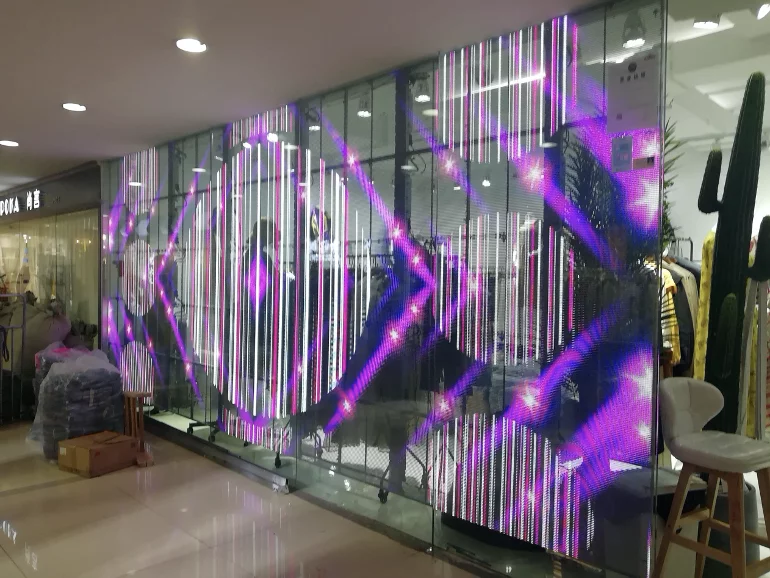
Gain a deeper understanding of what transparent LED screens are
A transparent LED screen has become one of the most discussed display solutions in the global market, especially for brands, distributors, and project integrators who need high-impact visual communication without blocking natural light or interior visibility. Many buyers search for a clear explanation of what this technology is, how it works, and whether it genuinely offers commercial value. This article answers these questions in detail. The rapid growth of transparent LED screens comes from the demand for modern retail environments, architectural façades, corporate displays, and high-end exhibitions. These scenarios require displays that remain visually striking yet minimally intrusive. You will gain a complete understanding of the technology, its advantages, and practical purchasing considerations based on real industry facts.
What Is a Transparent LED Screen?
A transparent LED screen is a digital display that delivers clear, vivid content while allowing light and visibility to pass through the structure. A transparent LED display works like a conventional LED screen but uses special structural design and light-transmission technology to maintain high transparency. This makes it suitable for storefront windows, glass walls, commercial buildings, stage design, and creative installations that cannot block visibility.
A transparent LED screen uses LED lamp beads arranged on a light, grid-like module. This design creates a see-through effect and significantly reduces visual obstruction. Most products maintain 60–90% transparency depending on pixel pitch, LED arrangement, and module thickness. Its unique design allows businesses to present high-impact advertisements while keeping the environment open and visually comfortable.
When used in retail, exhibitions, transportation hubs, and architectural spaces, the screen blends into the environment instead of overwhelming it. Many businesses choose transparent LED screens when they need to maximize commercial value without interfering with interior lighting, window displays, or natural views.

The Technology of LED Transparent Screen
A transparent LED screen relies on a combination of lightweight materials, high-efficiency LED diodes, and optimized structural spacing to achieve both display performance and transparency. The technology aims to balance brightness, resolution, and optical visibility while reducing the weight and thickness of the display. Its core components include ultra-narrow PCB boards, side-emitting LEDs, high-transparency modules, and a control system optimized for content clarity.
Manufacturers design the module layout to minimize blocking surfaces. This involves adjusting LED arrangement, widening gaps between strips, and using thin materials to support the structure. The control system processes video signals and synchronizes them across the transparent modules, ensuring accurate color reproduction and smooth motion. These technological choices directly influence brightness, transparency, and energy efficiency.
In recent years, improvements in LED packaging, PCB materials, and lightweight film substrates have dramatically increased the transparency and flexibility of products. Industry standards such as CE, RoHS, and FCC govern safety and electromagnetic compatibility, ensuring stable long-term performance for global deployment.
Transparency Technology
Transparency technology controls how much visible light can pass through the spaces between LED strips or film layers. Manufacturers adjust spacing, LED orientation, and substrate materials to reach higher transparency without reducing display quality. The level of transparency typically ranges from 60% to 95%.
A transparent LED display achieves transparency by reducing non-essential covering materials. Instead of using full LED panels, the modules feature open areas where viewers can see through the screen. With side-emitting LED packaging, light output is directed forward, keeping the back side transparent. This structure also reduces screen weight and wind resistance, which is important for architectural applications.
Many premium products include micro-spaced PCB strips and optical-grade transparent film, improving visibility while maintaining structural durability. When these elements work together, the viewer perceives the content clearly from the front while still seeing the environment behind the screen.

How Does the Transparent LED Screen Work?
A transparent LED screen displays content through thousands of LED diodes mounted on a semi-open module structure. It works by receiving image signals from a video processor, converting them into control instructions, and lighting individual LED diodes to form images while maintaining visibility through the gaps. The display shows text, images, and videos like a standard LED screen but uses transparent modules to preserve a see-through effect.
The core workflow includes content processing, signal transmission, LED light output, and brightness control. A high-quality control system ensures that each LED responds quickly and accurately. Side-emitting LEDs generate light that travels forward, reducing blockages. The lightweight grid or film substrate allows natural light to travel through, keeping glass surfaces from becoming visually closed off.
A transparent LED display also adjusts brightness based on environmental conditions. Outdoor-oriented models may reach 4000–6000 nits, ensuring visibility even in daylight. Indoor versions typically operate at 800–1500 nits. The combination of transparency, LED brightness, and optical clarity makes these screens suitable for commercial environments that rely on both daylight and advertising visibility.

Why Transparent LED Displays Are So Popular?
Transparent LED displays have gained rapid adoption because they provide visual impact without sacrificing architectural aesthetics. Brands prefer transparent LED screens because they deliver high-brightness content while keeping glass windows and indoor environments open and appealing. This balance between marketing value and spatial design makes them suitable for premium retail, showrooms, building façades, and experience-driven installations.
These displays reduce the need for traditional posters or solid LED panels that block visibility. Markets such as luxury retail, automotive showrooms, and airport terminals increasingly use transparent LED technologies. According to publicly available industry data from Statista and other market research agencies, global demand for LED display solutions, including transparent LED screens, continues to rise due to urban retail development and digital signage expansion.
Buyers choose transparent screens because they are lightweight, energy-efficient, and easy to integrate with existing glass surfaces. Their design also minimizes structural load, which lowers installation requirements. When installed on windows, they maintain the building’s architecture while enabling dynamic advertising that attracts customer attention.
Transparent LED Screen Types
Transparent LED displays come in multiple formats depending on structure, transparency, installation method, and application. Understanding the options helps buyers choose the solution that fits their environment, content requirements, and long-term plans. Each type addresses specific commercial scenarios where visibility, brightness, and weight must be balanced carefully.
Common types include glass-mounted LED screens, film-based transparent displays, fixed installation transparent panels, and rental-ready structures. Buyers should consider environmental conditions, installation surfaces, brightness needs, and viewing distance when choosing a type. The table below offers a clear comparison to guide selection.
Common Transparent LED Screen Types
| Screen Type | Key Features | Best Applications |
| Glass-mounted LED screen | Mounted directly on glass; high brightness | Retail windows, shopping malls |
| Film transparent display | Ultra-light, flexible, high transparency | Architectural glass, indoor branding |
| Fixed transparent LED panel | Strong structure; customizable sizes | Building façades, indoor atriums |
| Rental transparent LED screen | Fast setup; modular design | Events, stages, exhibitions |
Buyers should also evaluate maintenance access, pixel pitch, environmental protections, and compatibility with content management systems. These factors influence installation complexity, long-term stability, and total cost of ownership.

Conclusion
A transparent LED screen provides strong commercial value for businesses seeking high-impact content without blocking visibility or altering the architectural environment. By understanding how the technology works and comparing different transparent LED types, buyers can choose a solution that balances transparency, brightness, design, and cost efficiency. Transparent LED displays continue to rise in popularity as more retailers, brands, and developers adopt modern visual communication methods.